.gilda
.what we offer
CREATIVE
DEVELOPMENT
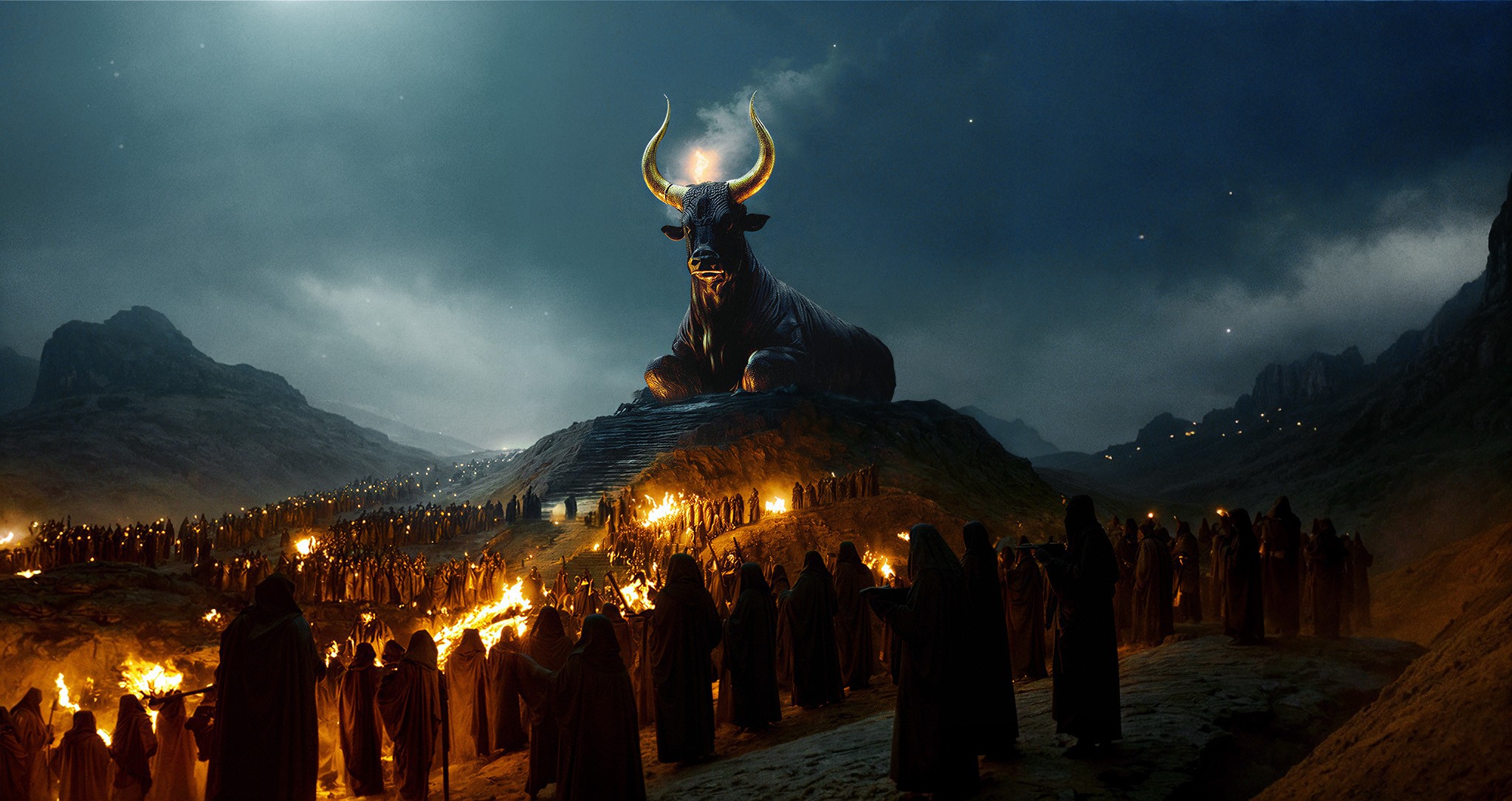
You have an idea, a synopsis, or a script treatment — we build a world from it. Characters, locations, atmosphere, visual principles, narrative turns. We don’t just make pictures — we think alongside you about how the story works visually. The format is flexible: we can take just a synopsis and develop everything from scratch, or join at any intermediate stage — from a task list to finished briefs.
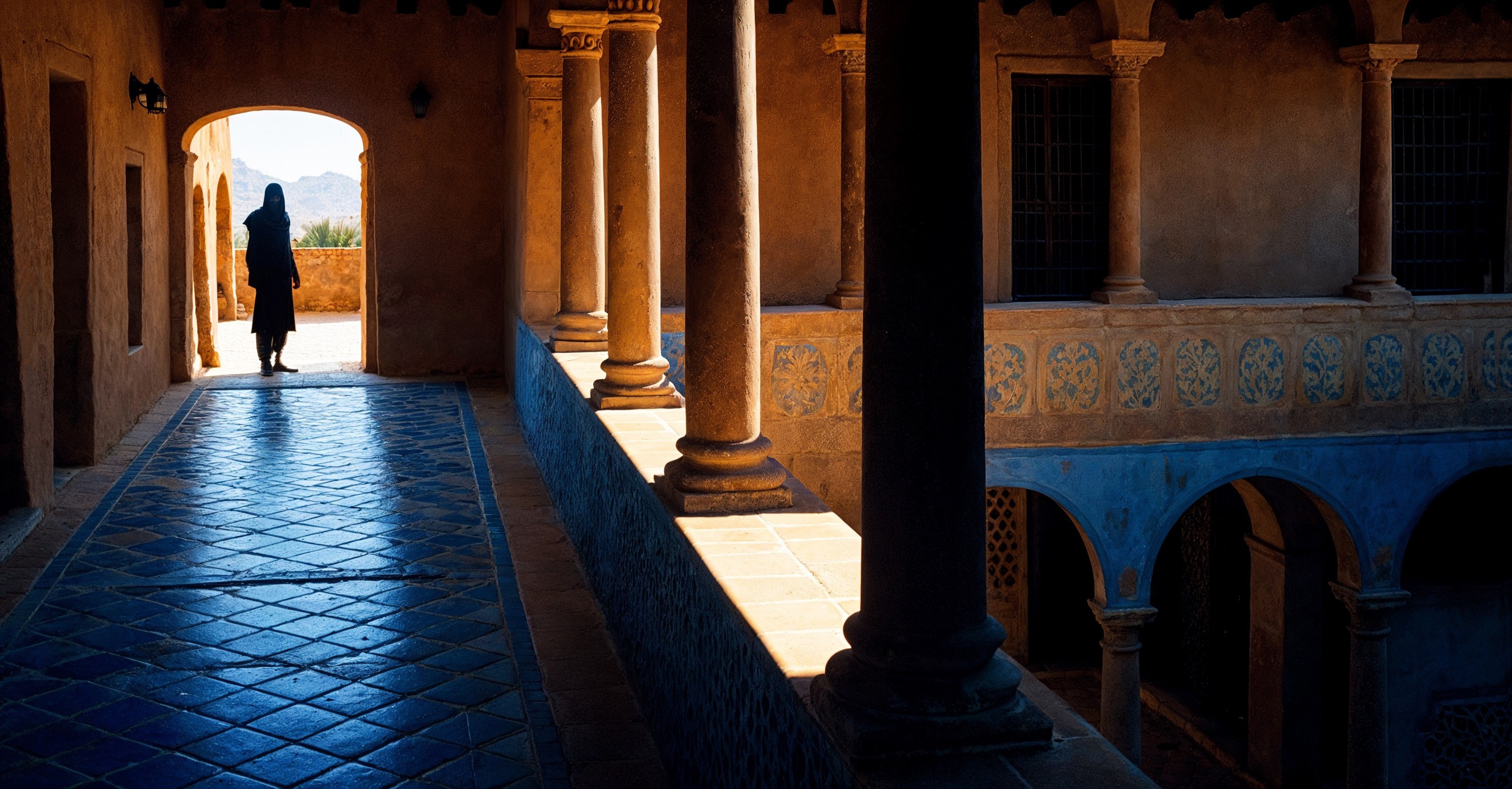
You already know what you need — we need a brief. We produce artwork in the required style: characters, locations, scenes, concepts. Fast, controlled, in a unified visual language.
ARTWORK
ON BRIEF
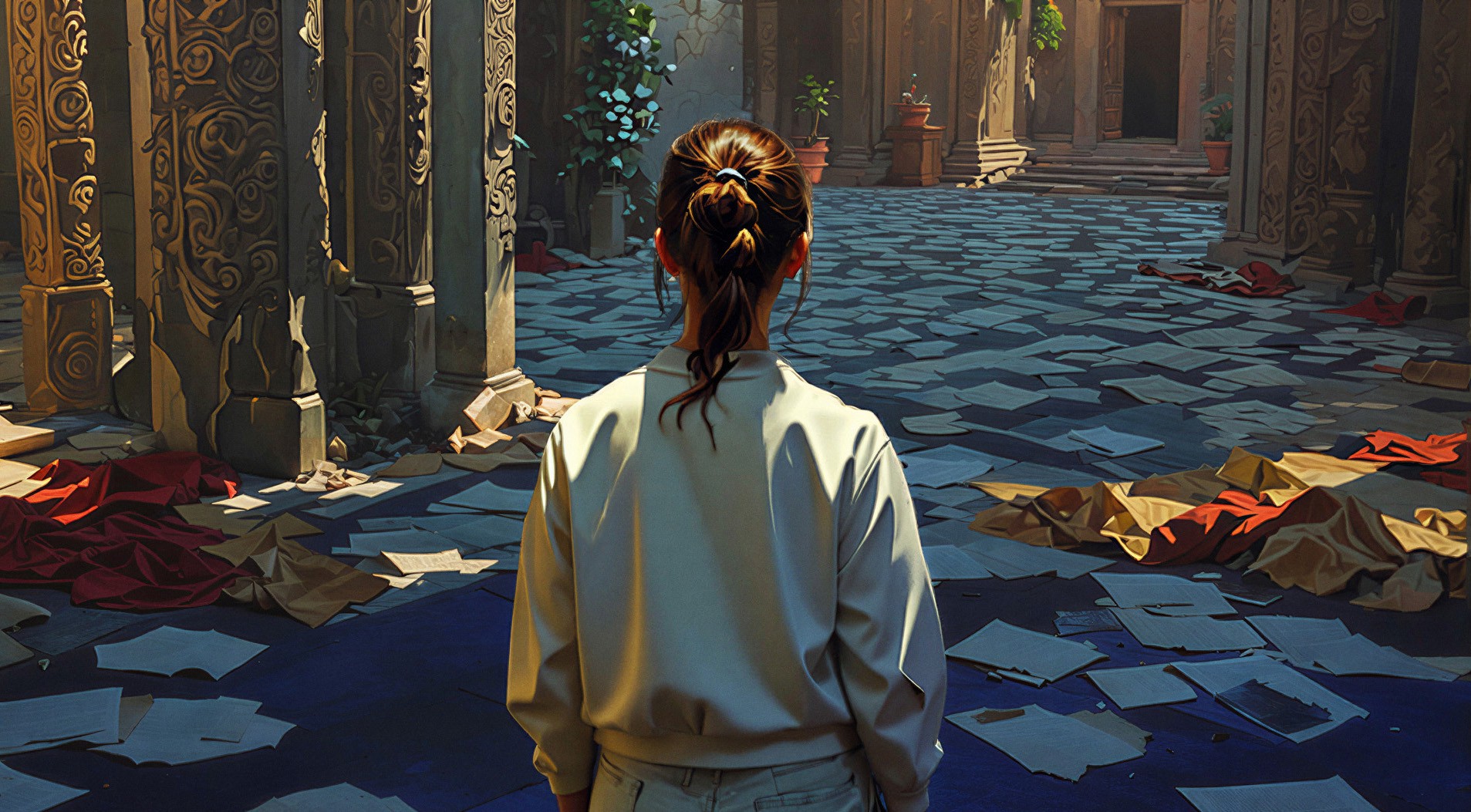
We build a custom AI tool tailored to your project’s specifics and train your artists to work with it. Not a superficial prompting workshop — deep pipeline integration. Your team gains a multiplier of their capabilities and remains independent.
A TOOL
FOR YOUR TEAM
.characters
from Sketch
to character
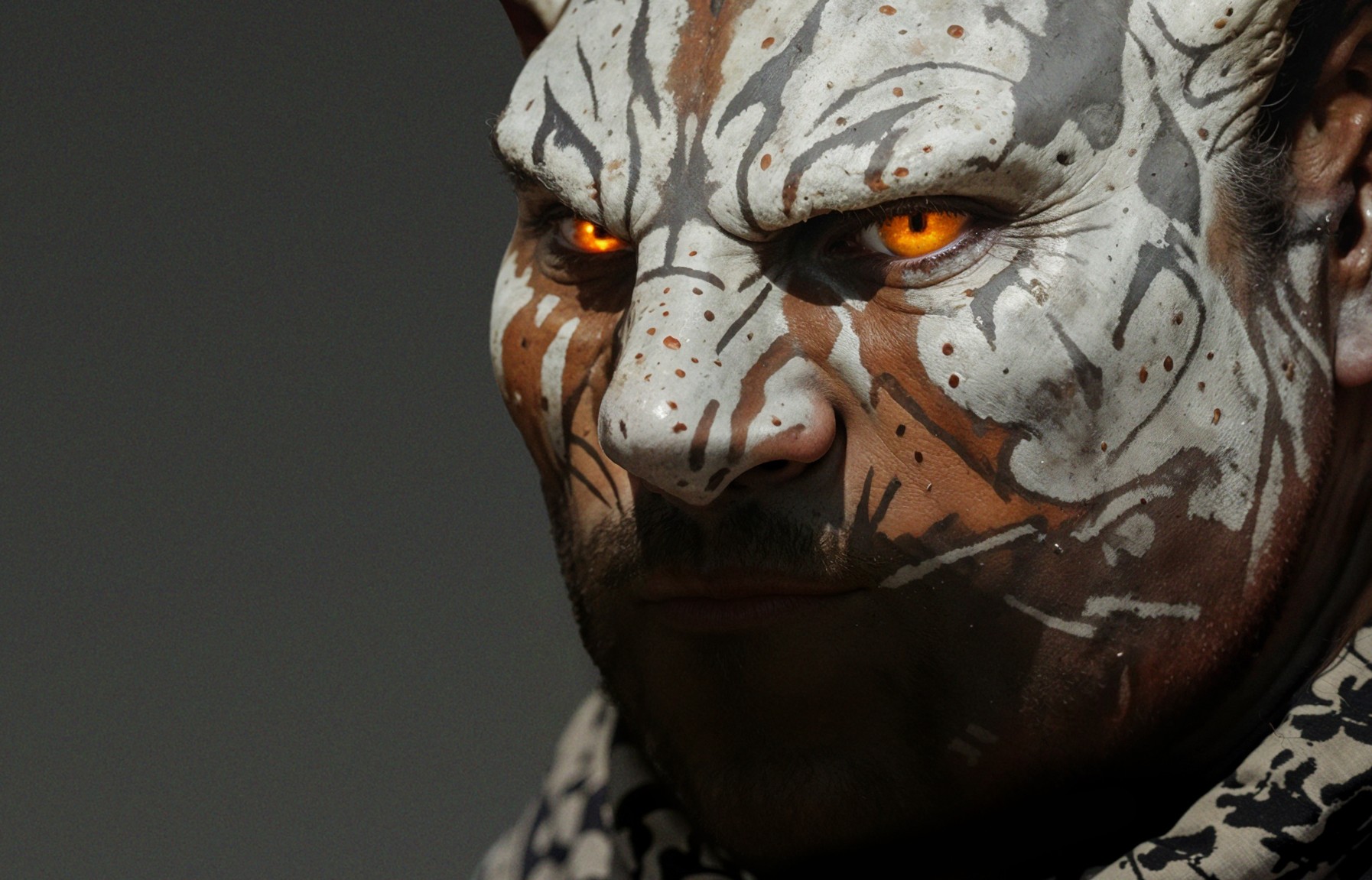
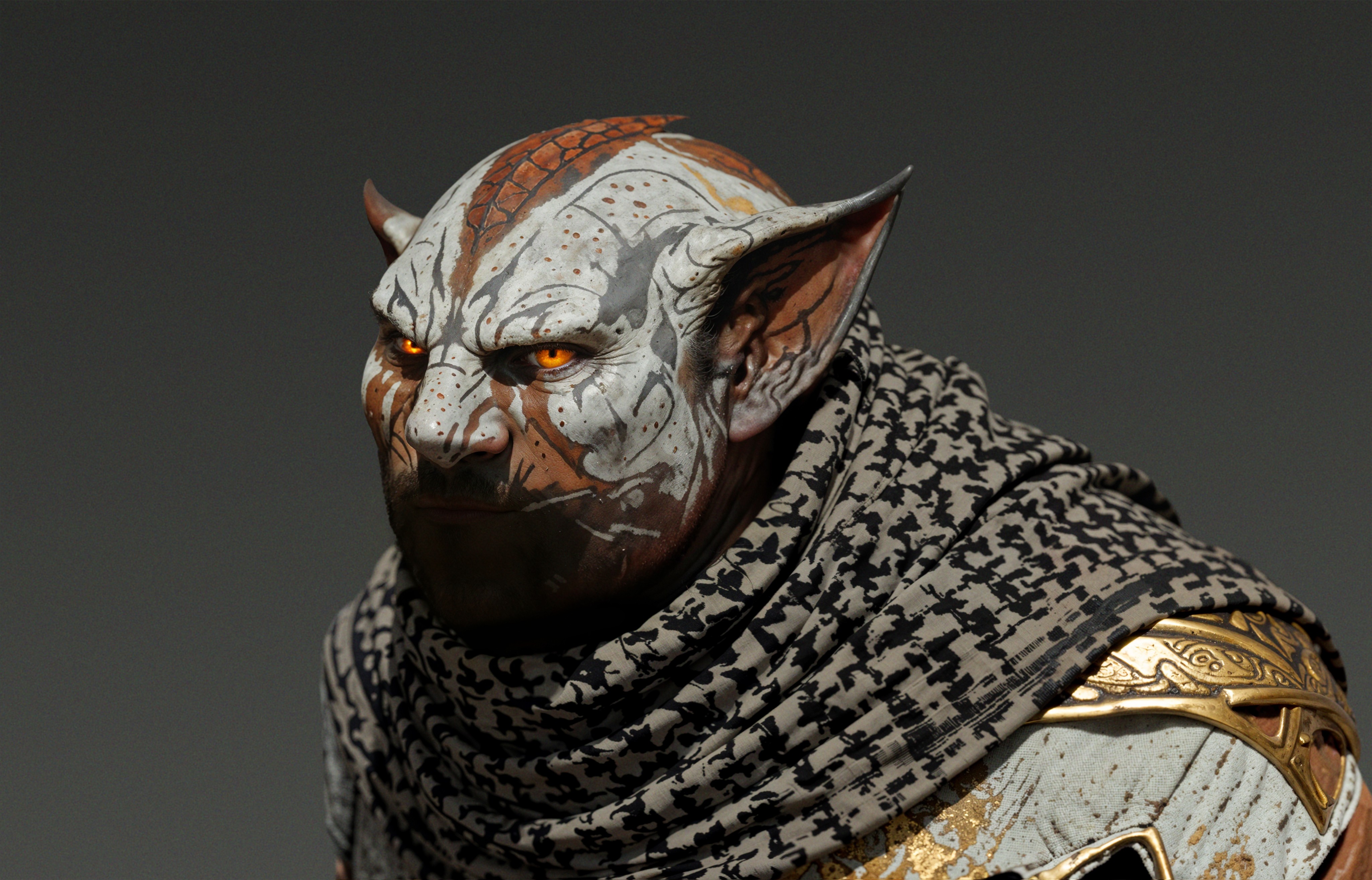
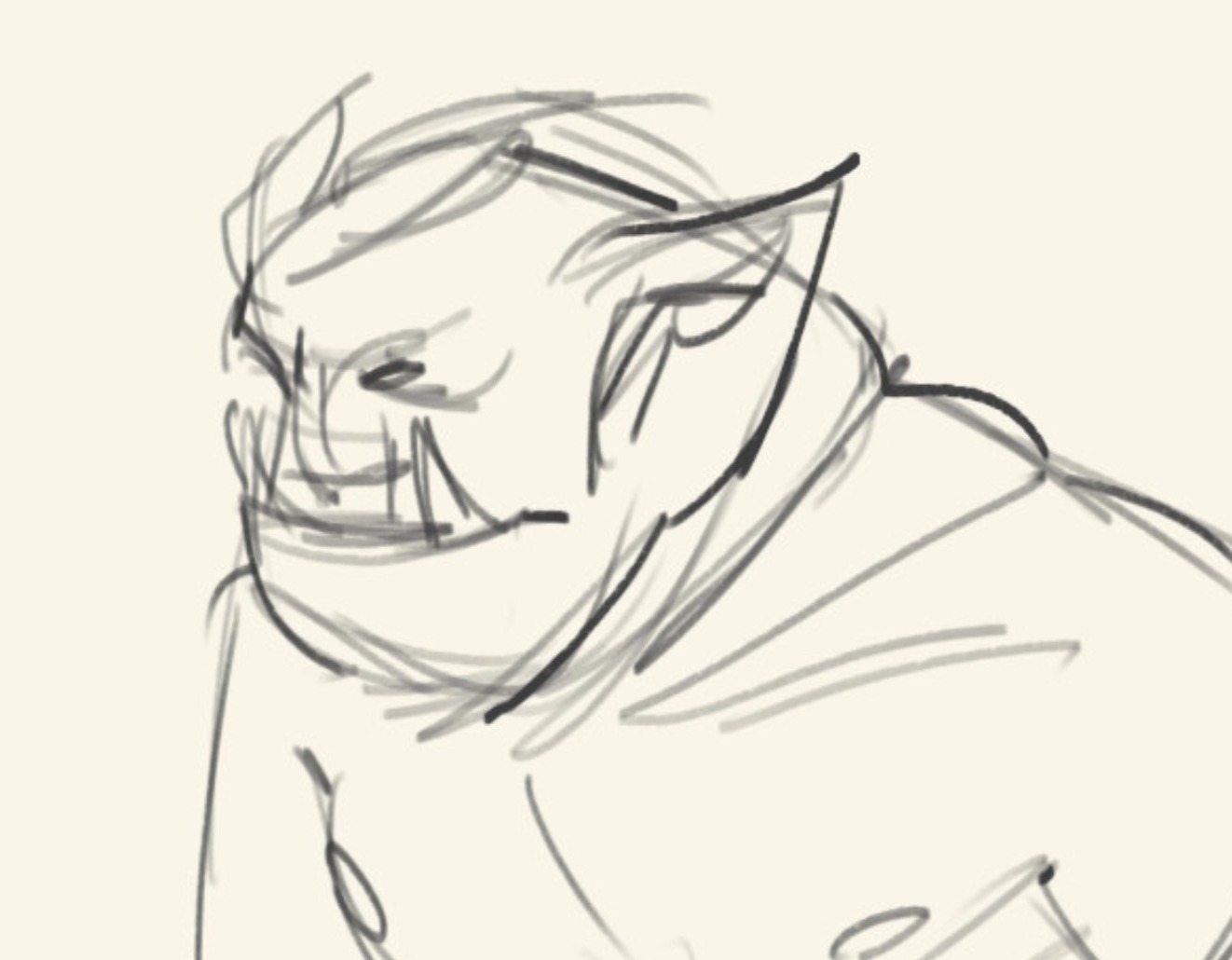
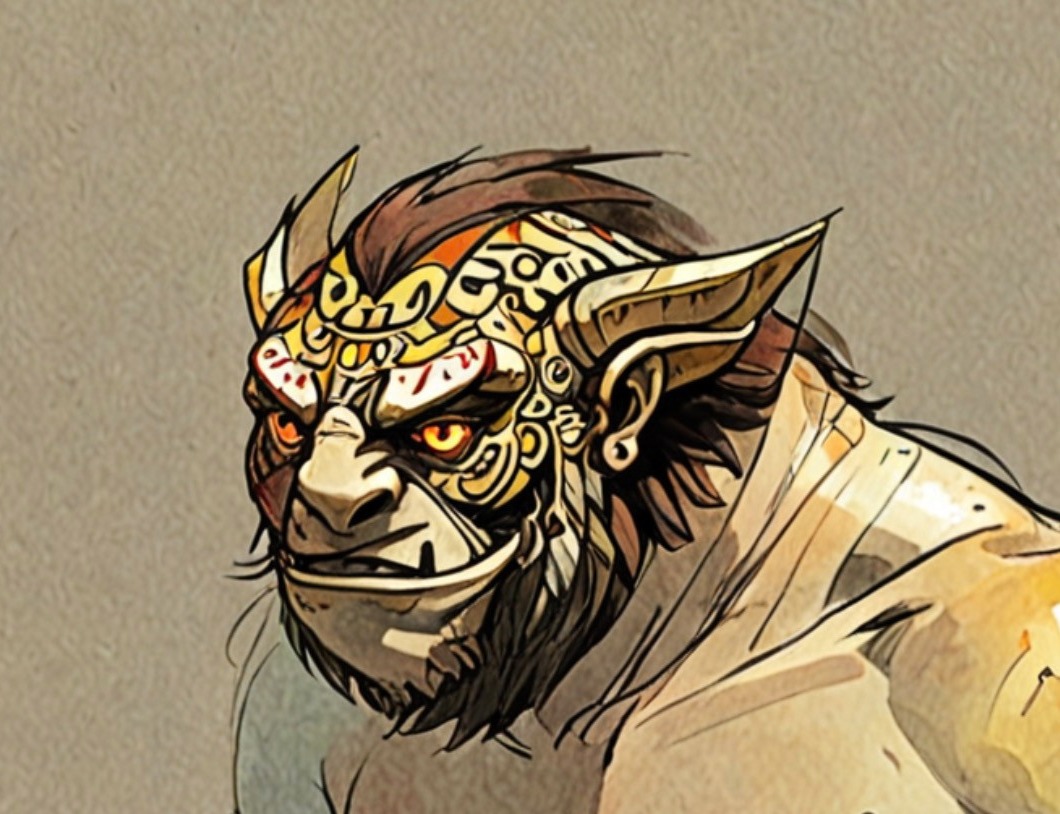
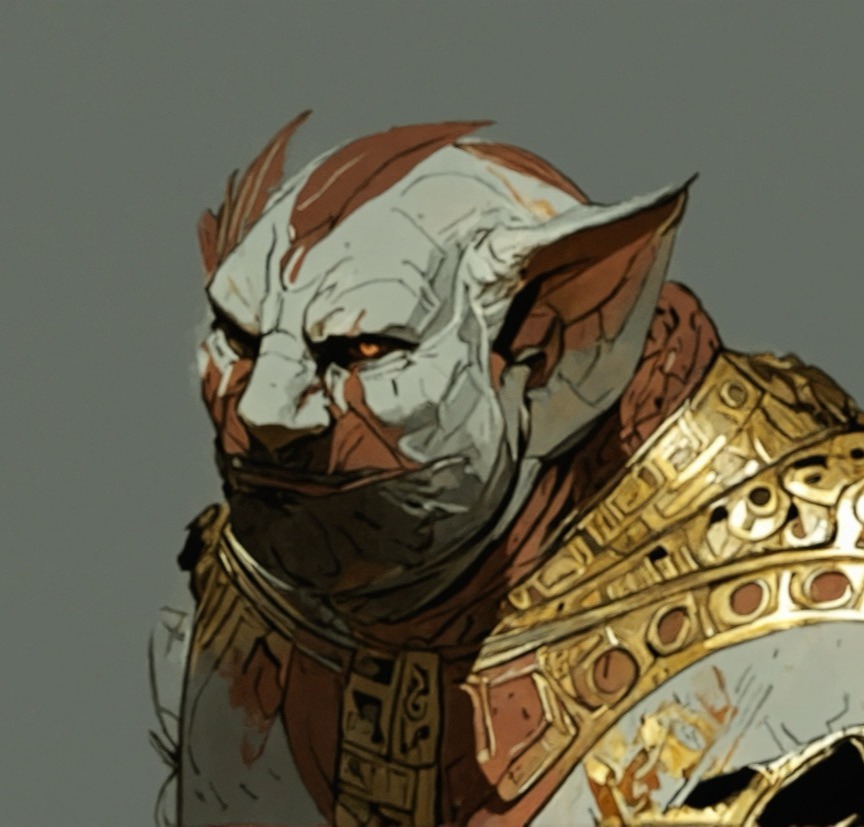
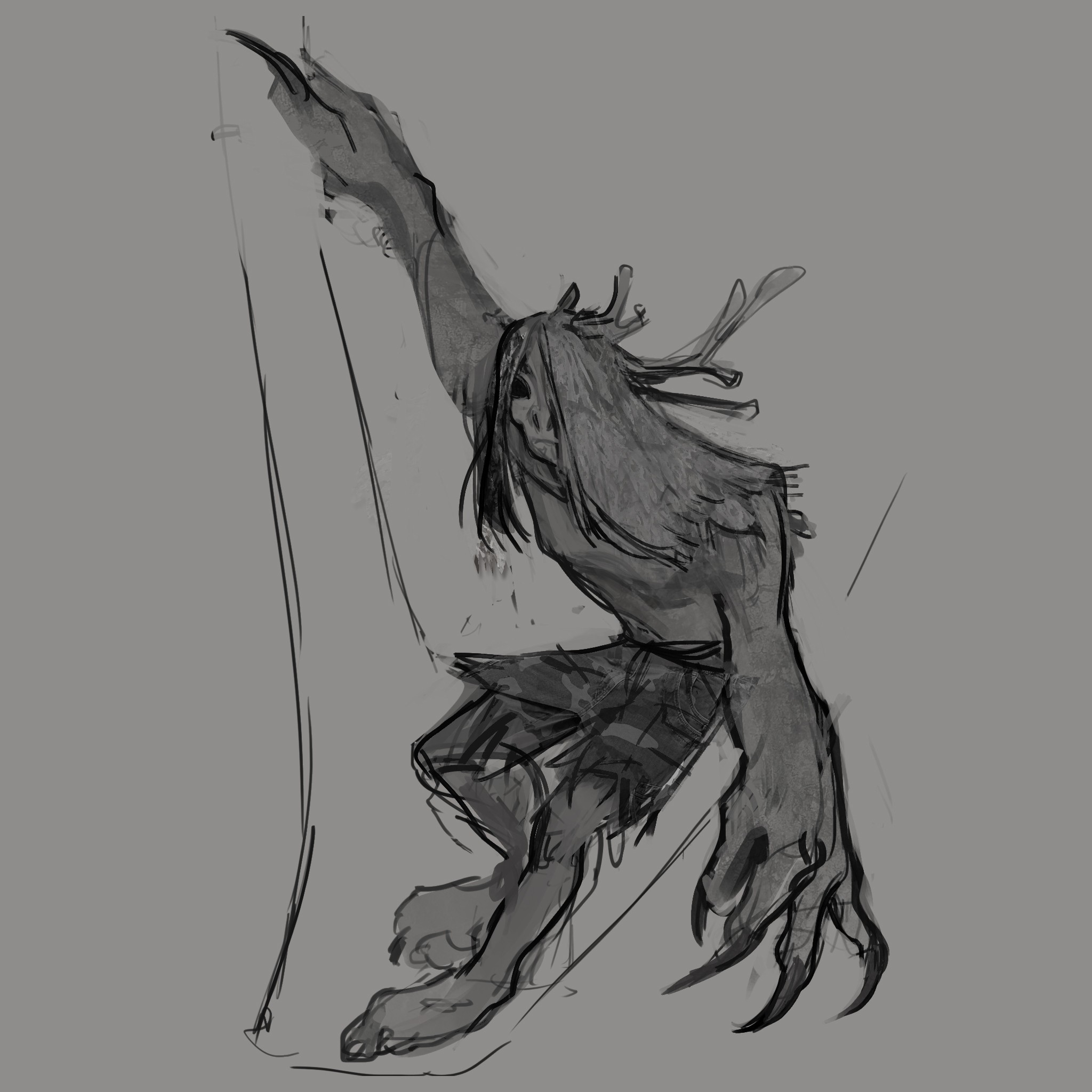
Every character begins with a sketch — a living idea from an artist's hand. That's our foundation. From there, we develop the role, appearance, anatomy, behavior, and place in the world — step by step. This isn't a random prompt. It's the careful work by real artists.
Crafting
the brief
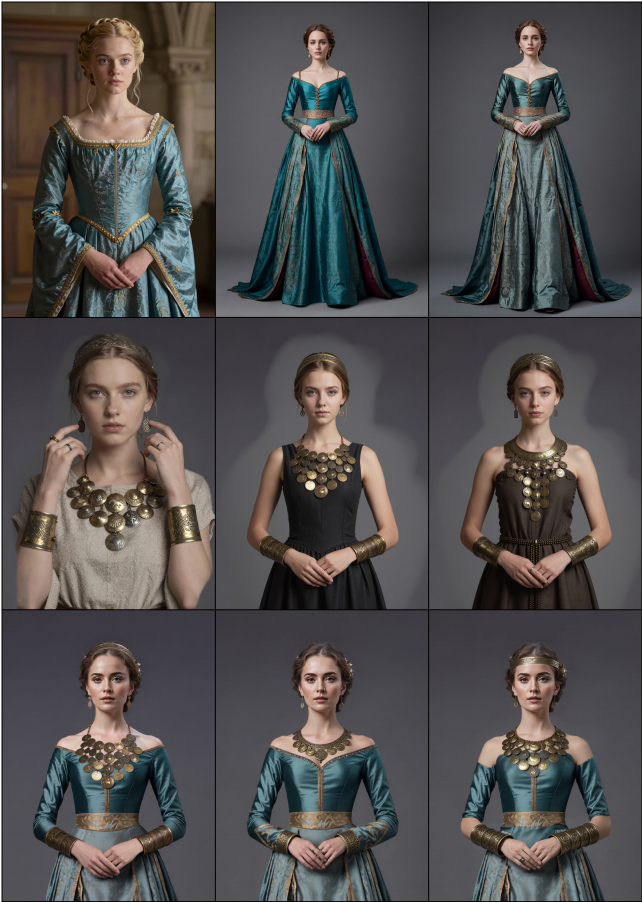
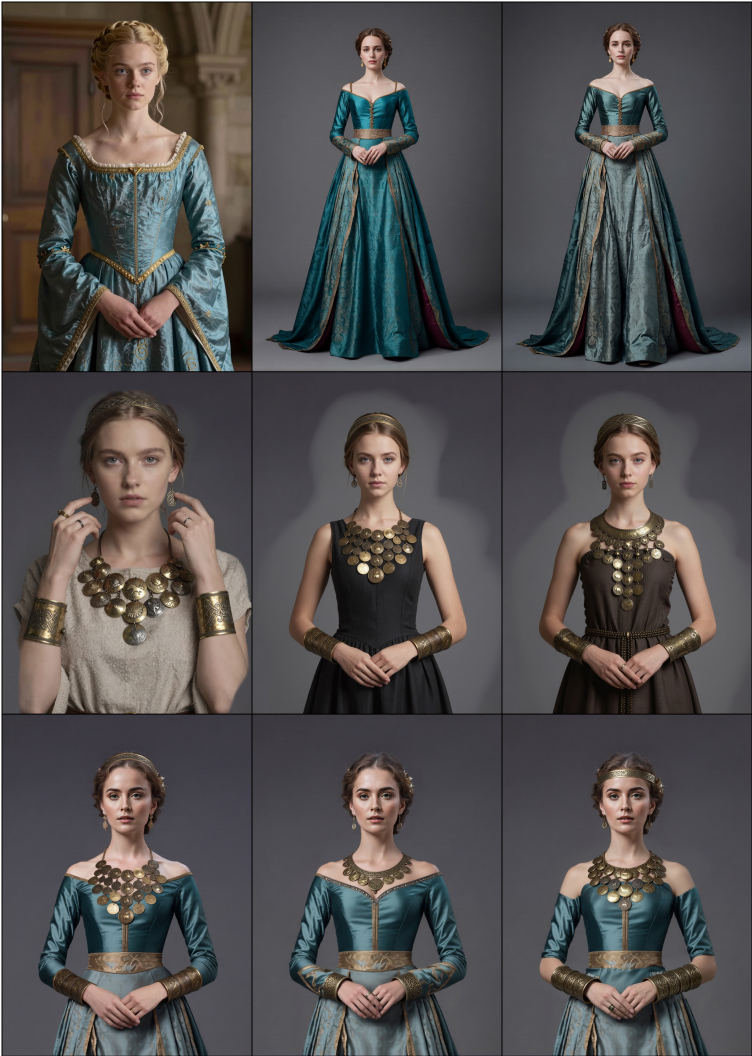
Often, the brief is vague — just a gut feeling about the character. That’s when real development matters most. Relying on references alone is risky. First, we shape the brief to clearly define the goal.
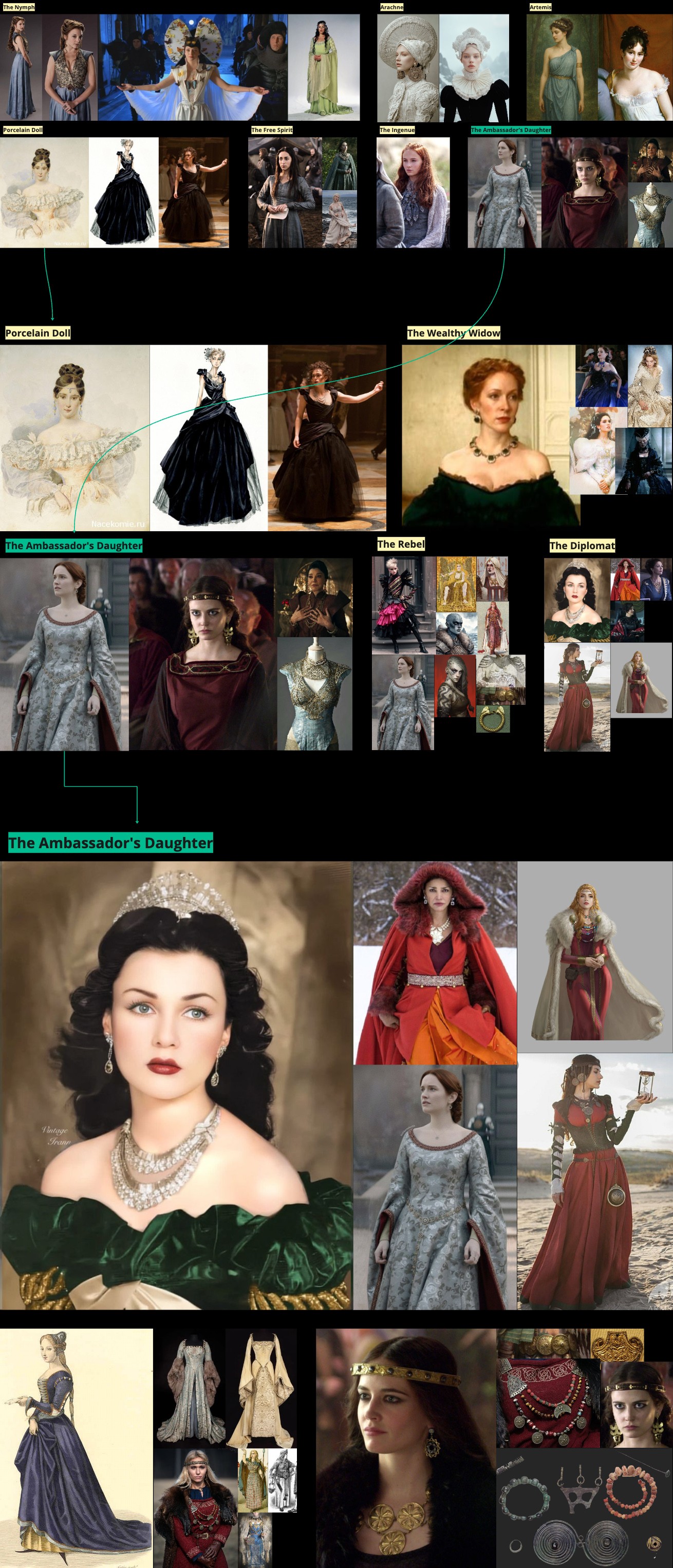
We study female archetypes in fantasy and classify them. That’s where characters start to take shape. We present directions to the director and producers, narrow them down, align on one, and only then move to the art.
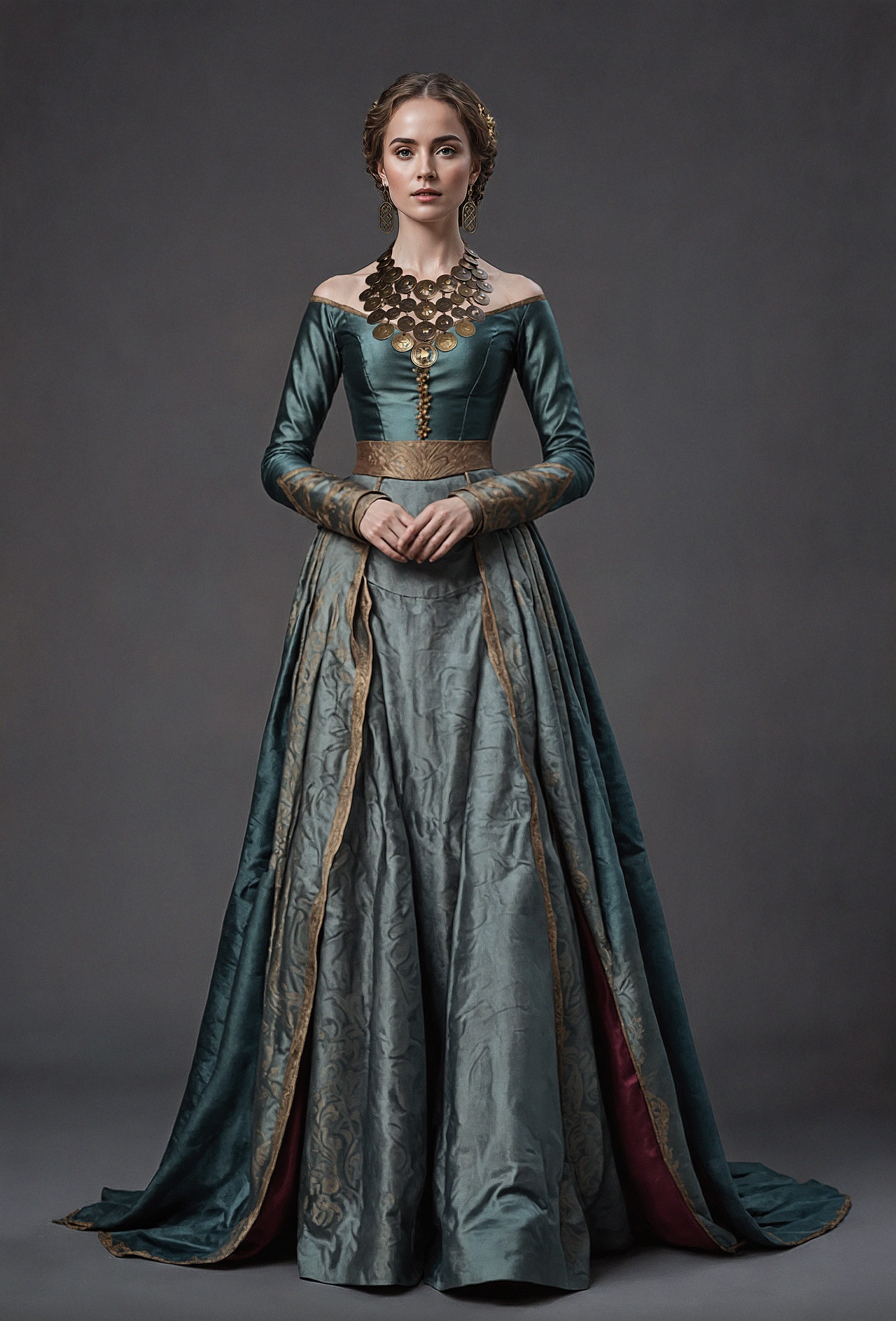
The vague “beautiful with something special” becomes a clear brief: a diplomat’s daughter on the brink of war, whose costume is a political statement.
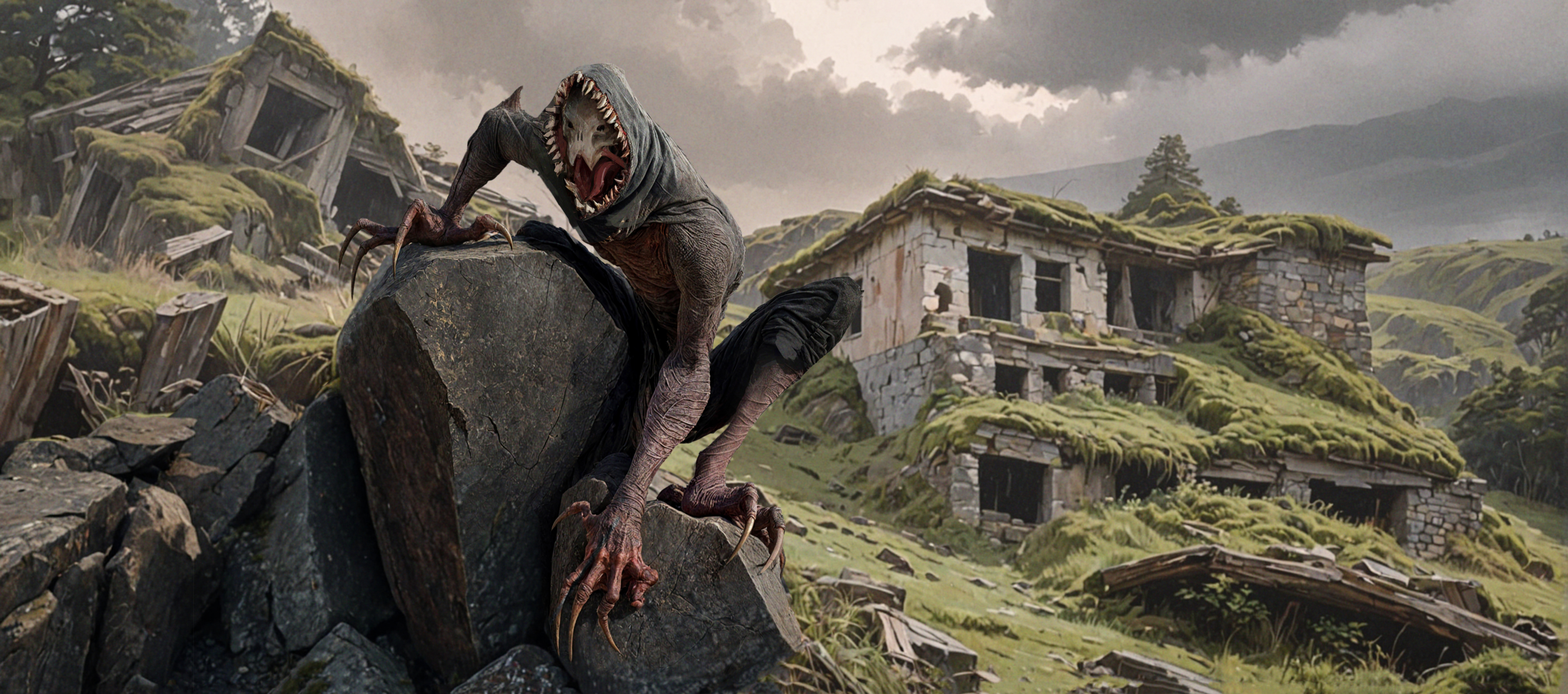
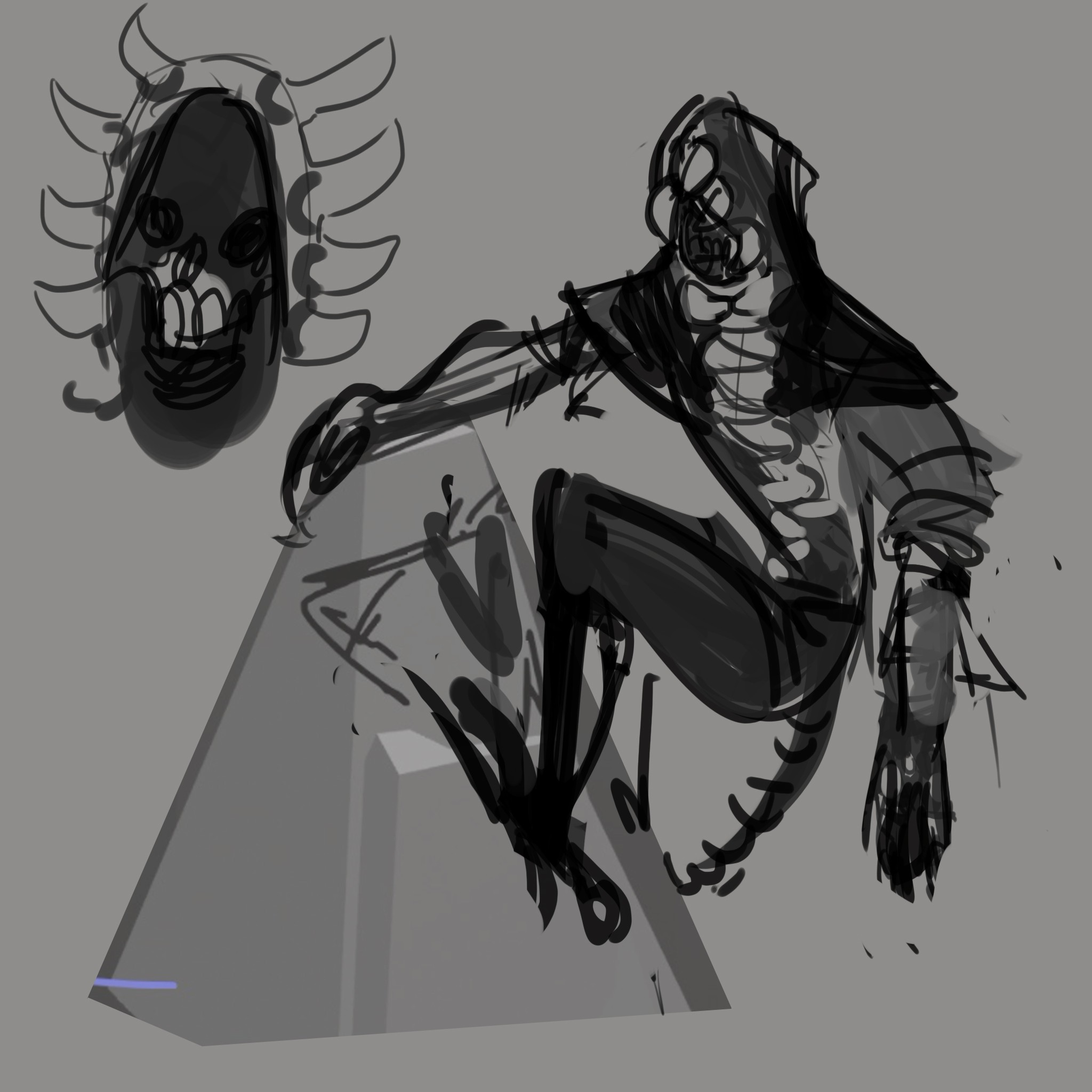
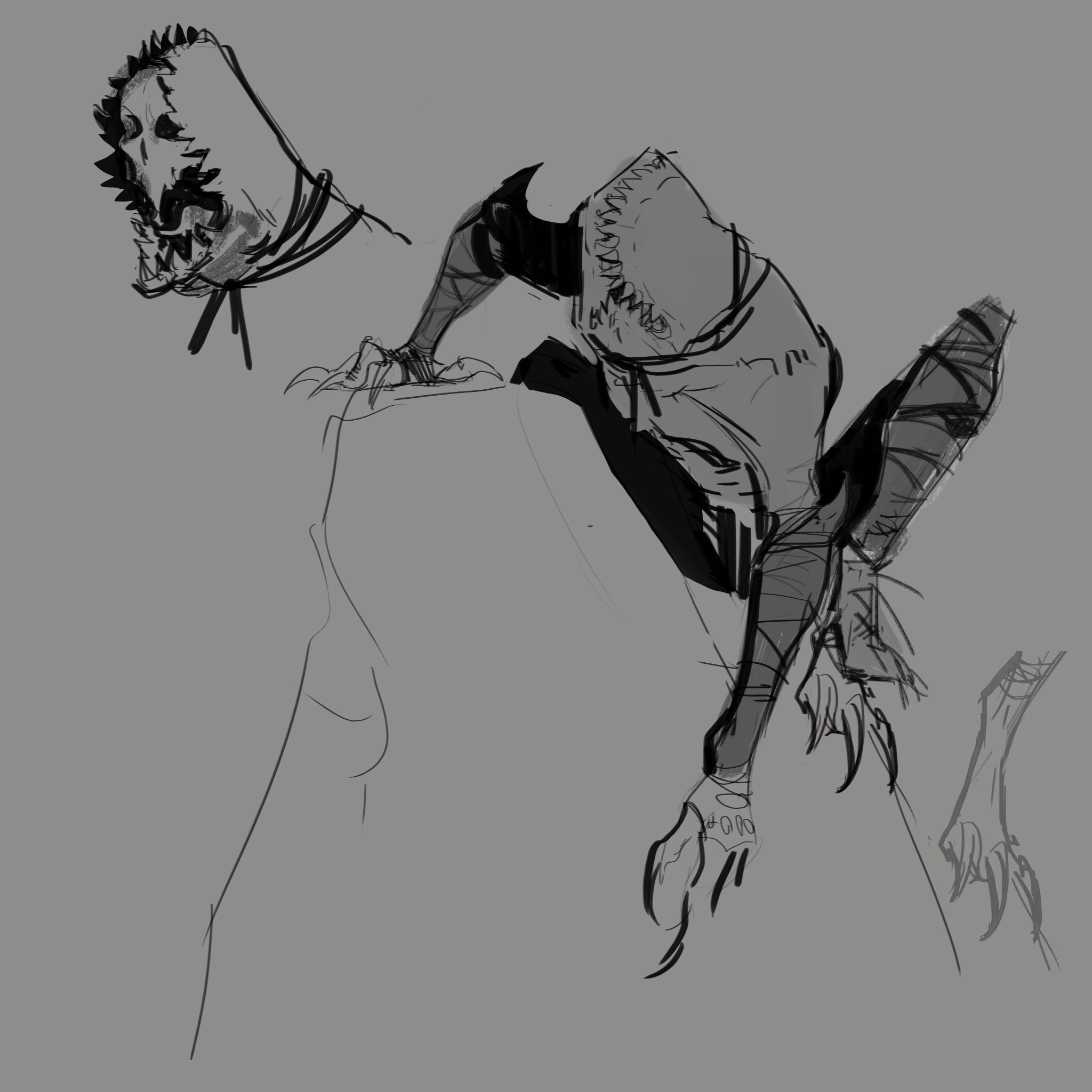
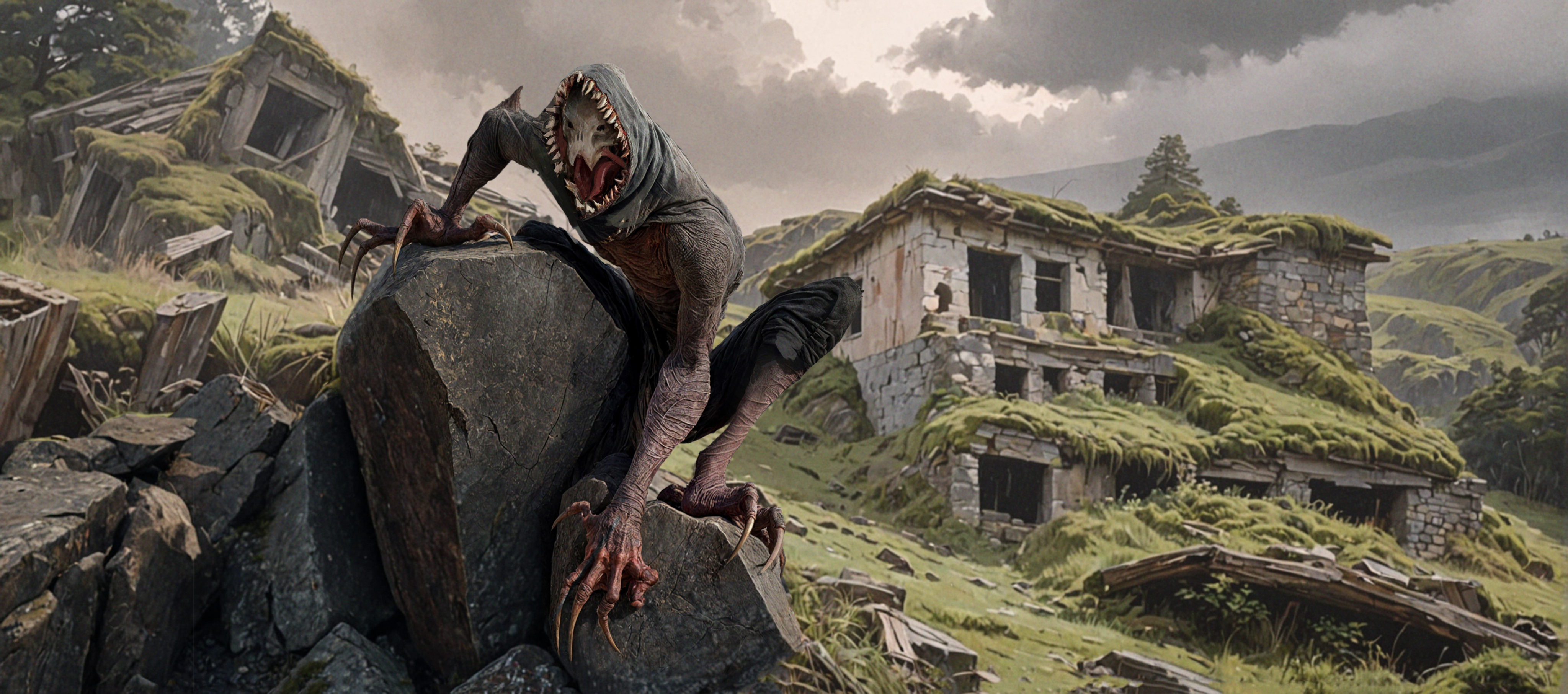
When we design a monster, we don’t start with the look. We start with who he is.
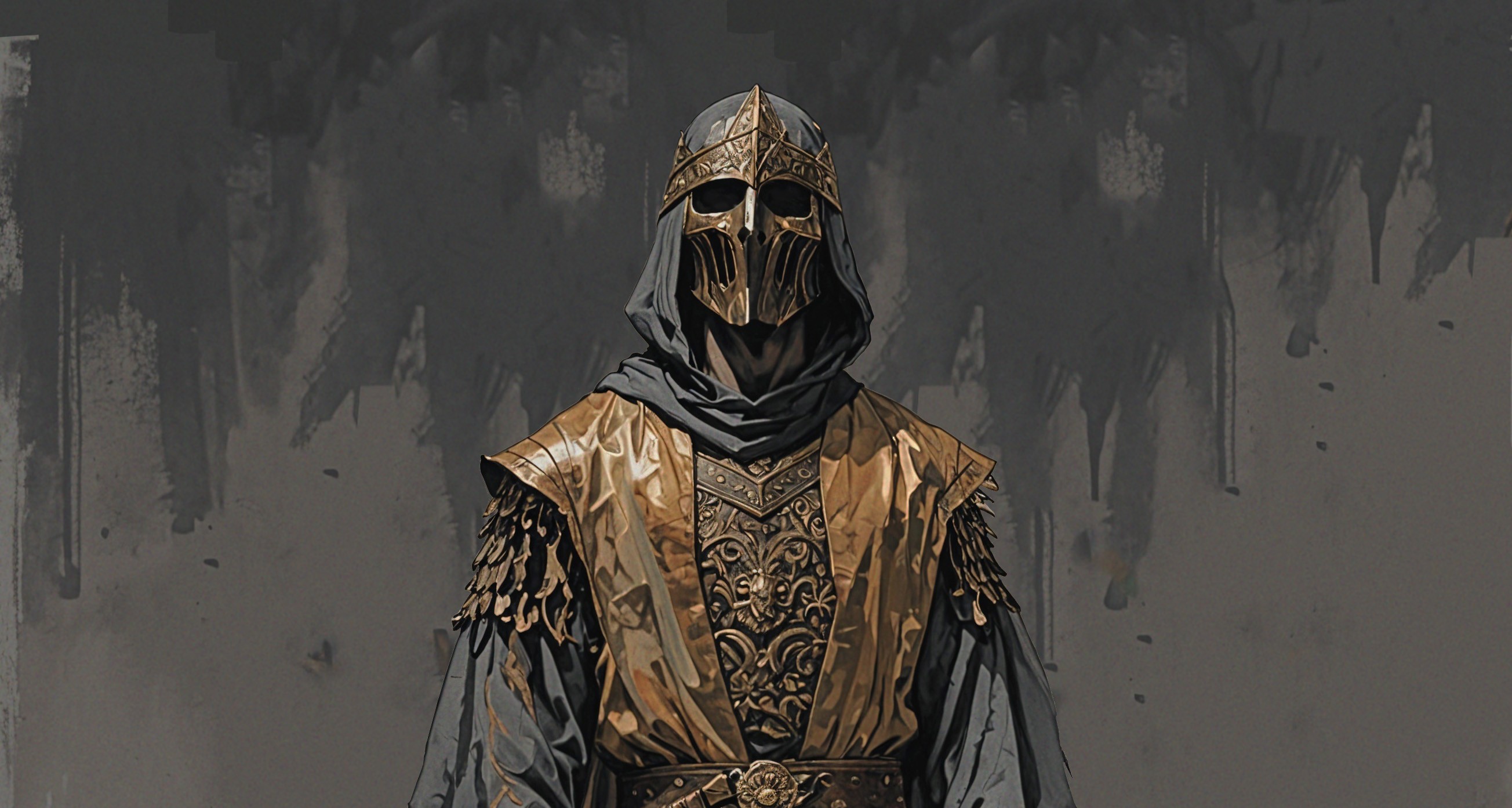
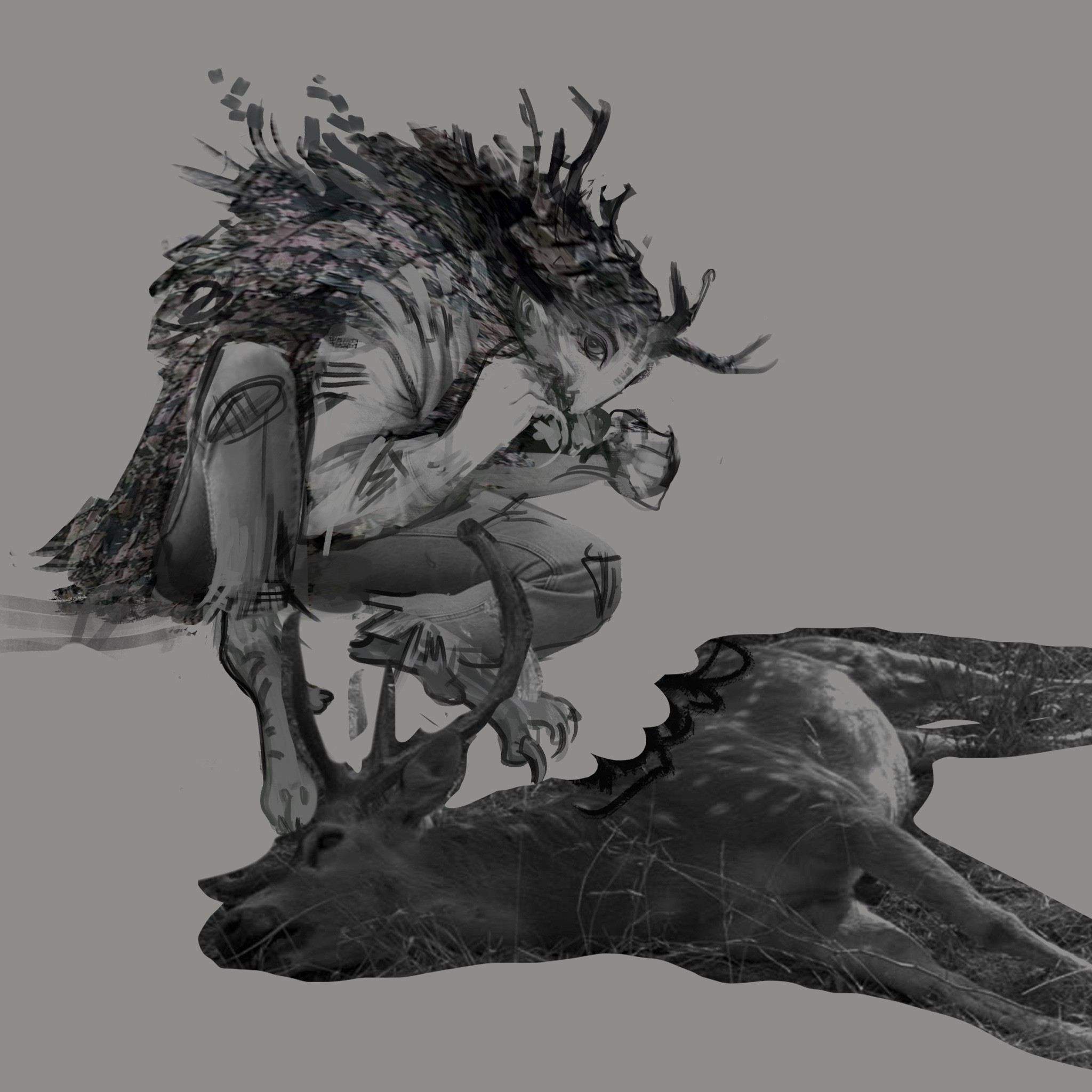
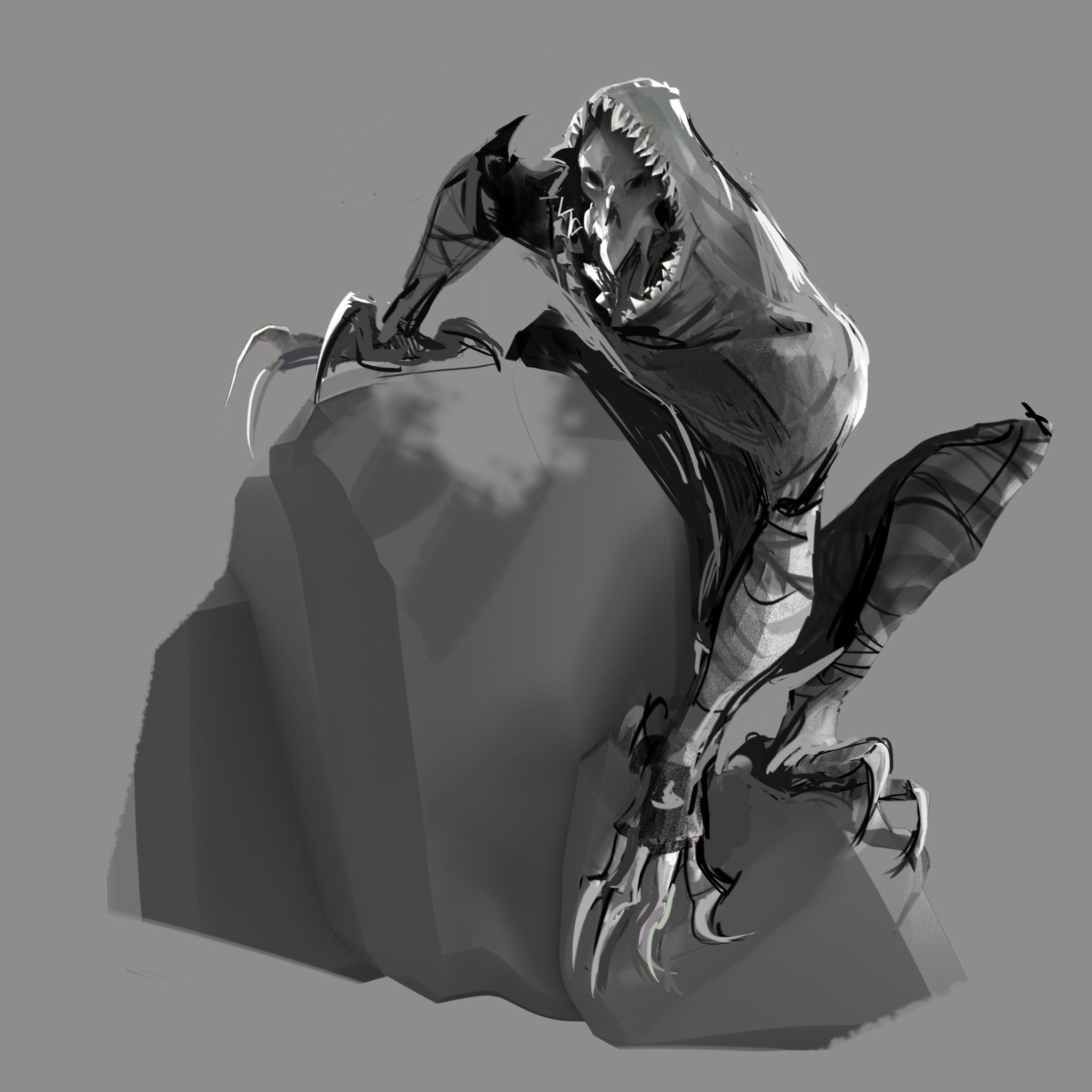
The Hermit is a heavily mutated man with agoraphobia. A recluse driven to hide — and punish anyone who disturbs him.
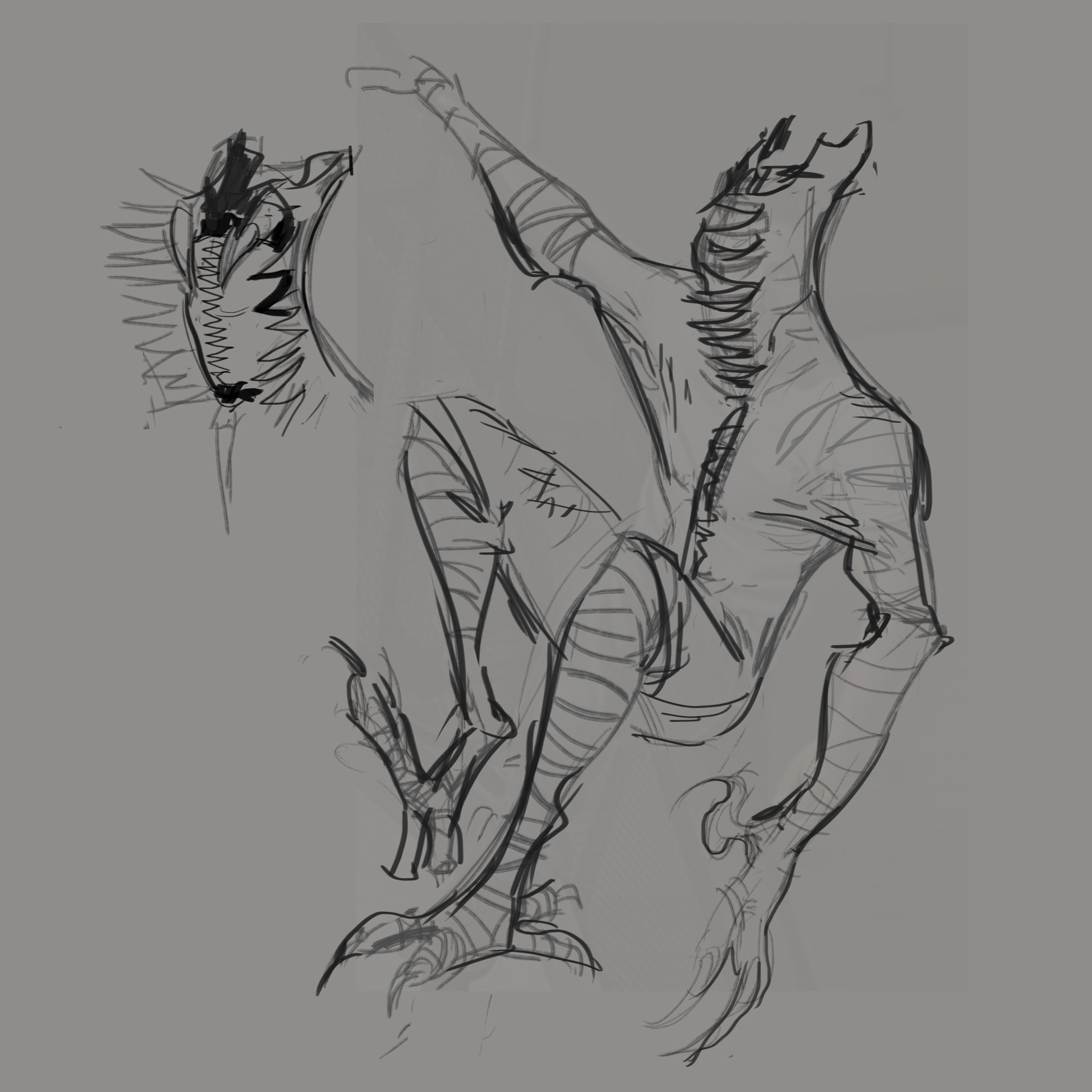
That need reshaped his body: buttoned-up, sinewy, clawed. Form follows physiology. Physiology follows psychology.
Behavior
Defines Form
Creative
research
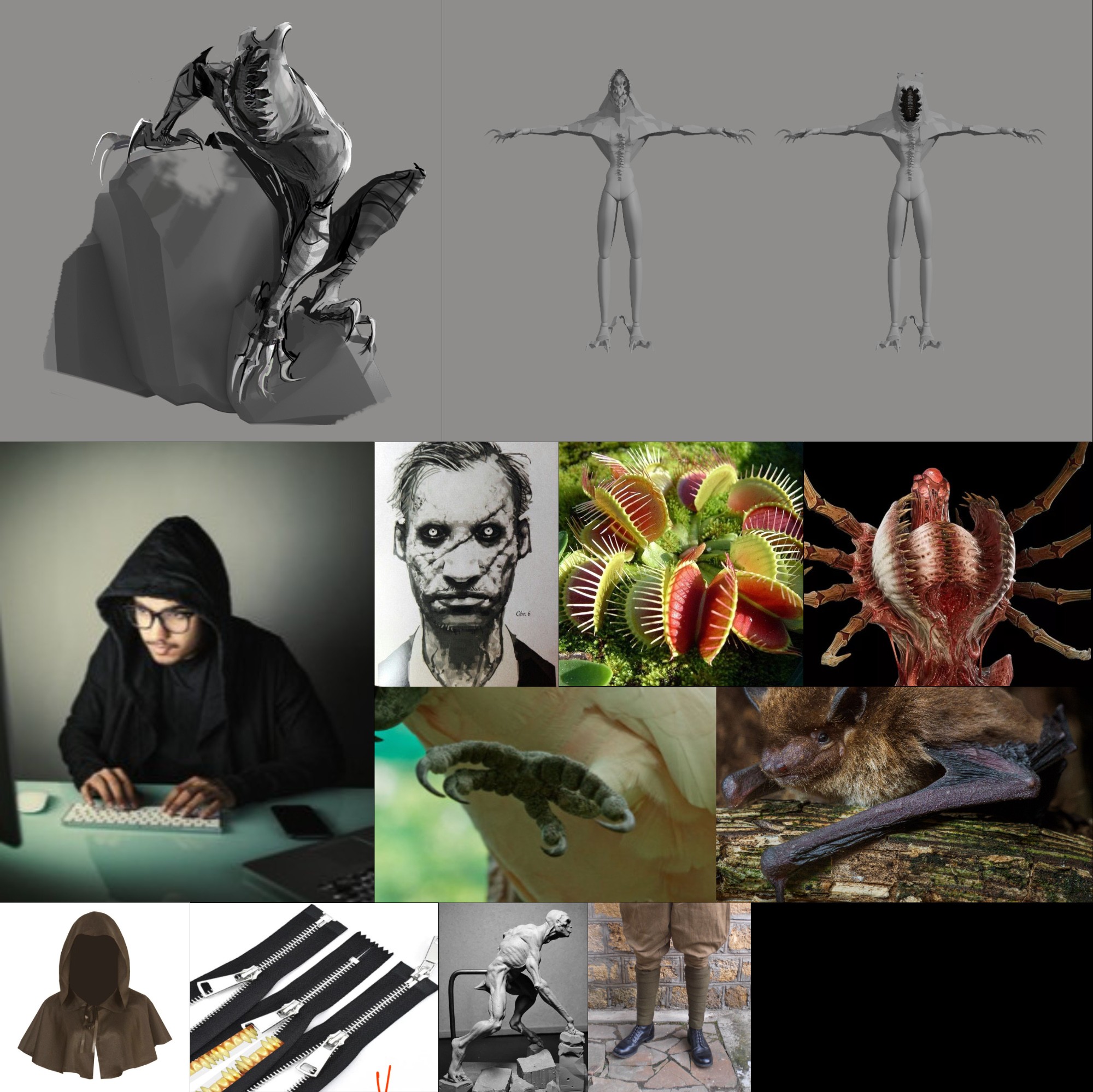
Artists explore options — silhouettes, proportions, details — until the design stops feeling like a choice and becomes the only solution. We don’t settle for the first version. We seek the one that works with maximum precision.
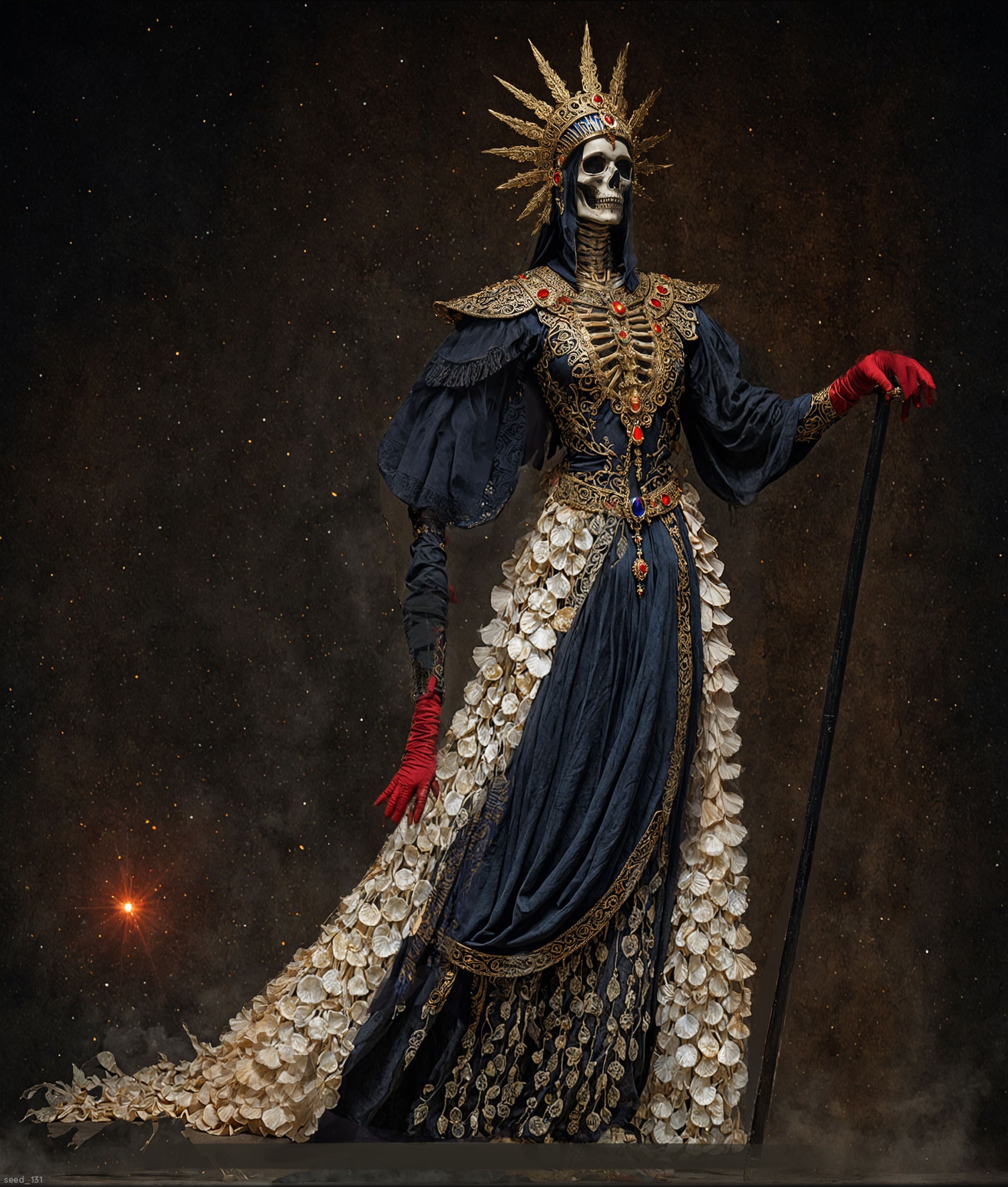
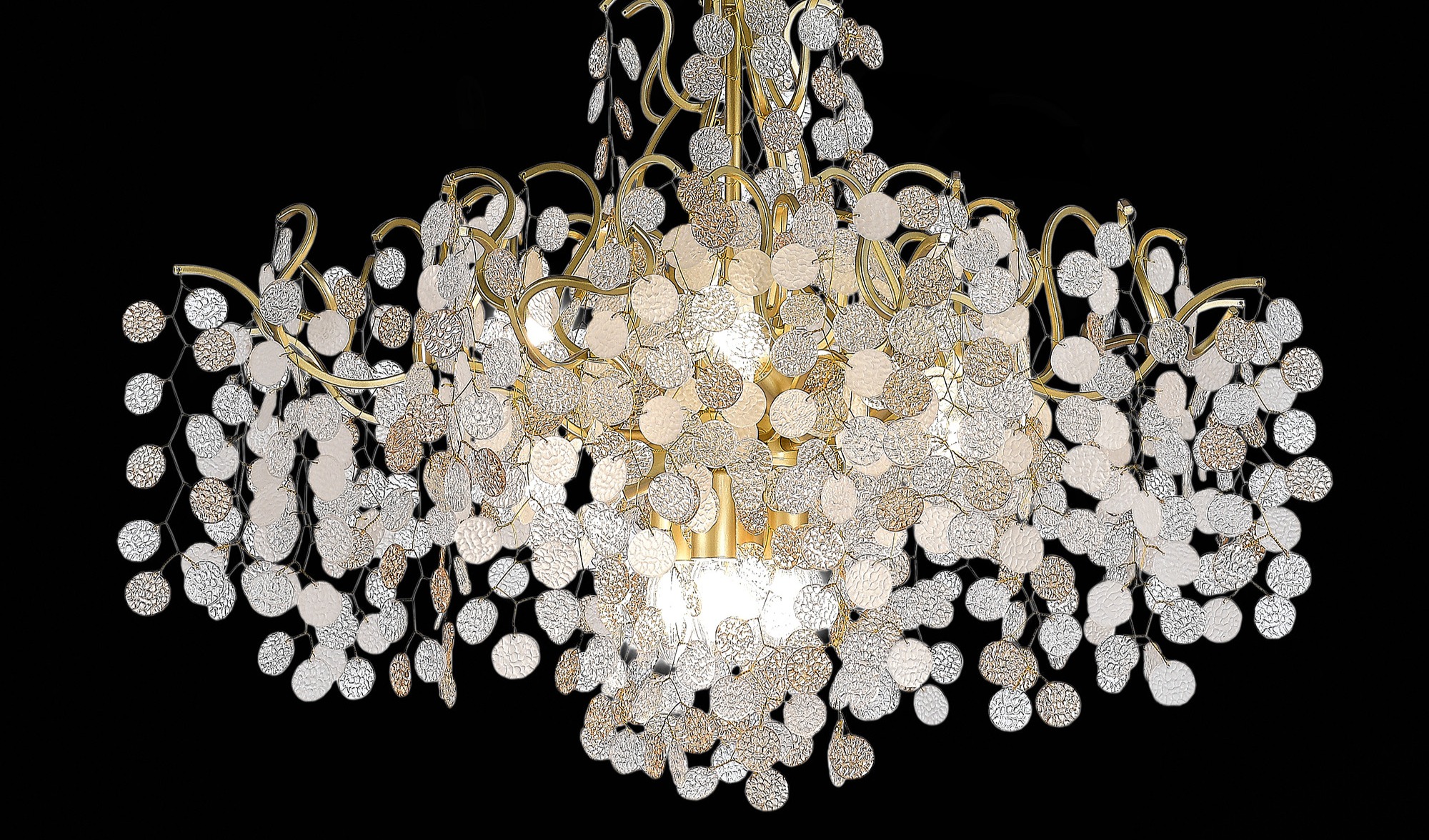
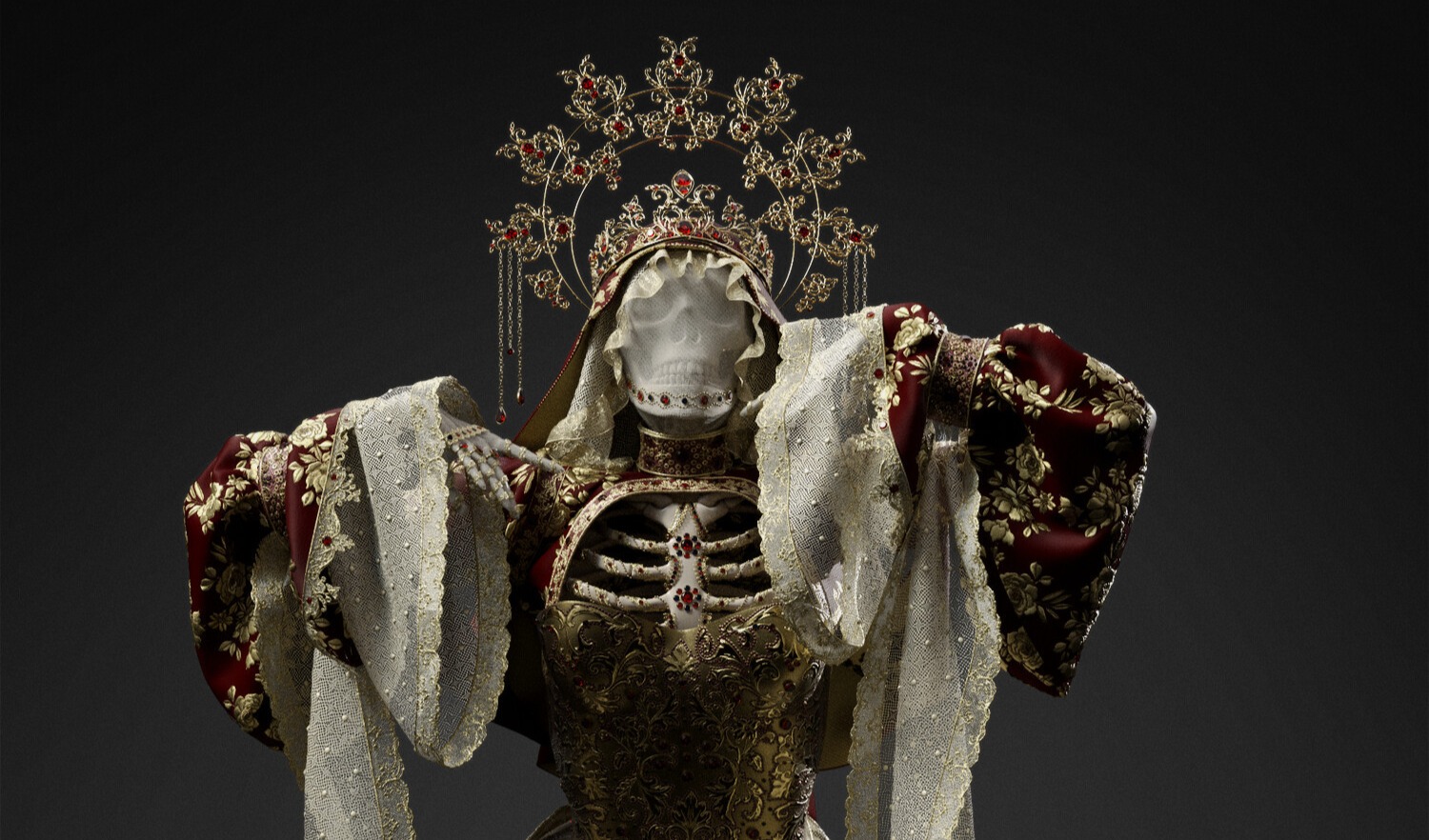
At the core — real references, carefully chosen to reinforce a specific image, that work precisely for the brief. You always have to watch for accidental, parasitic rhymes that blur the character. Every detail is not just decoration — it's an argument.
Visual rhymes
Contradiction
as brief
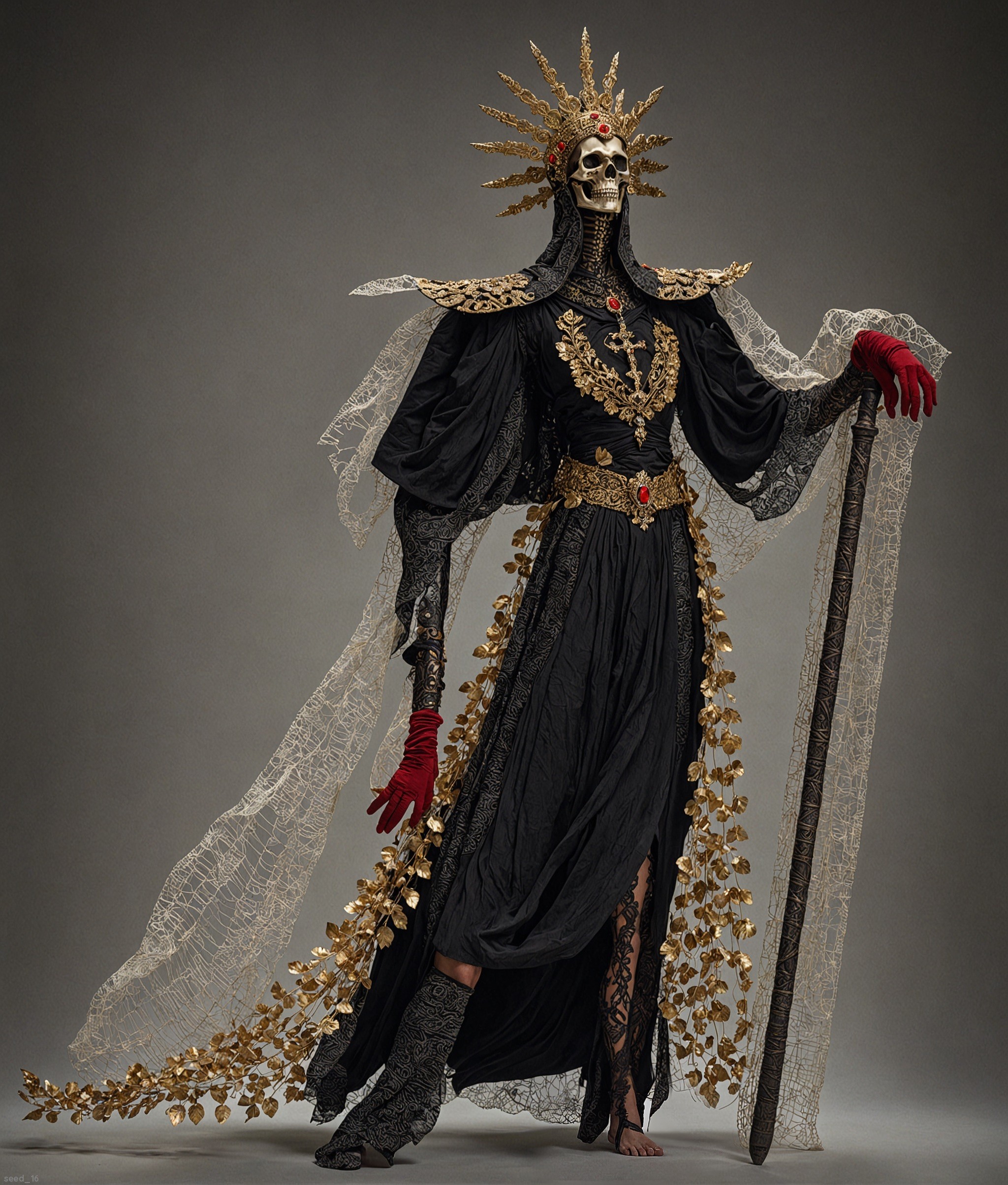
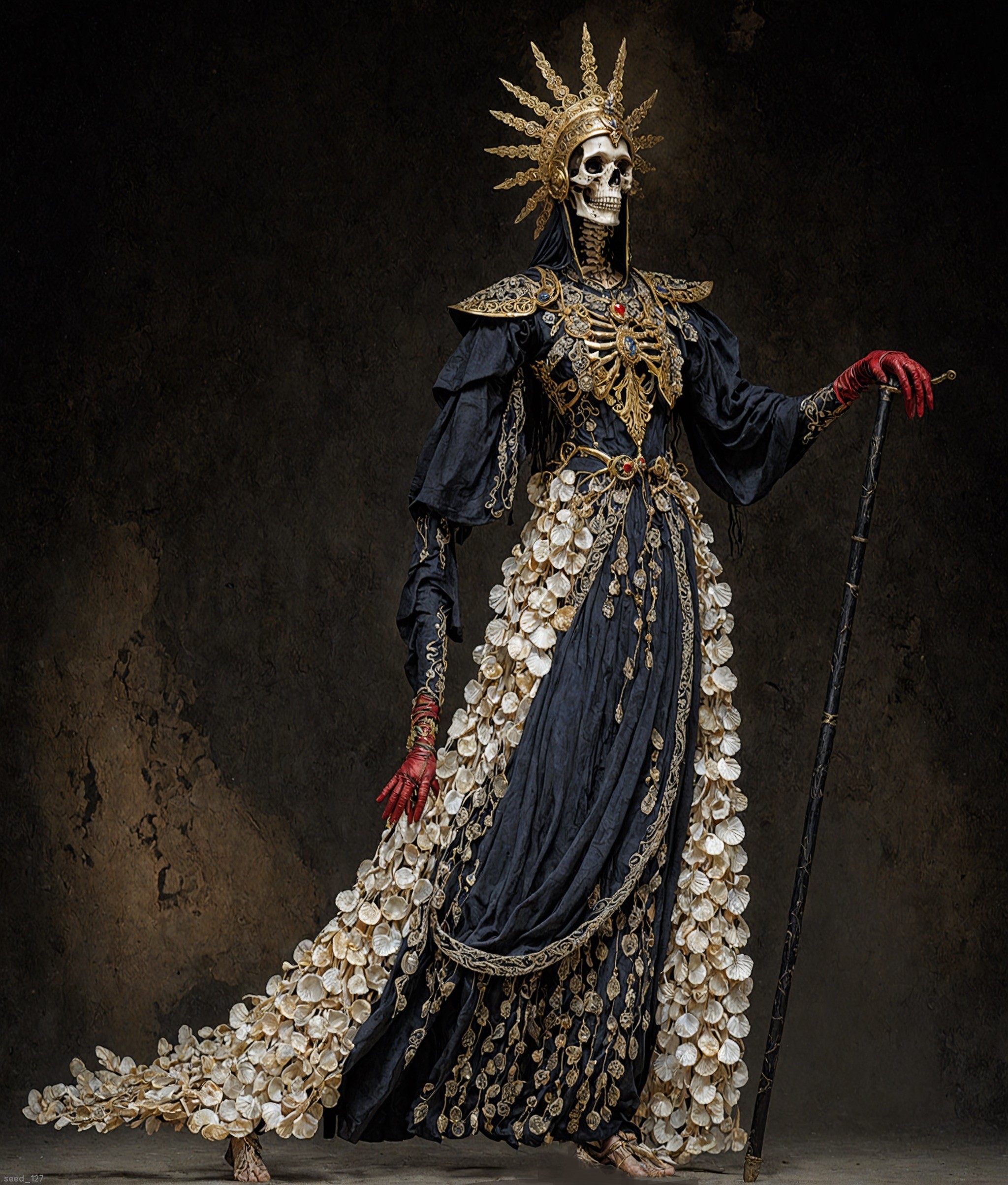
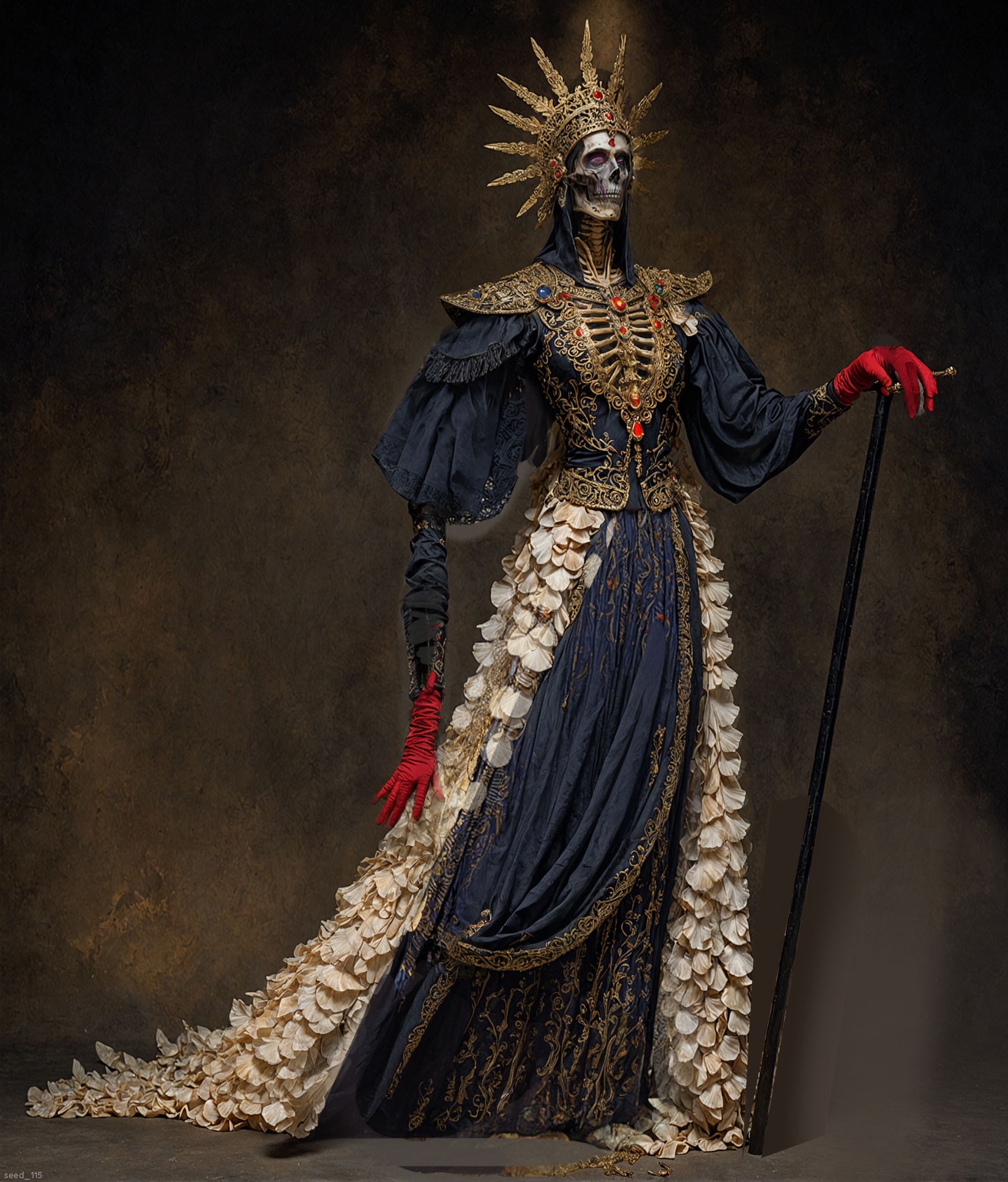
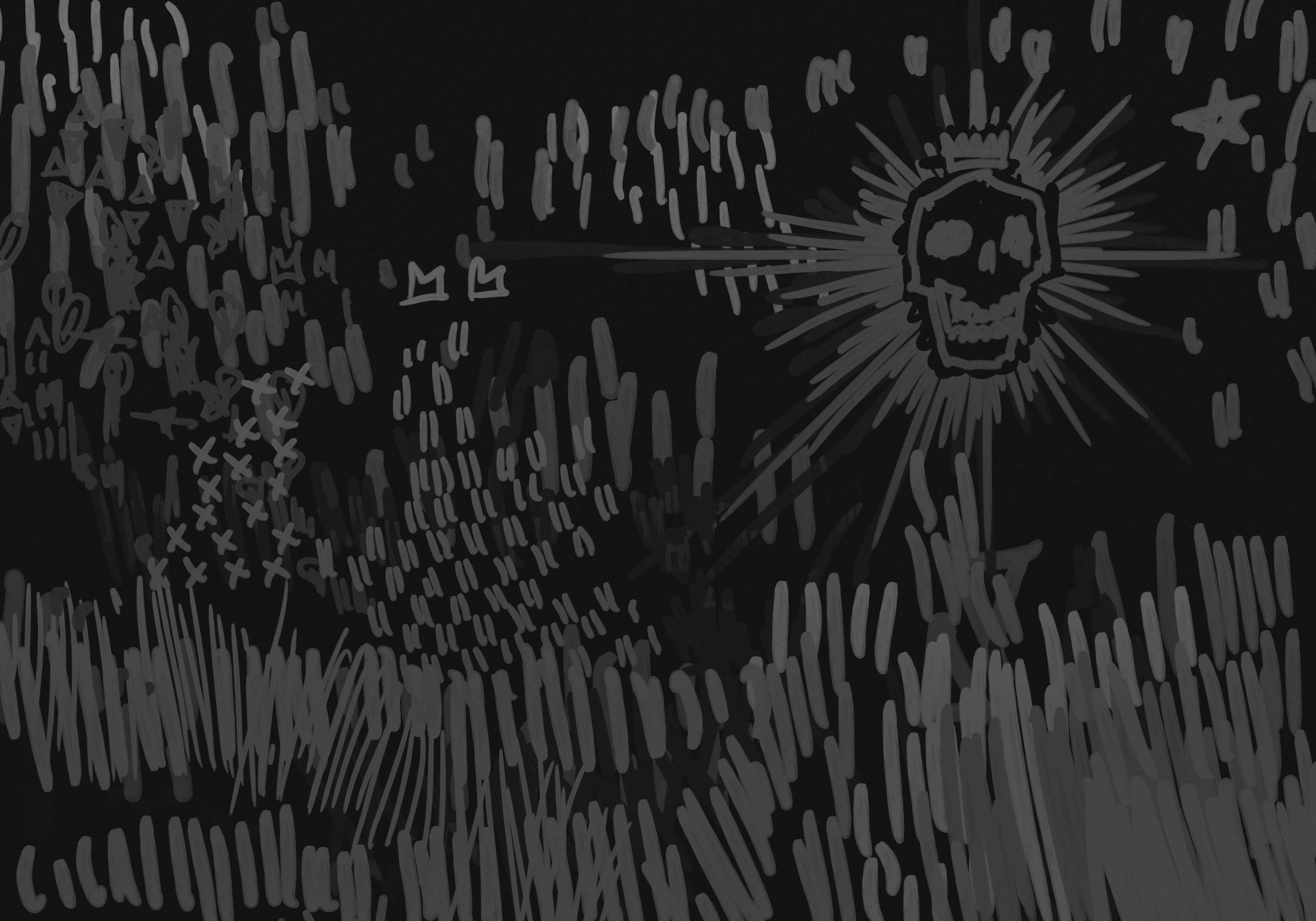
"Make death beautiful. Not scary. Just beautiful."
The most interesting work lives in paradox. And paradox is exactly where AI tools fall apart — they were trained on what already exists, endlessly recombining the familiar. But the work worth doing is usually the thing no one has made yet. That’s where human artists and real creative development make the difference.
Controlled
development
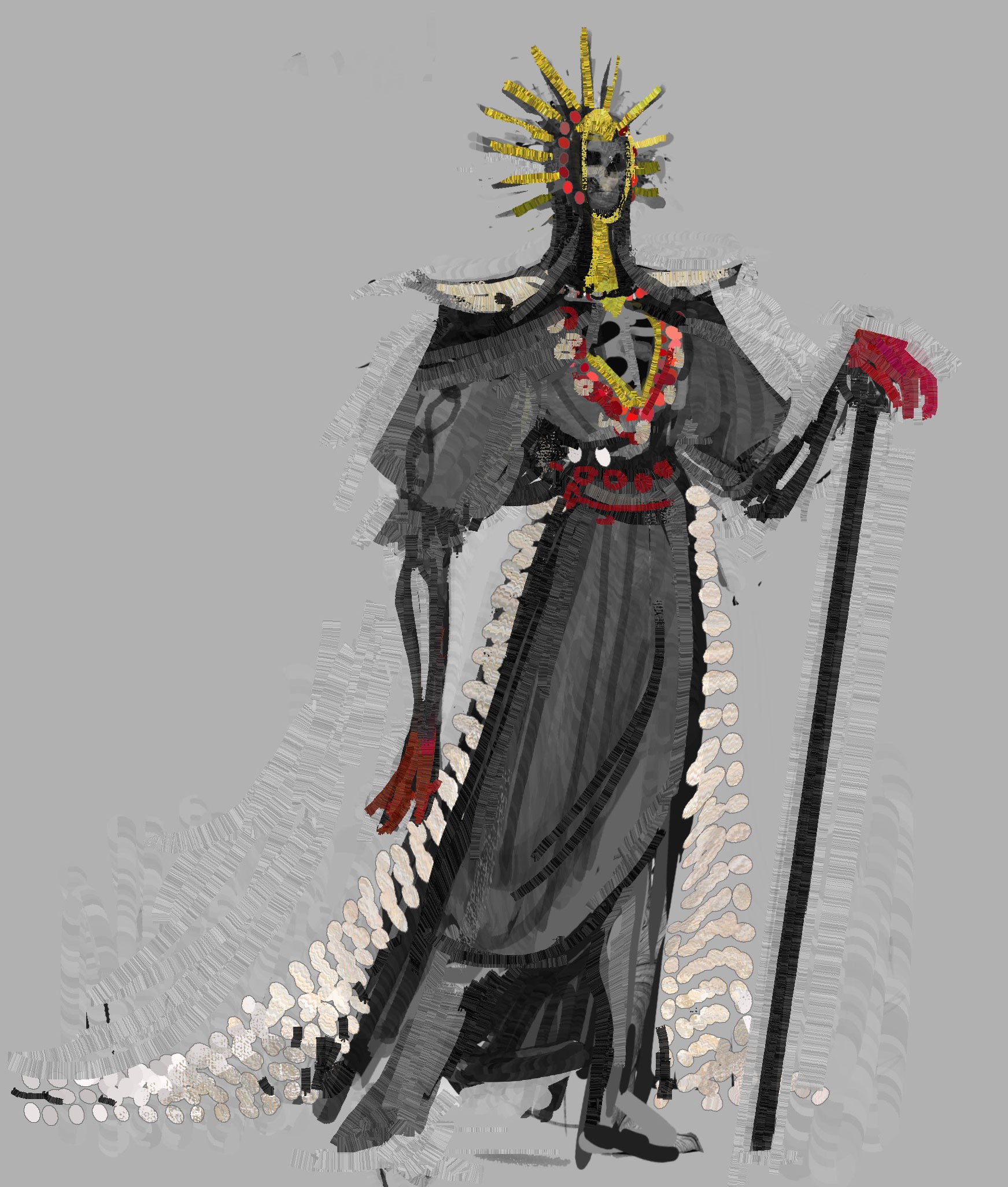
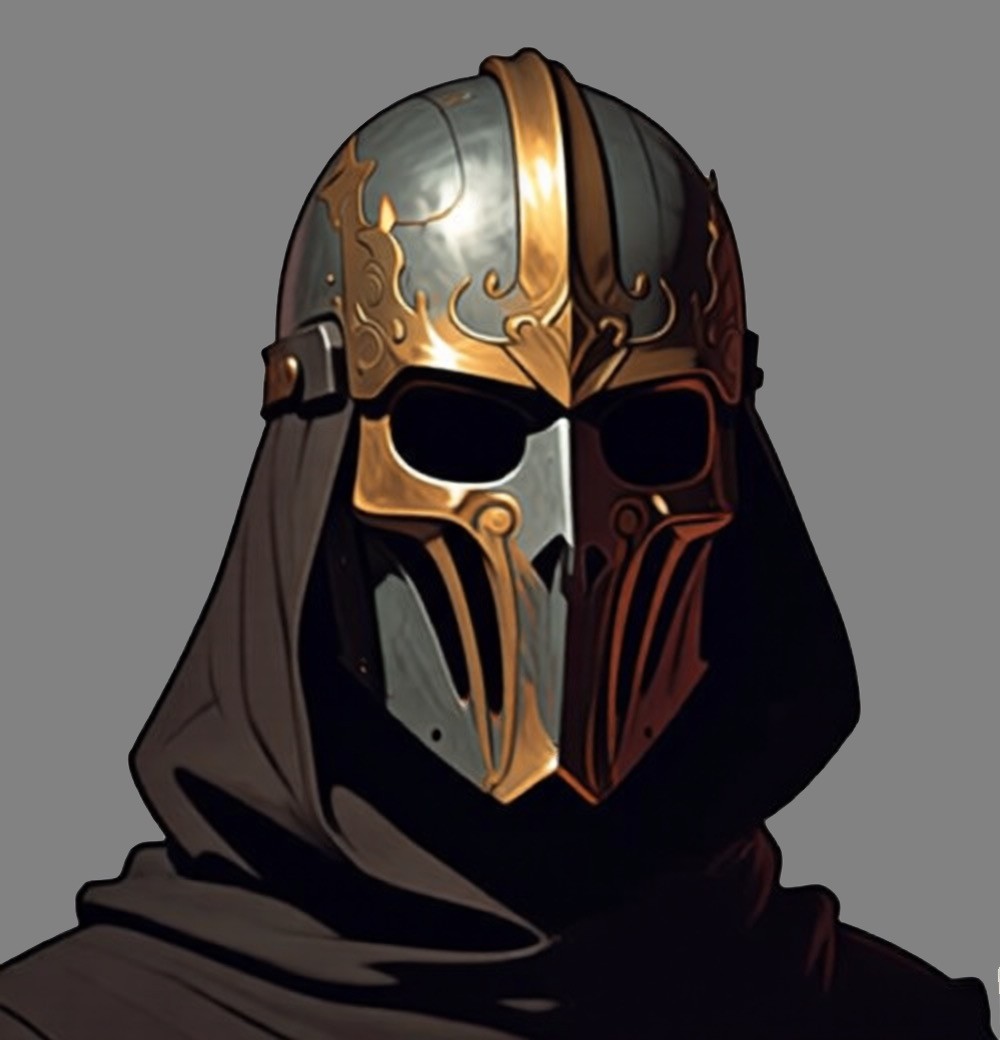
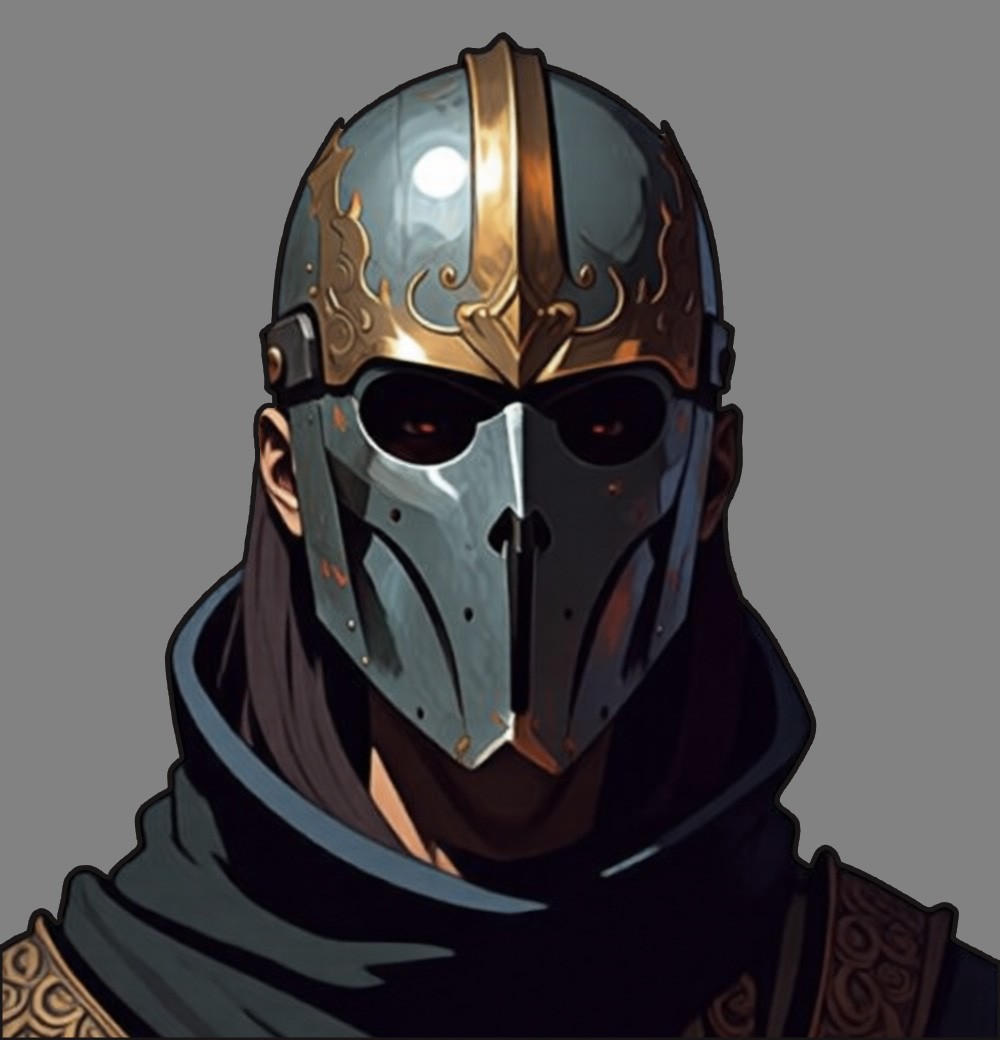
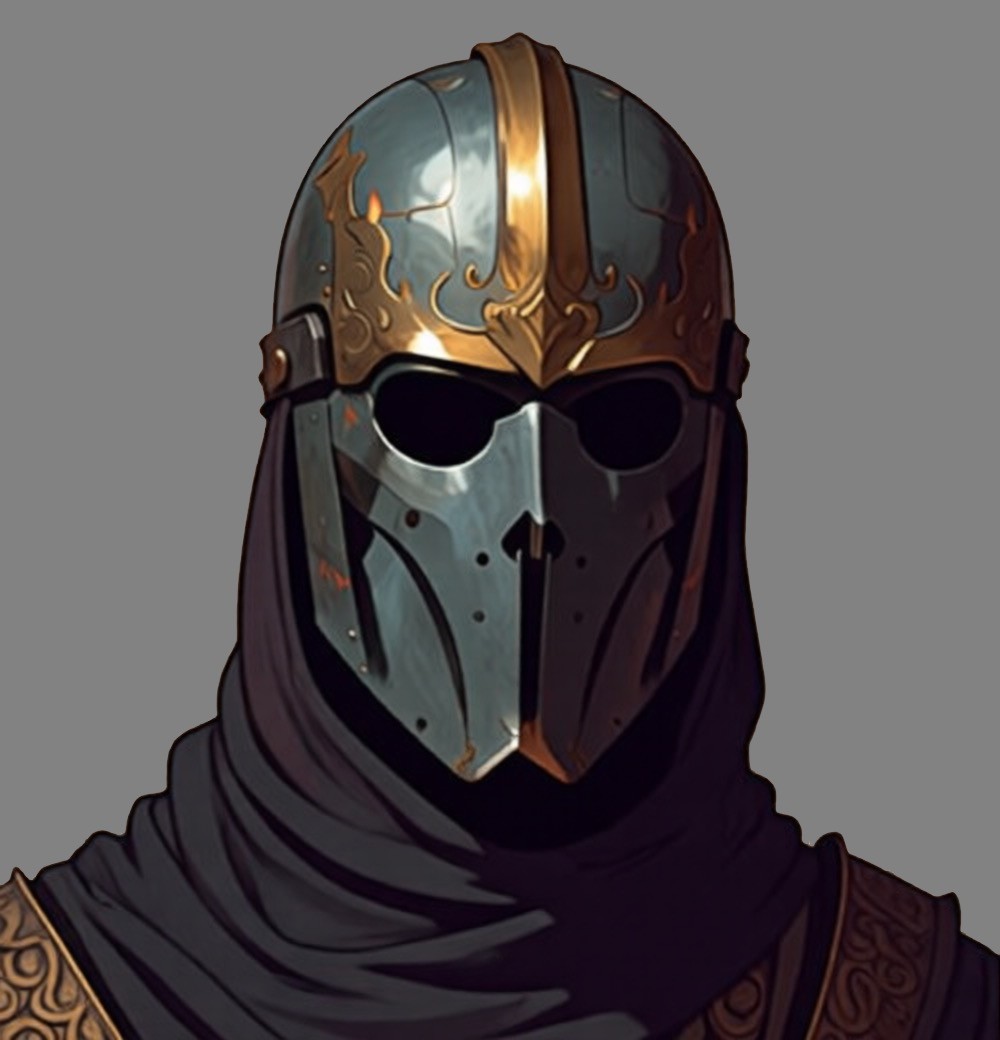
We can start from contradictions. From references that barely make sense together. From a feeling with no name yet. Through controlled iteration — sketch by sketch, decision by decision — a precise image emerges. Expressive. Intentional. Nothing is left to chance.
Controlled
refinement
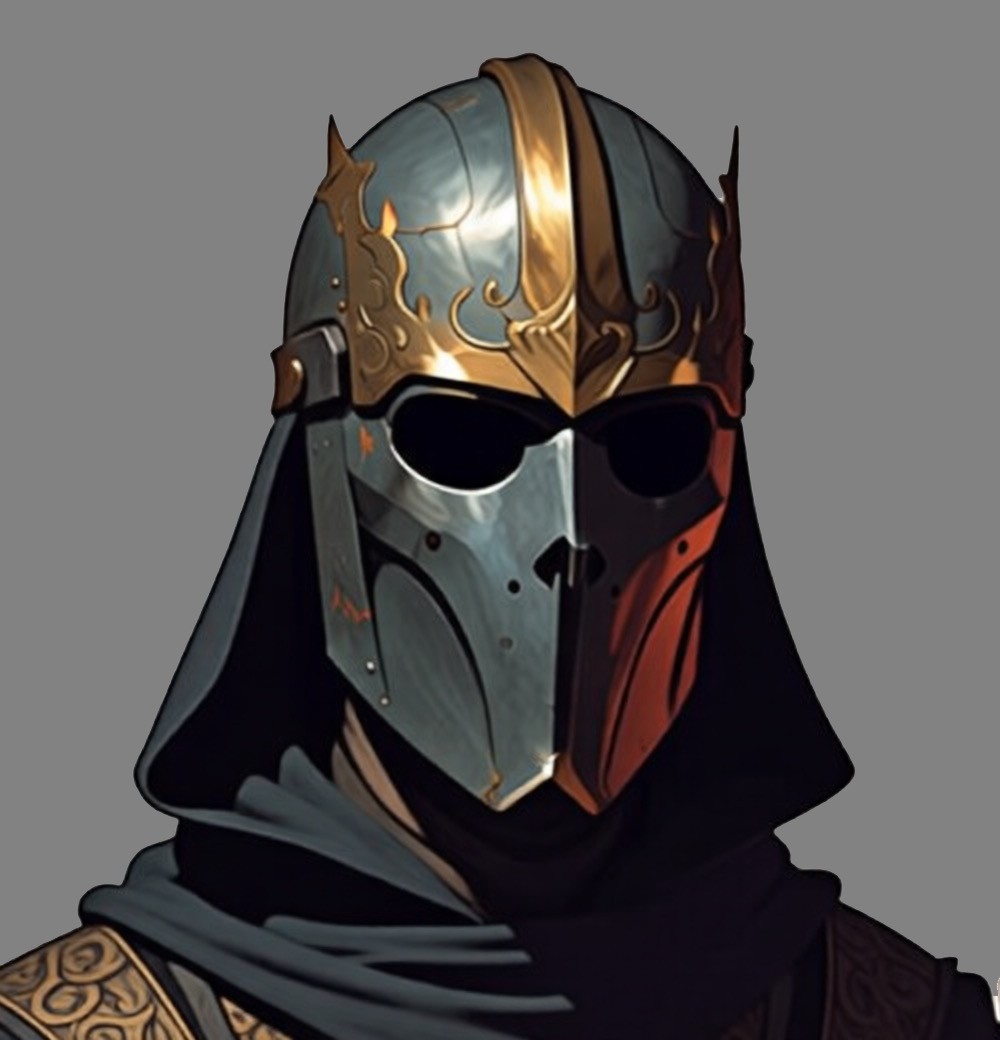
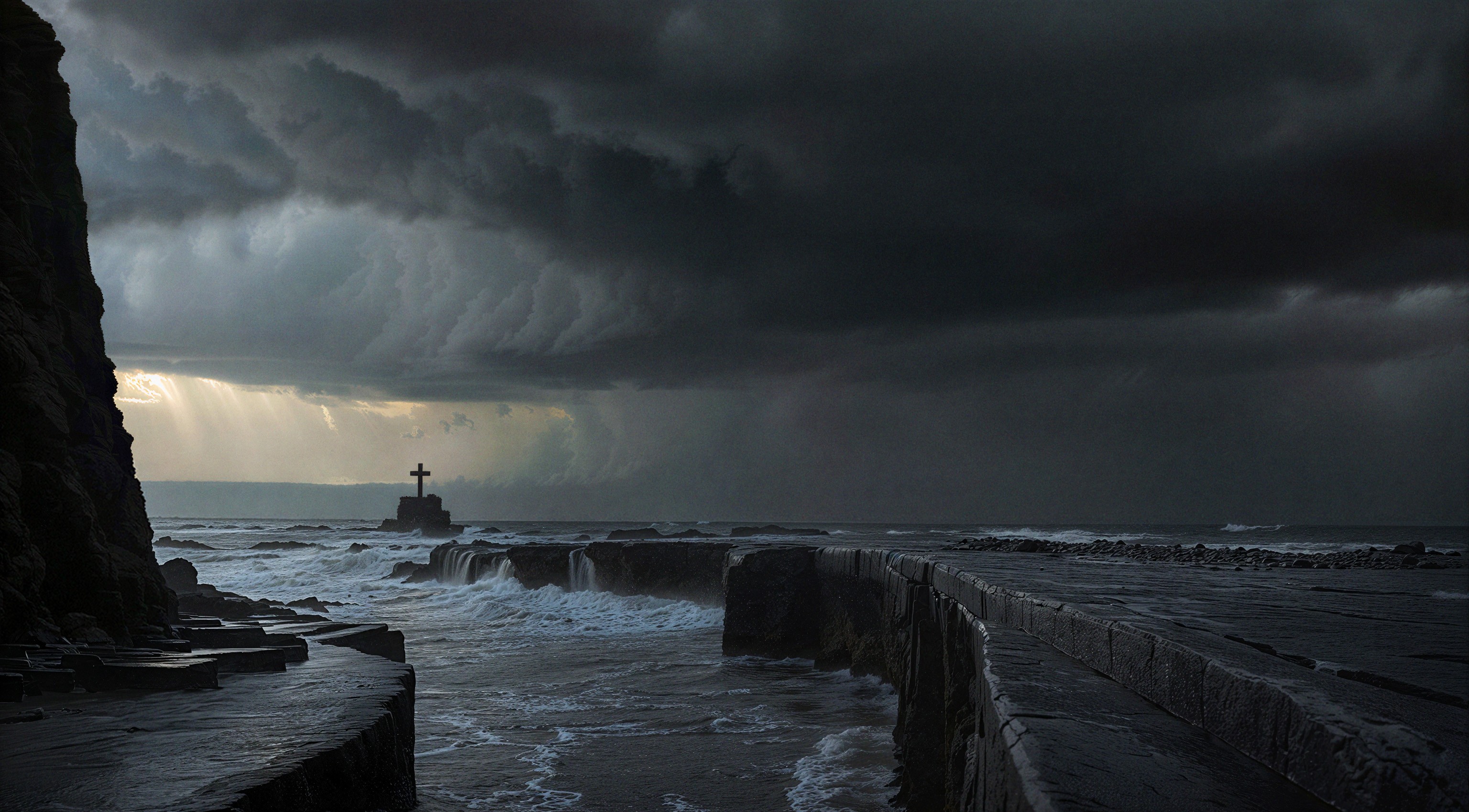
Once the whole is established, we move into the details. Our tools let us vary exactly what needs to vary, while everything already approved stays locked. We explore options without losing ground — until the final answer reveals itself.
.locations
Someone lives here — among the generators, the machinery. We start with the world: what kind of place is this, what is its function, what conflict shaped it? The room answers all of that. Nothing is placed for effect.
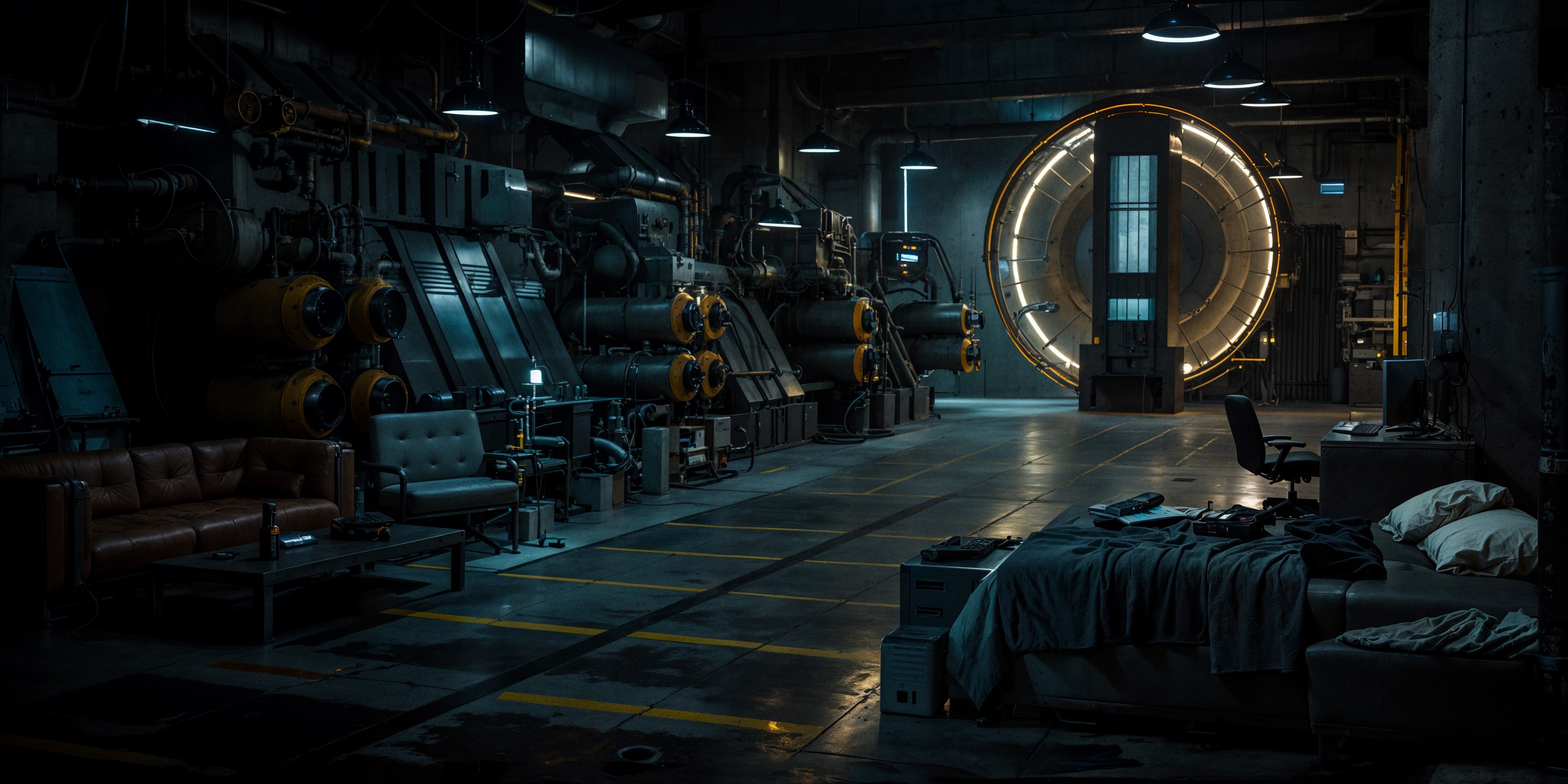
always about
the character
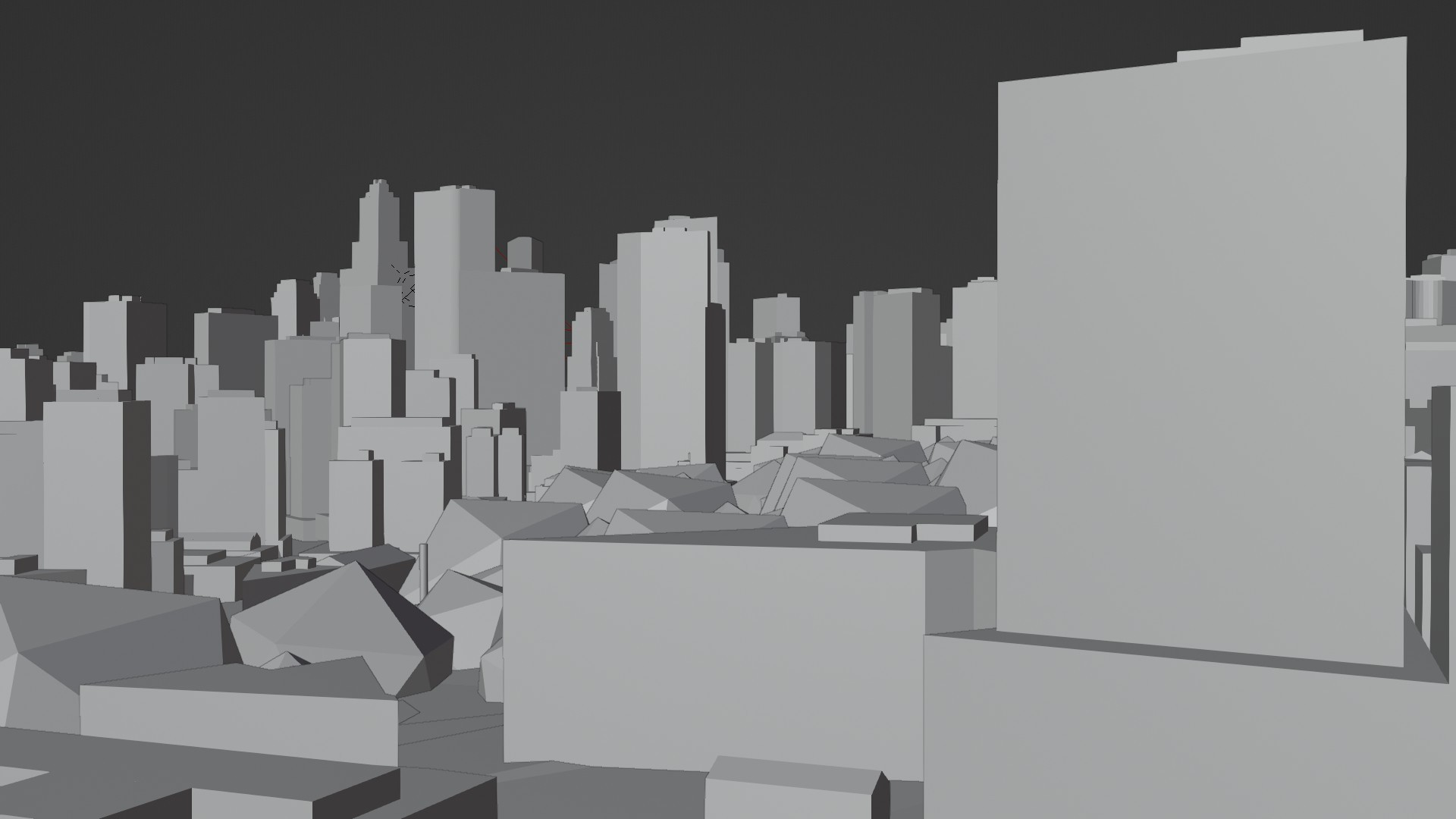
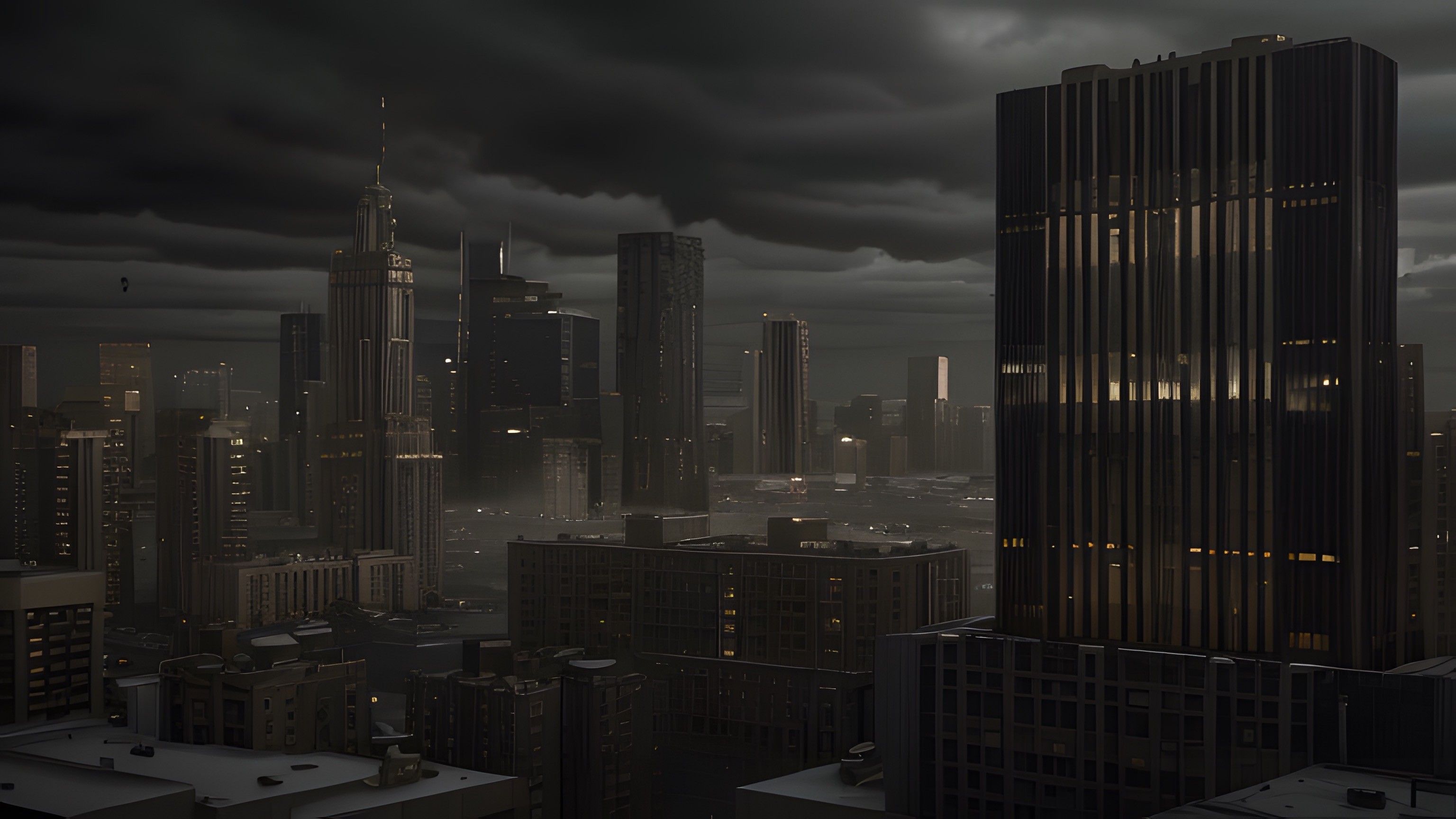
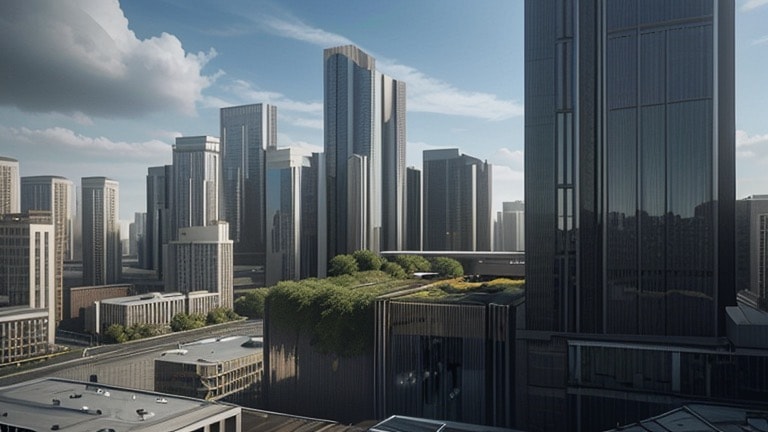
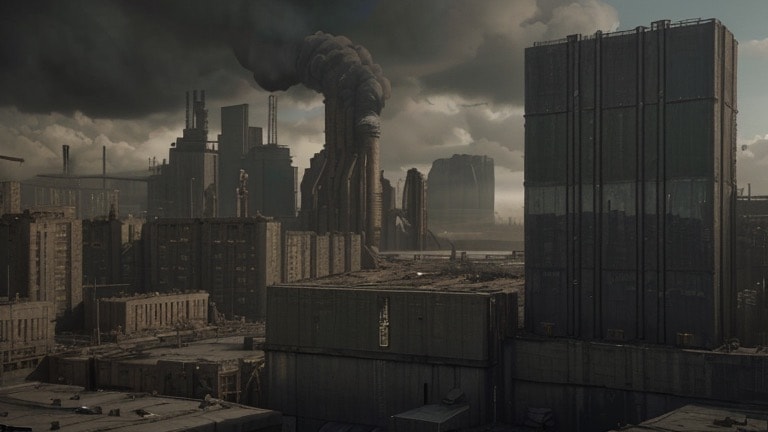
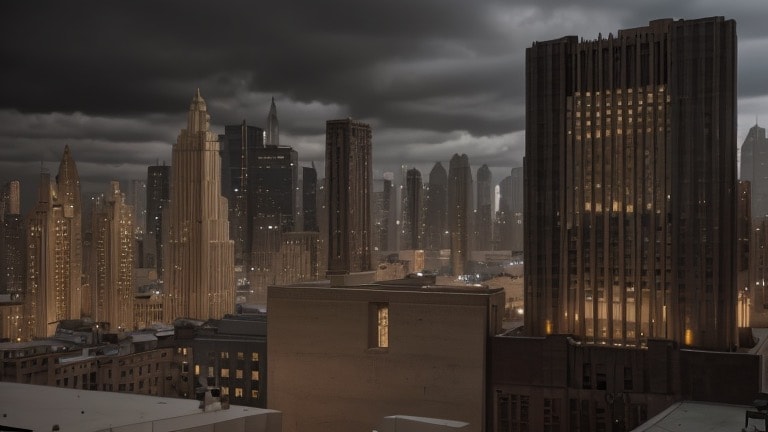
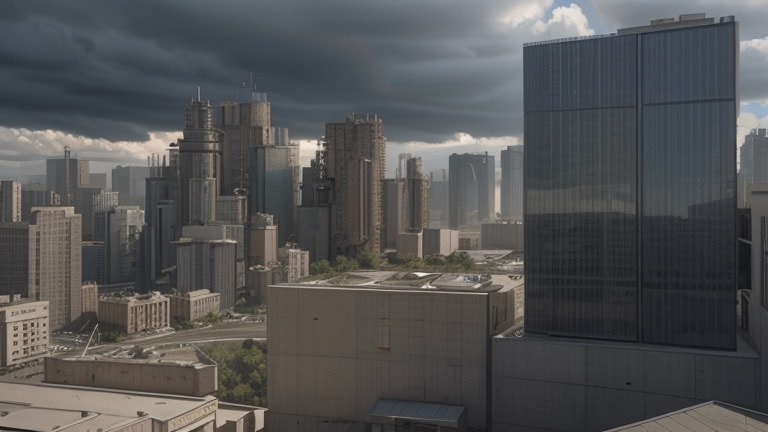
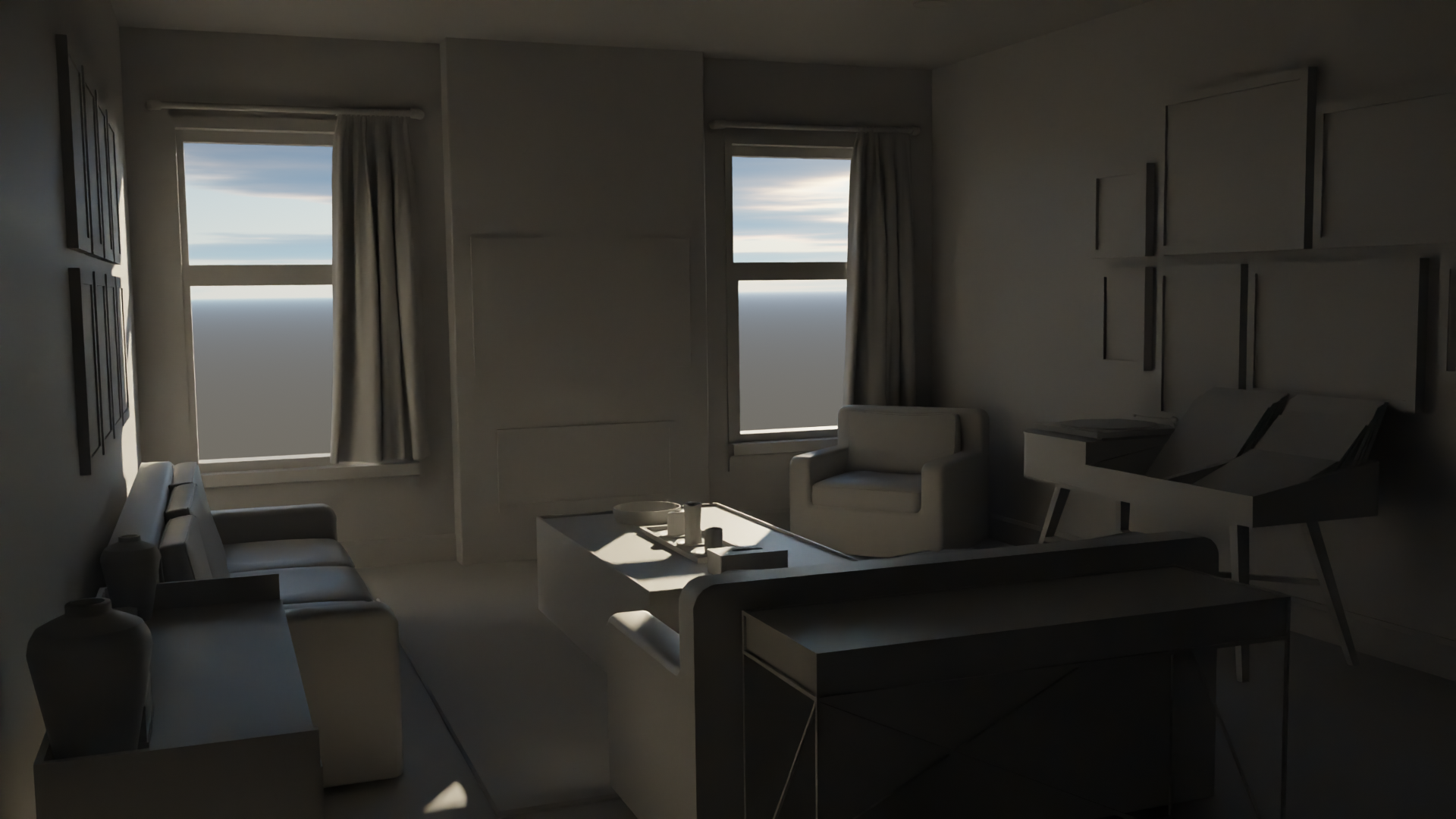
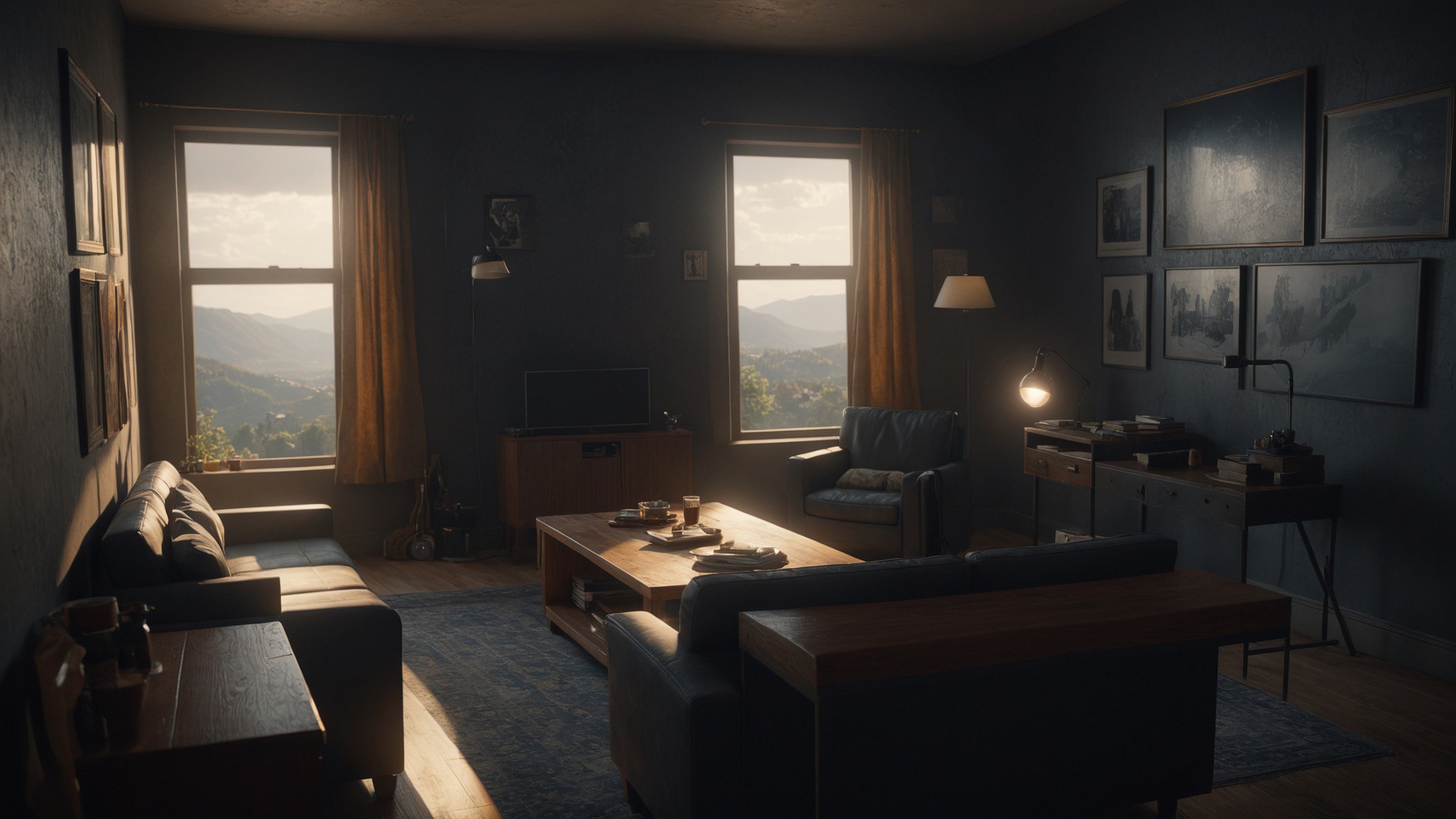
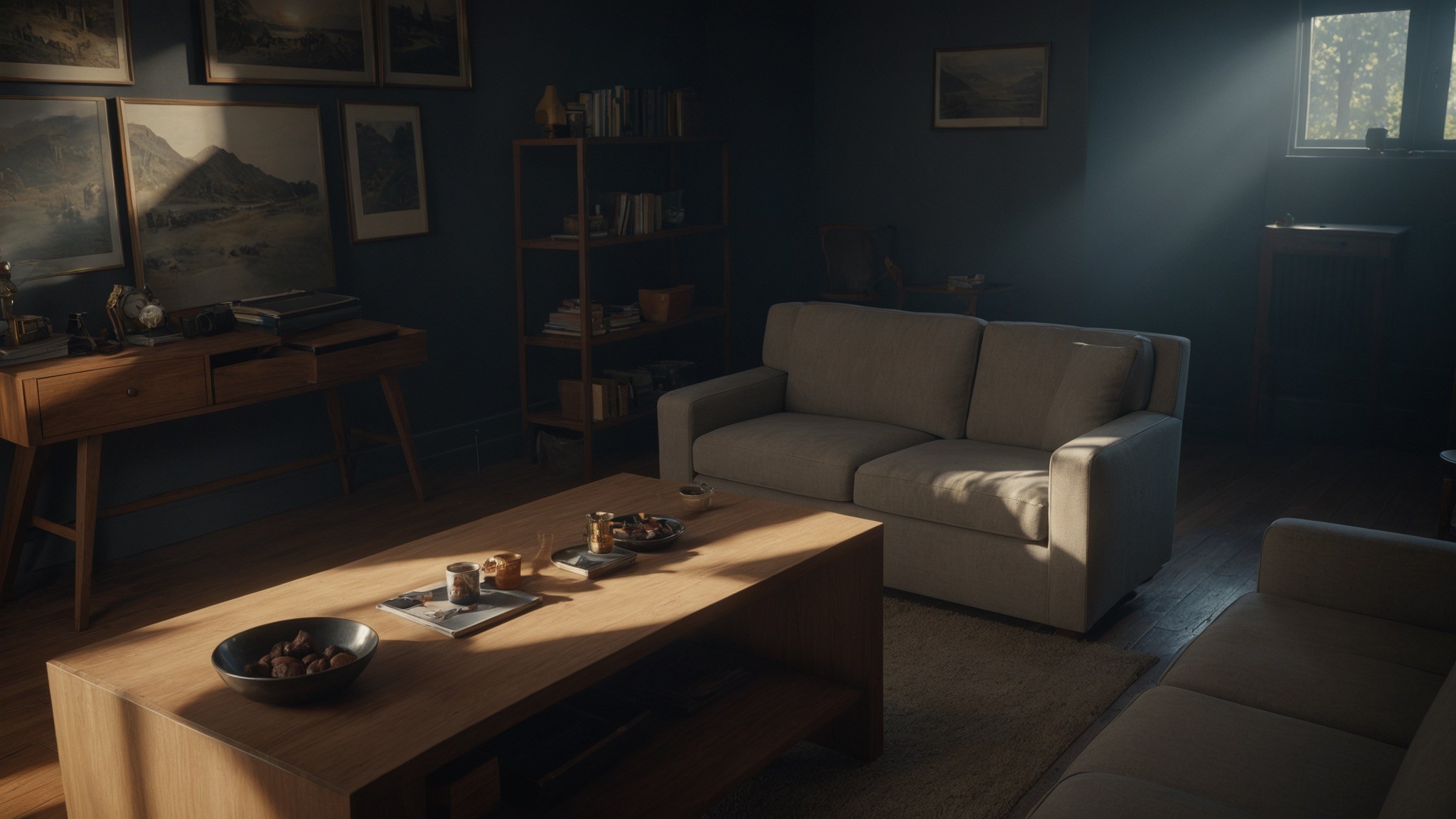
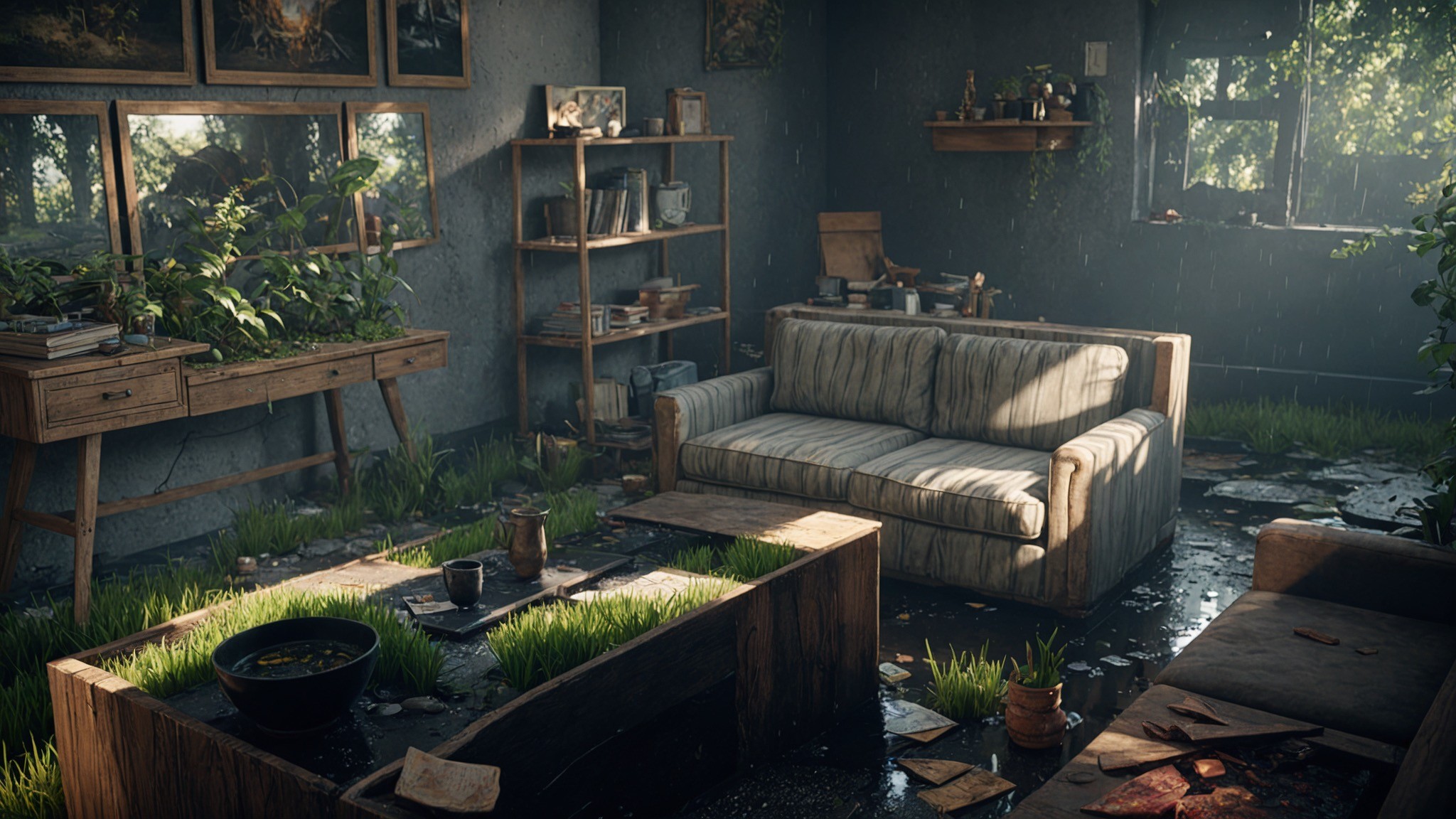
We block it out in 3D first — mass, structure, composition. No surfaces, no mood. Just space. Early enough to feel the location and the story’s genre before any foundations are set. From that single base, we explore several directions: architecture, lighting, atmosphere, visual language. Same bones, completely different worlds.
We start
before you do
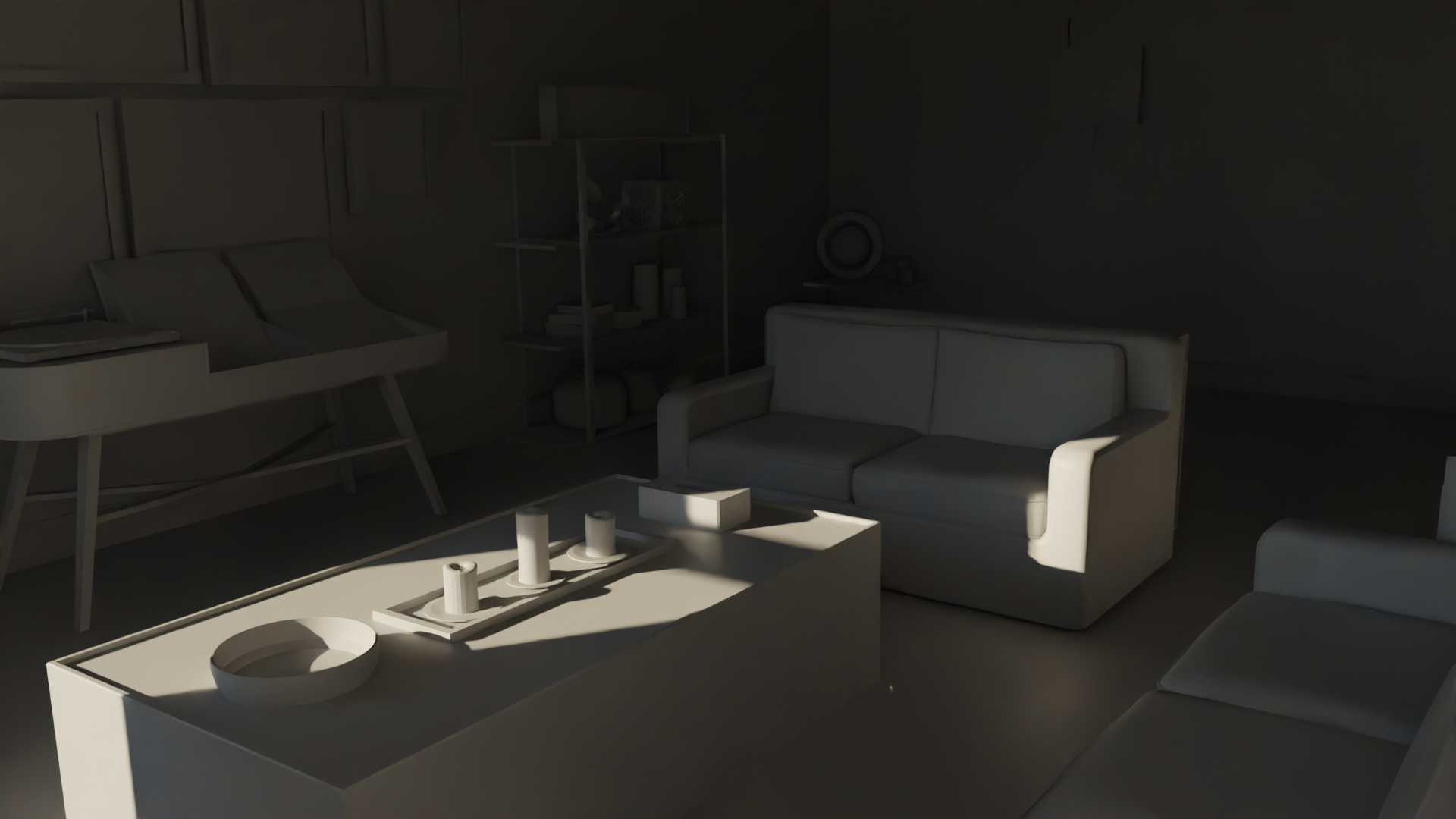
We block it out in 3D first — mass, structure, composition. No surfaces, no mood. Just space. Early enough to feel the location and the story’s genre before any foundations are set. From that single base, we explore several directions: architecture, lighting, atmosphere, visual language. Same bones, completely different worlds.
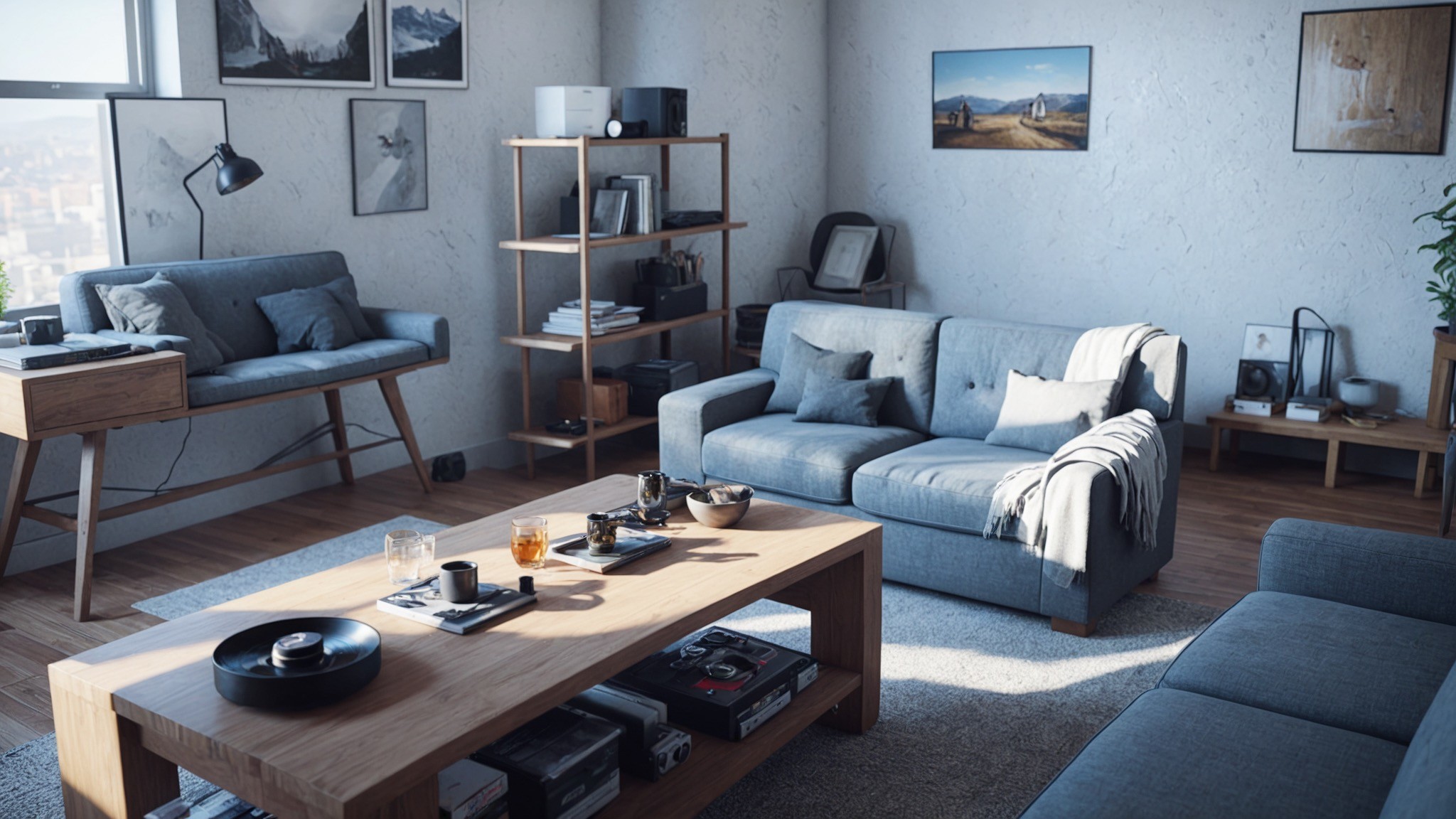
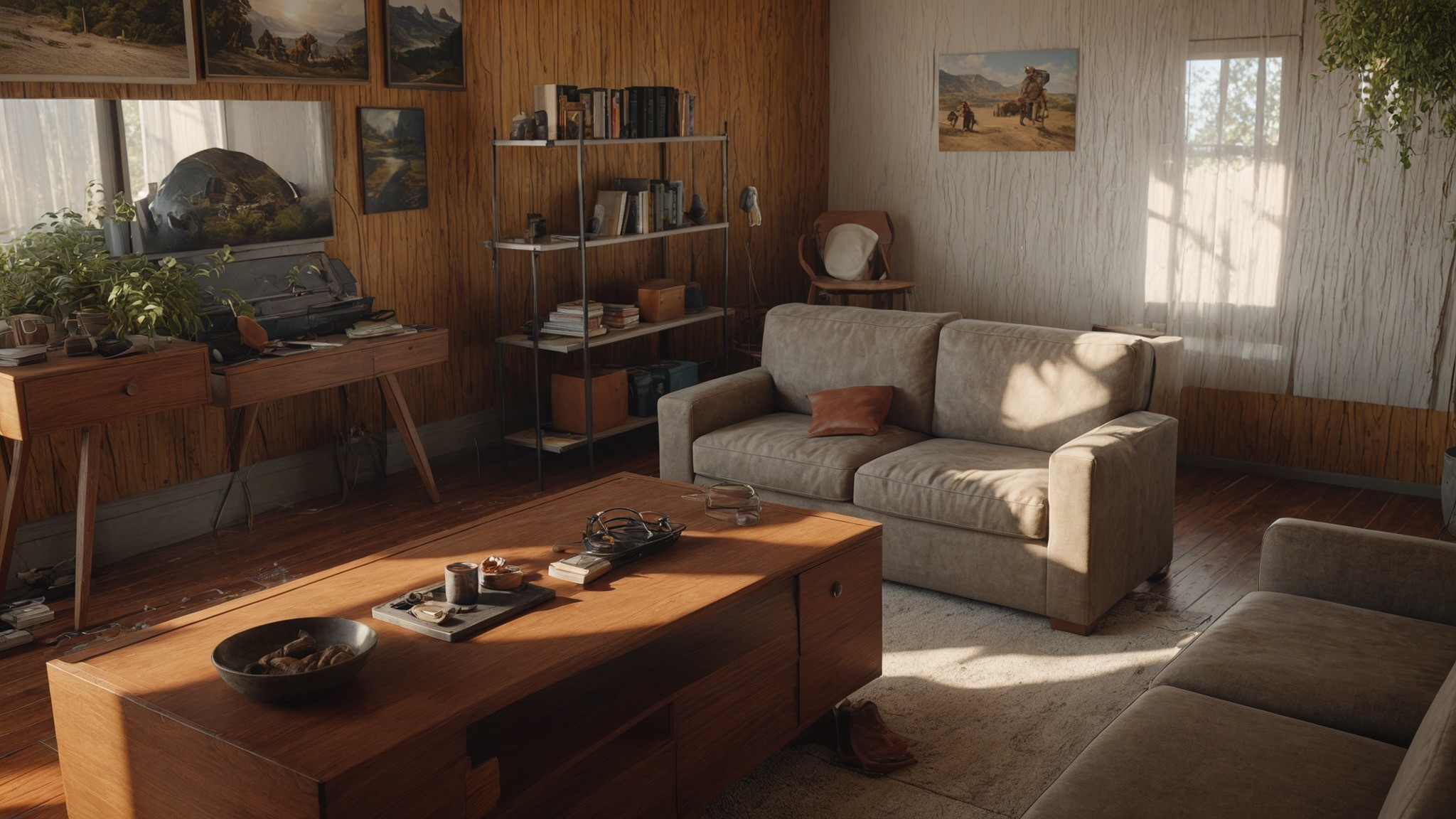
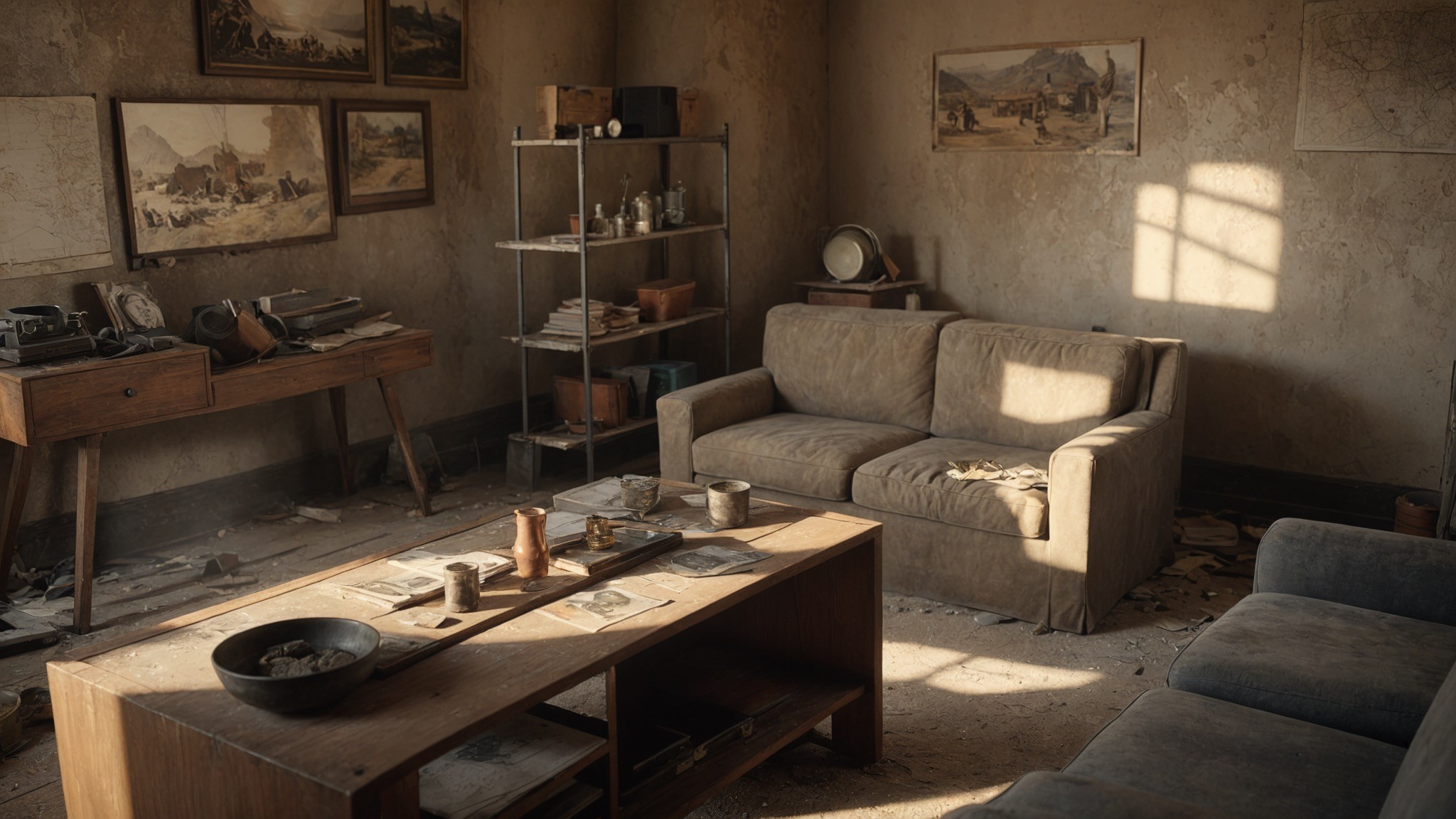
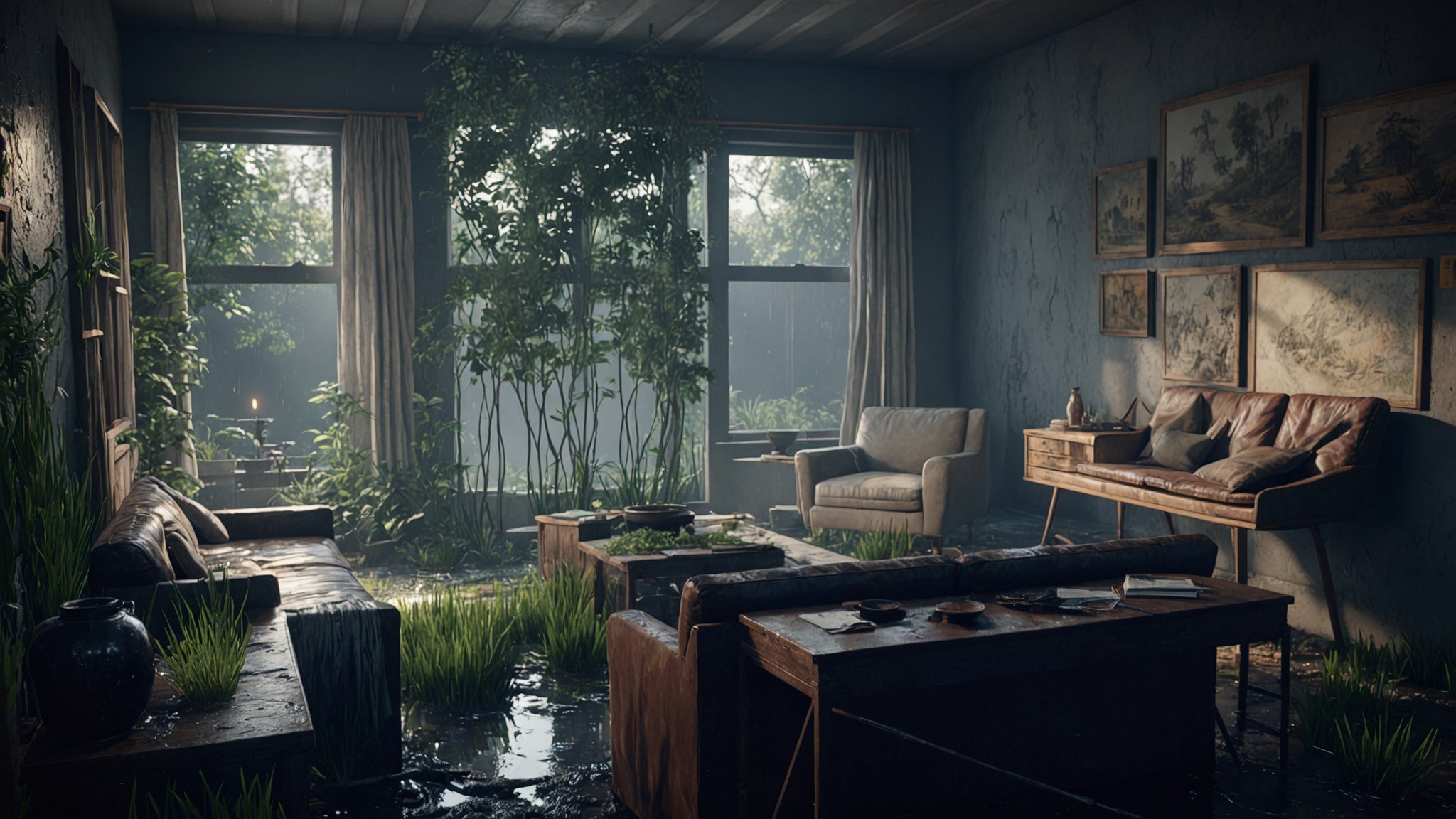
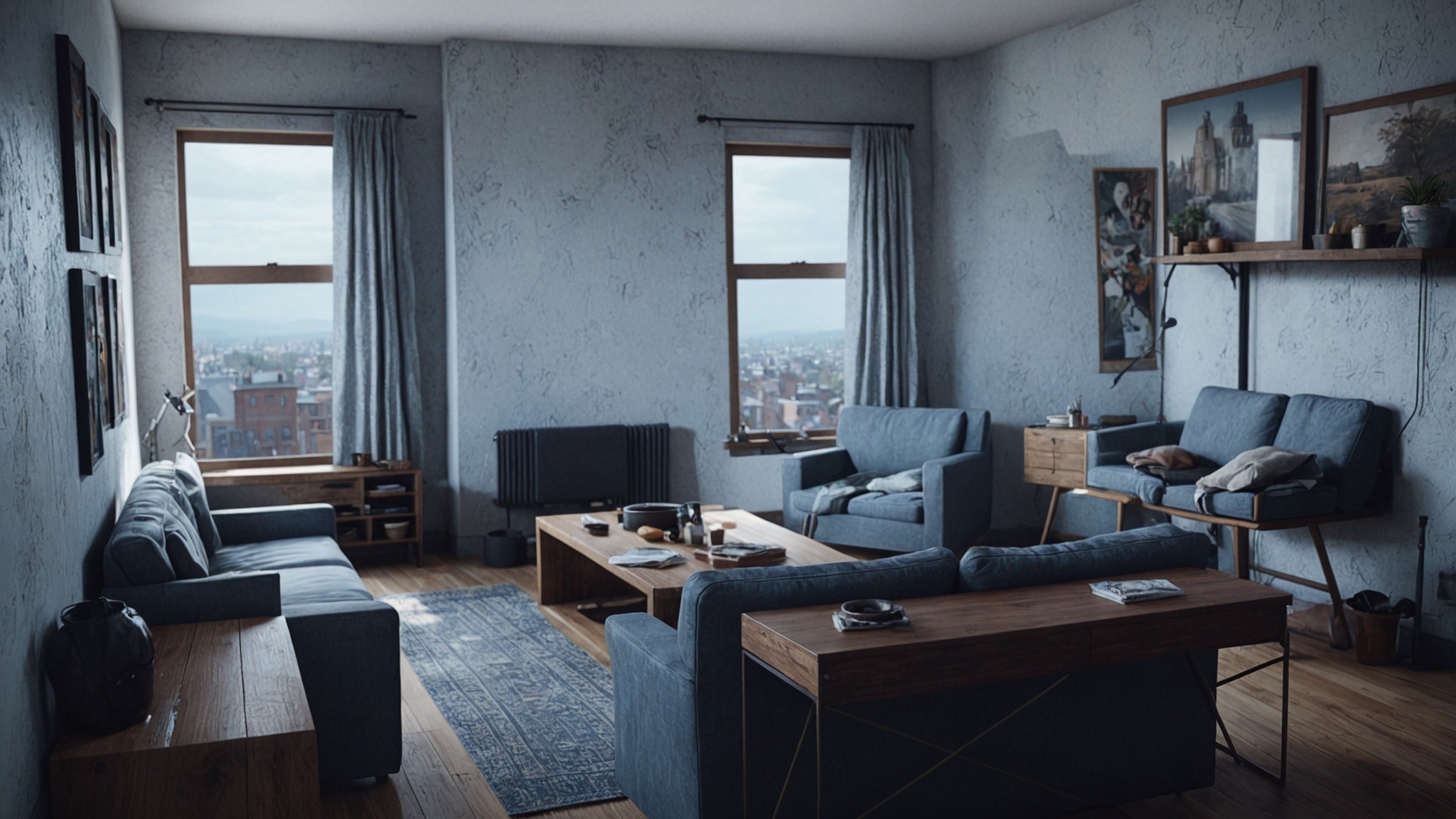
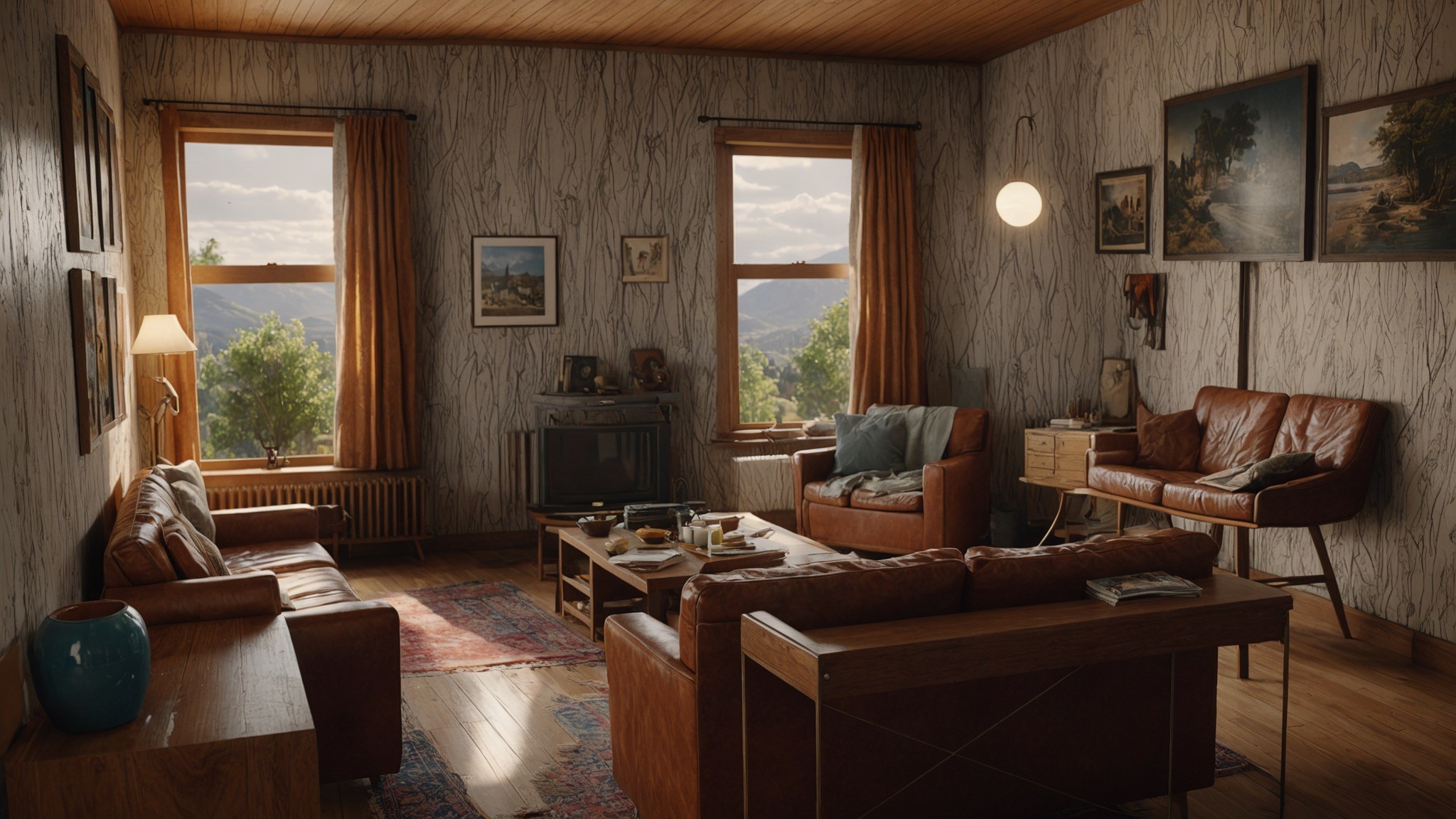
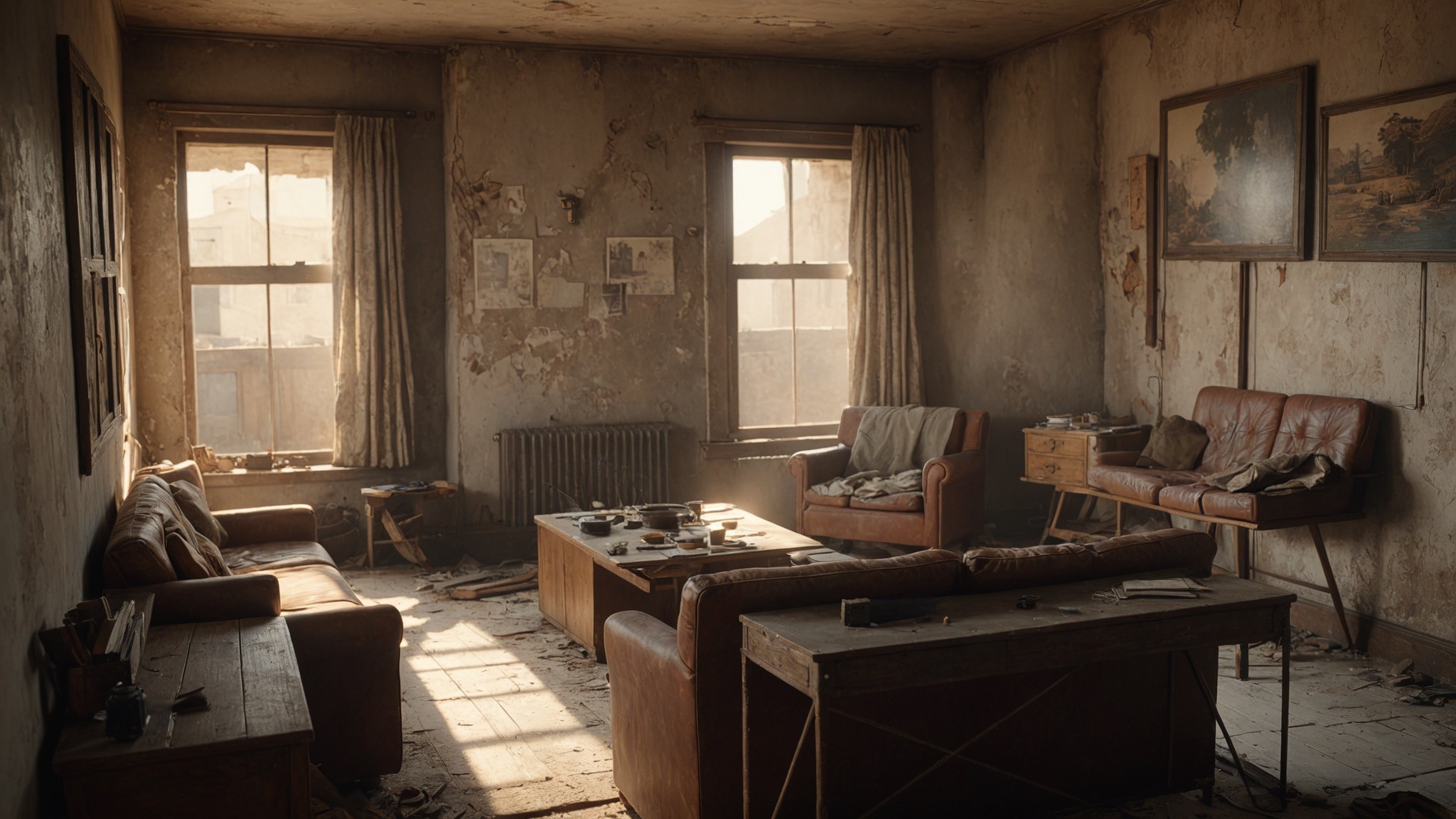
From mass
to detail
Nature has a job in the frame — balance, atmosphere, a sense of the world. We design natural locations around that, test them against the story, and adjust until they earn their place.
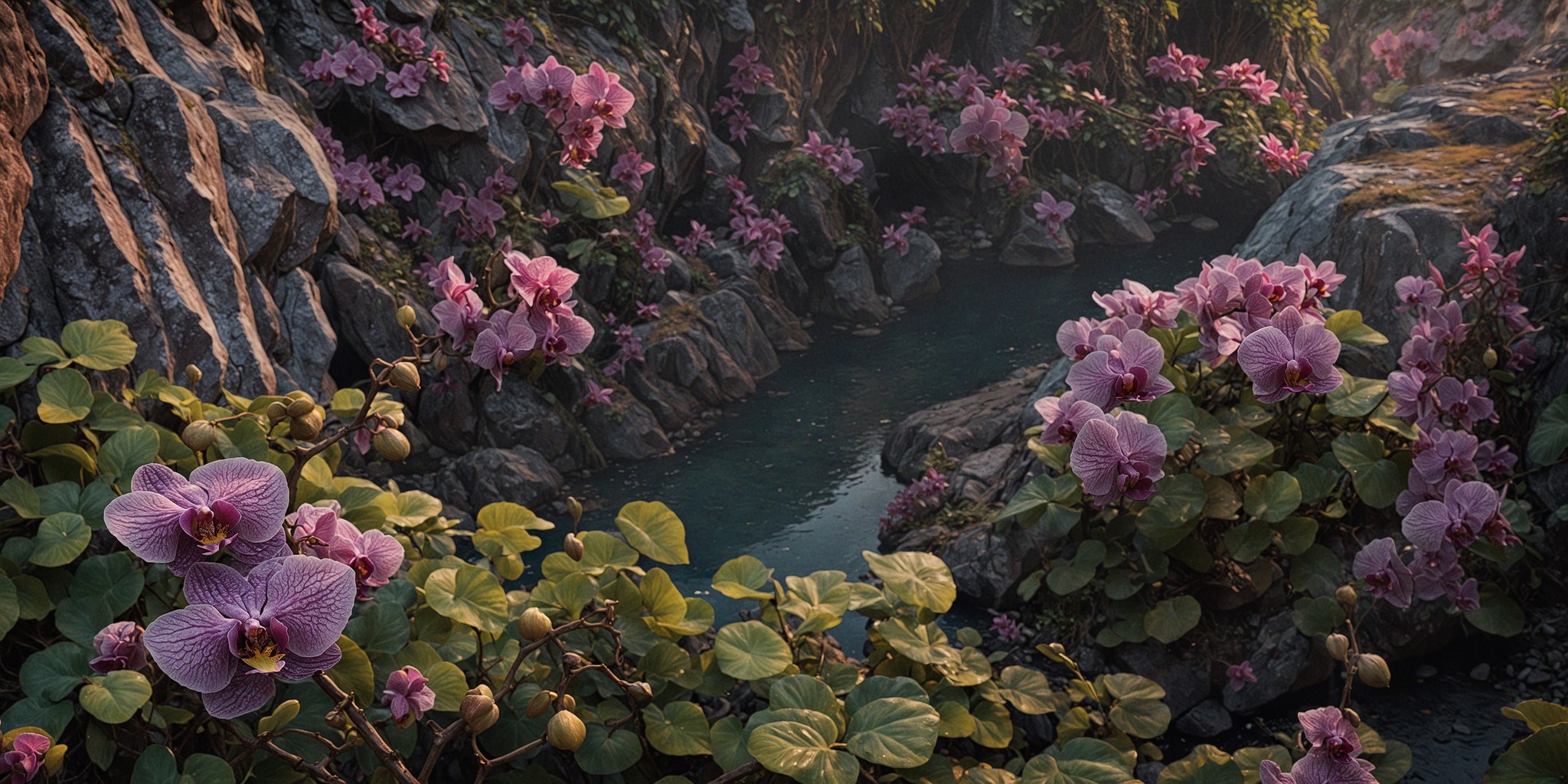
Designing
nature
Victorian drawing rooms, baroque halls, grand libraries — the audience has seen it all. A thousand times. That means the visual language is already loaded with expectations. You can’t reinvent it. But you can find an angle nobody has taken — the combination, the detail, the framing that makes something familiar feel new. That’s the conceptual work. And that’s where we come in.
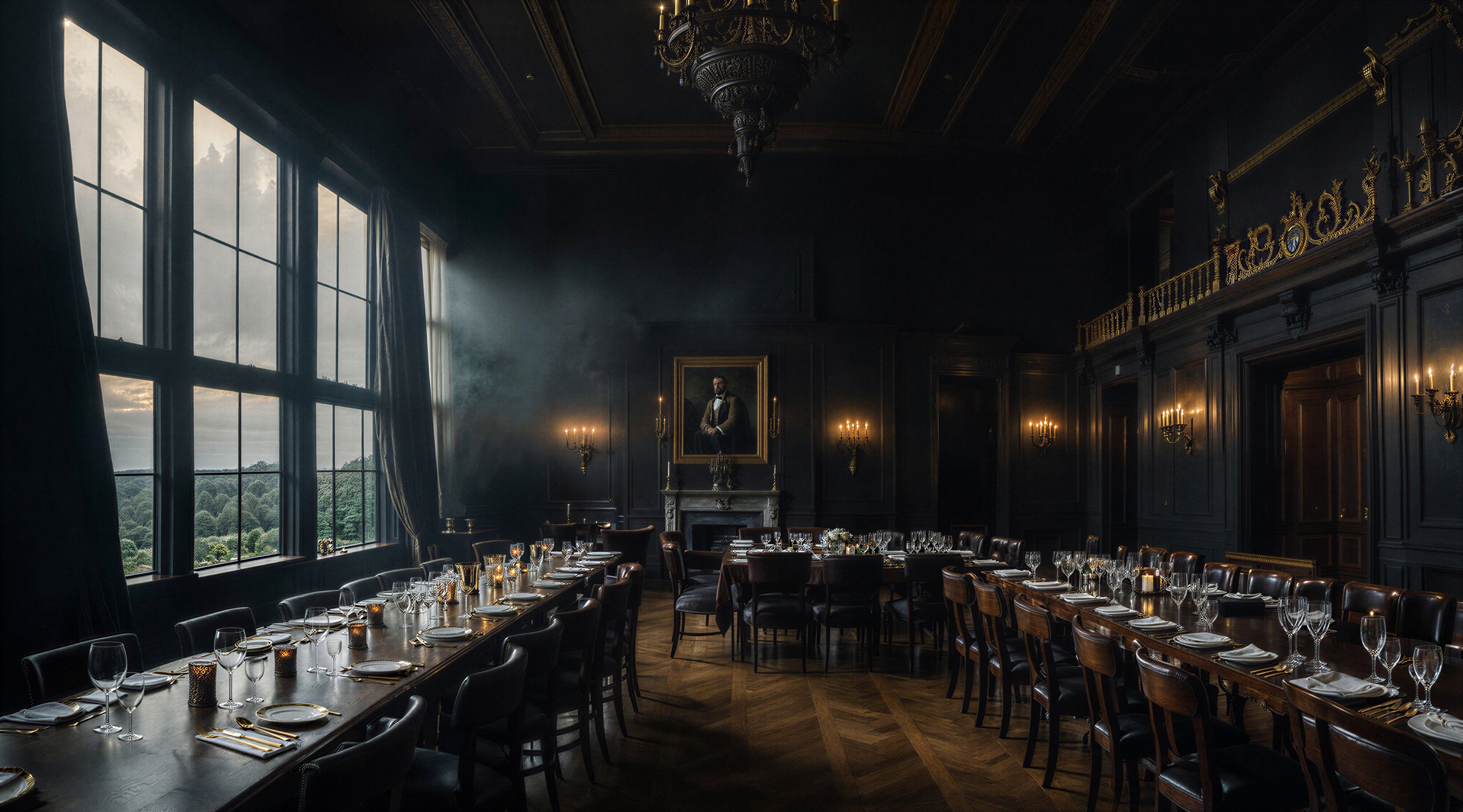
Working
with classics
Standard AI tools do one thing well — they reproduce what already exists. That’s useful. But it’s not development. We’re developers first — with real on-set experience and a pipeline built specifically to move beyond the familiar. AI makes us fast. Thinking makes us different.
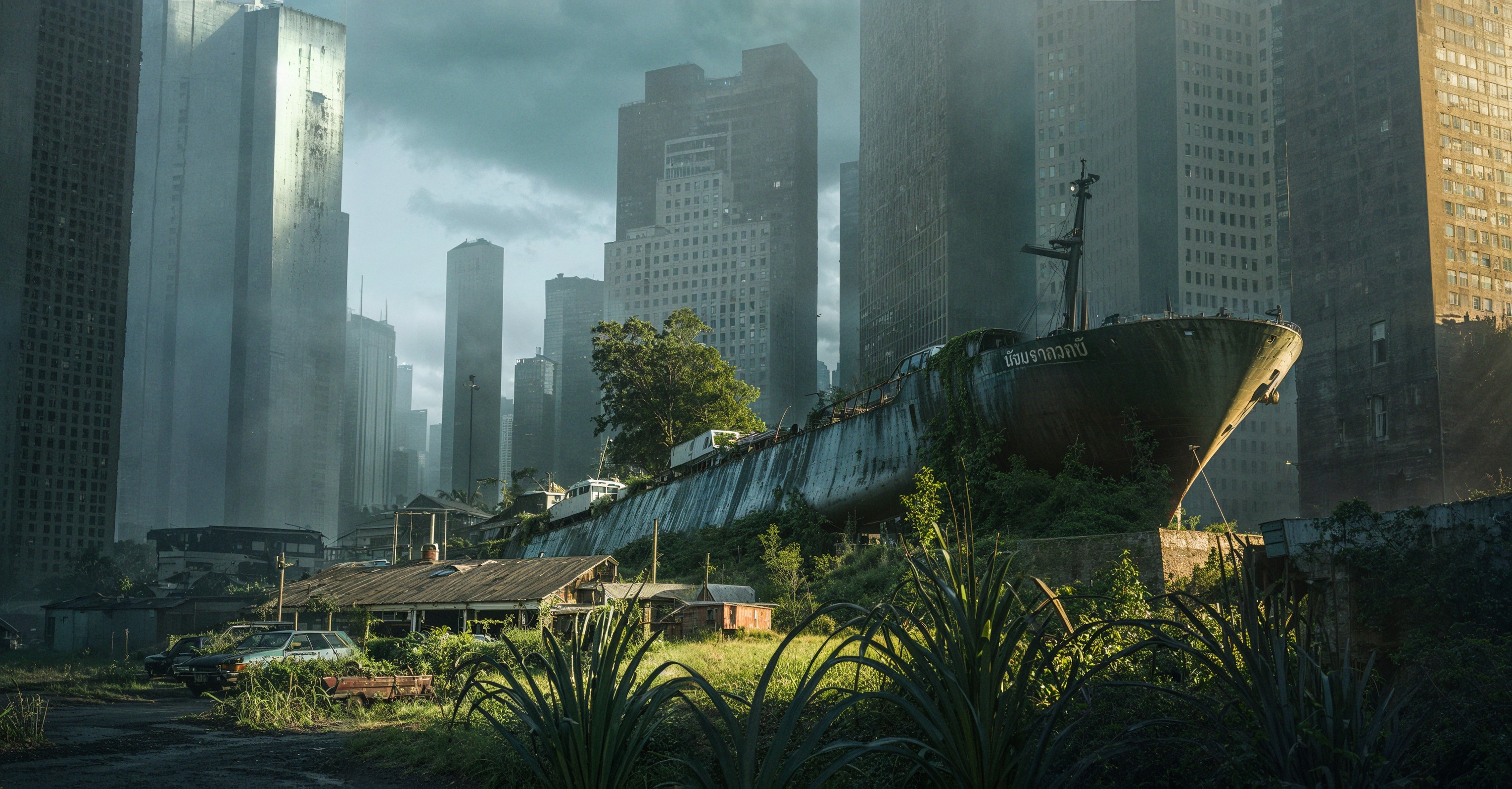
Inventing,
not reproducing
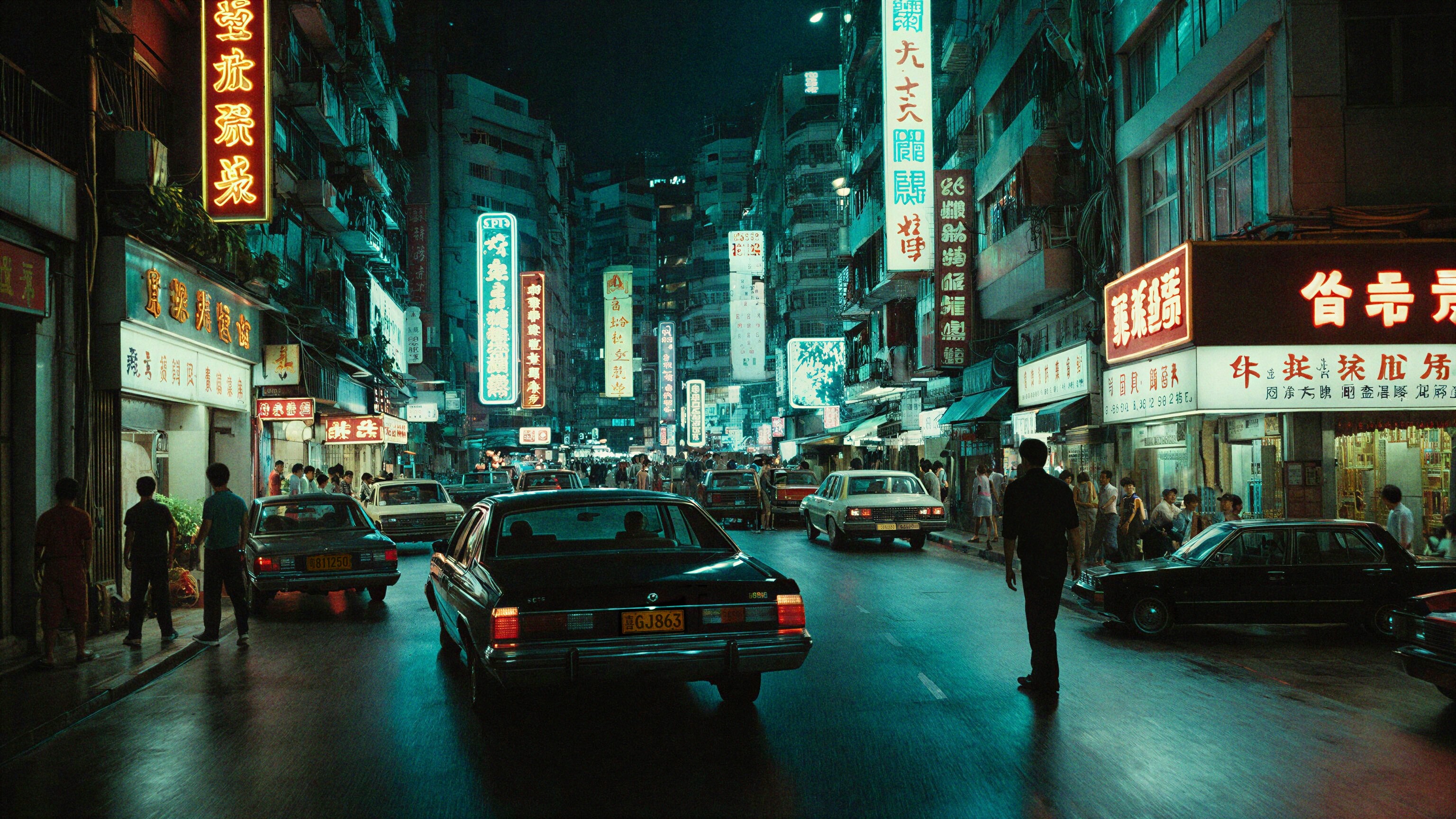
.keySHOTS
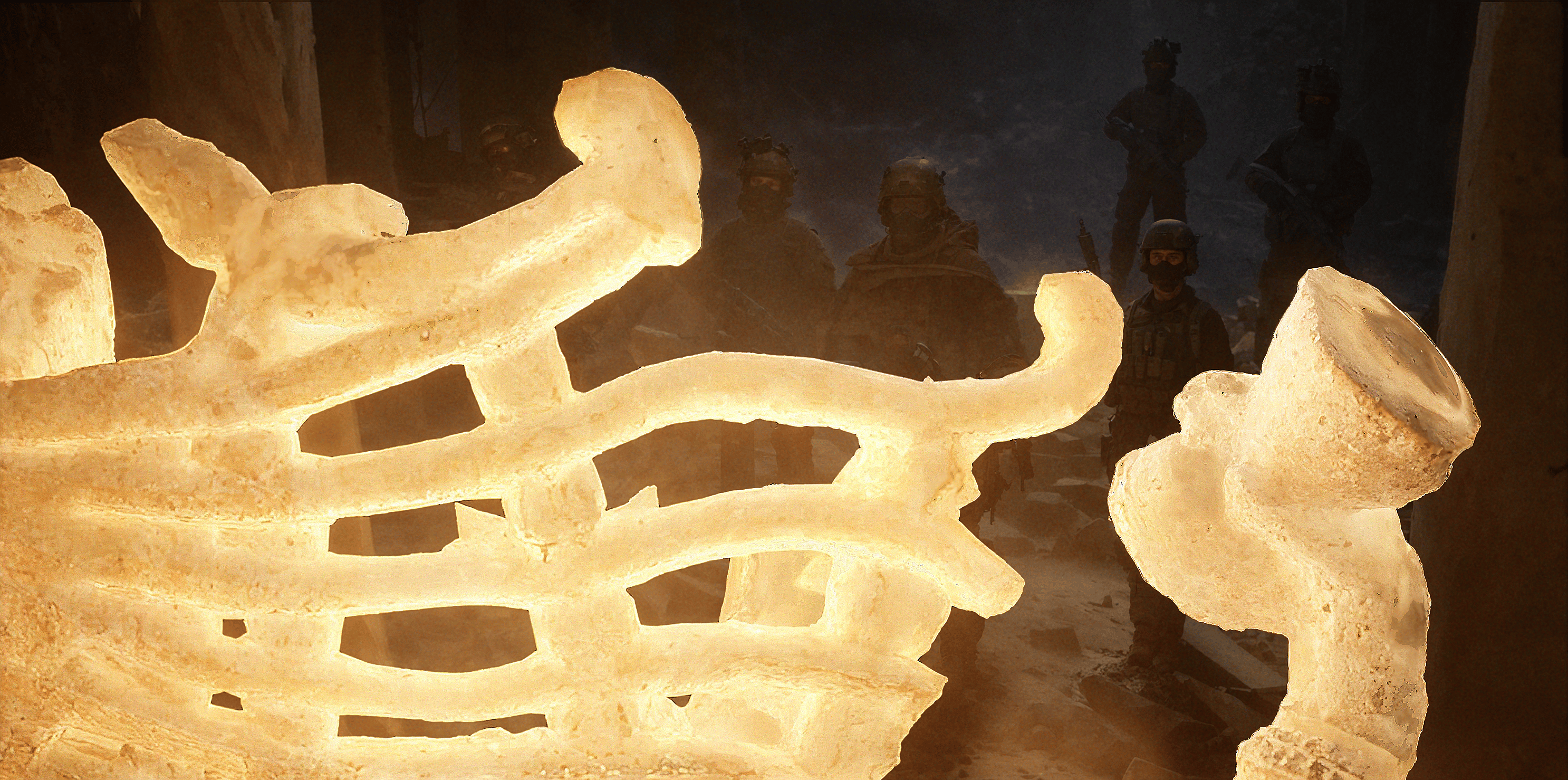
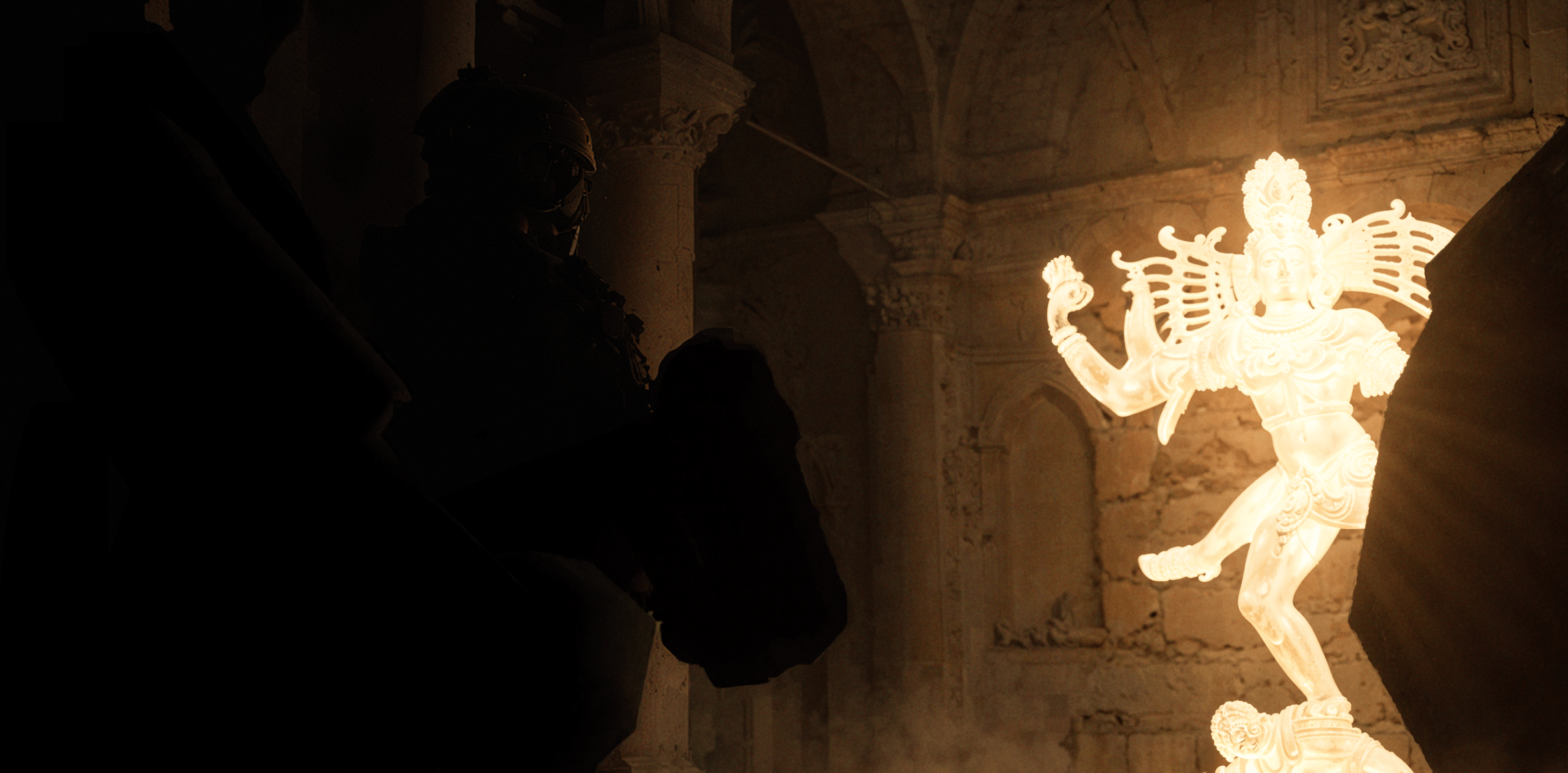
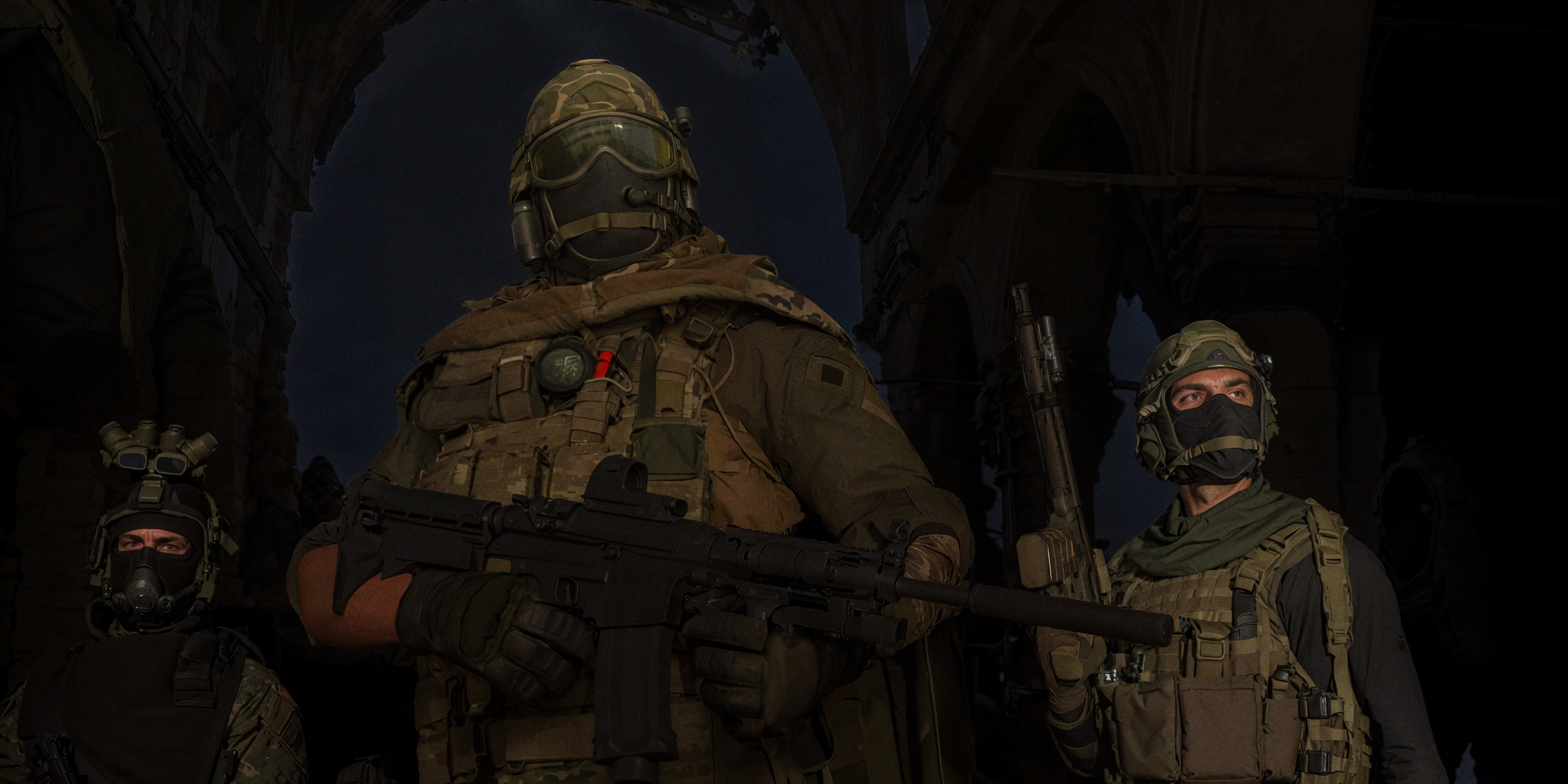
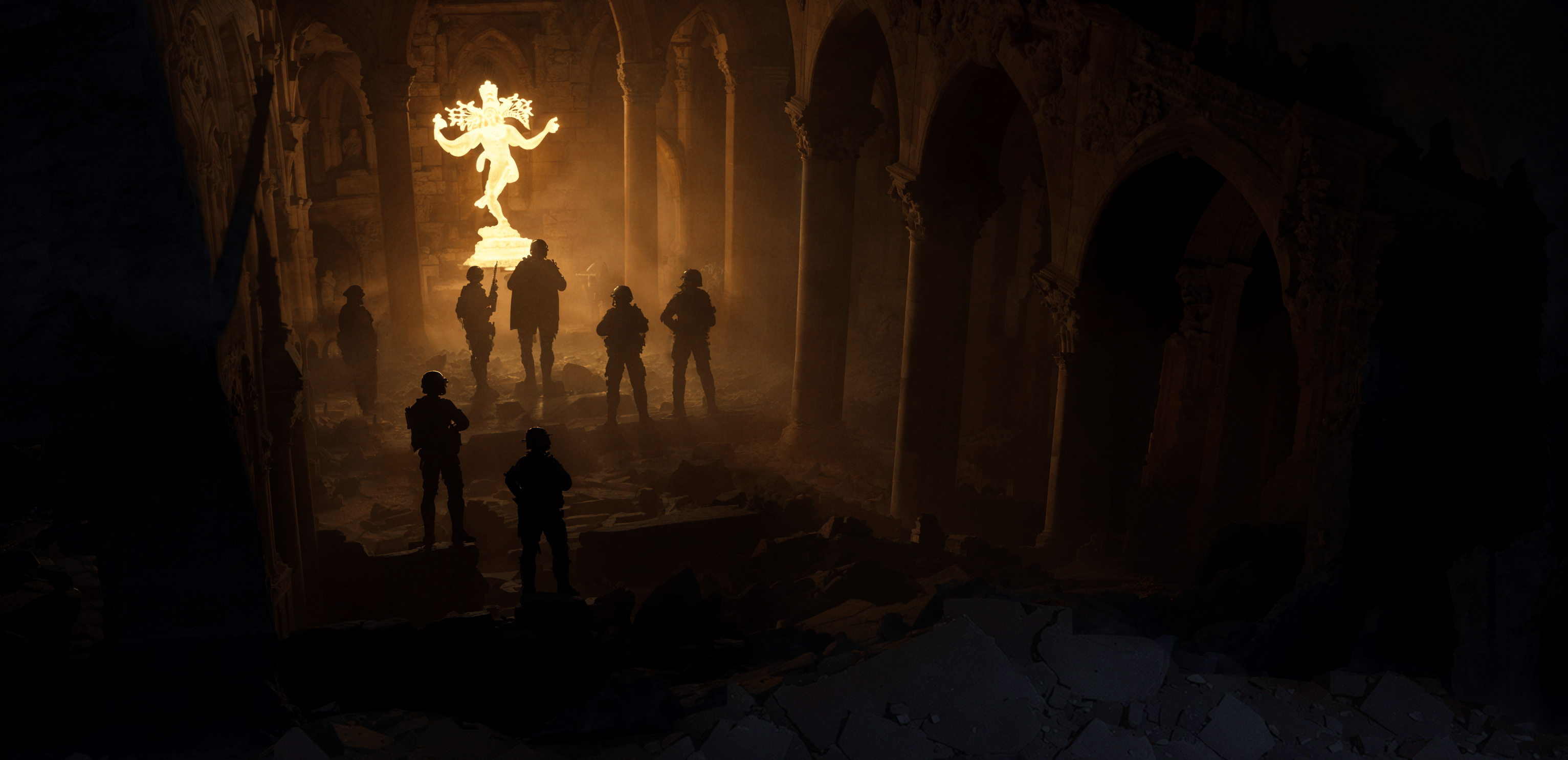
Characters, locations, camera — we put it all in the frame and see what happens. Different angles, different positions, different ways through the space. By the time production starts, the interesting shots are already found. And you know exactly what still needs work.
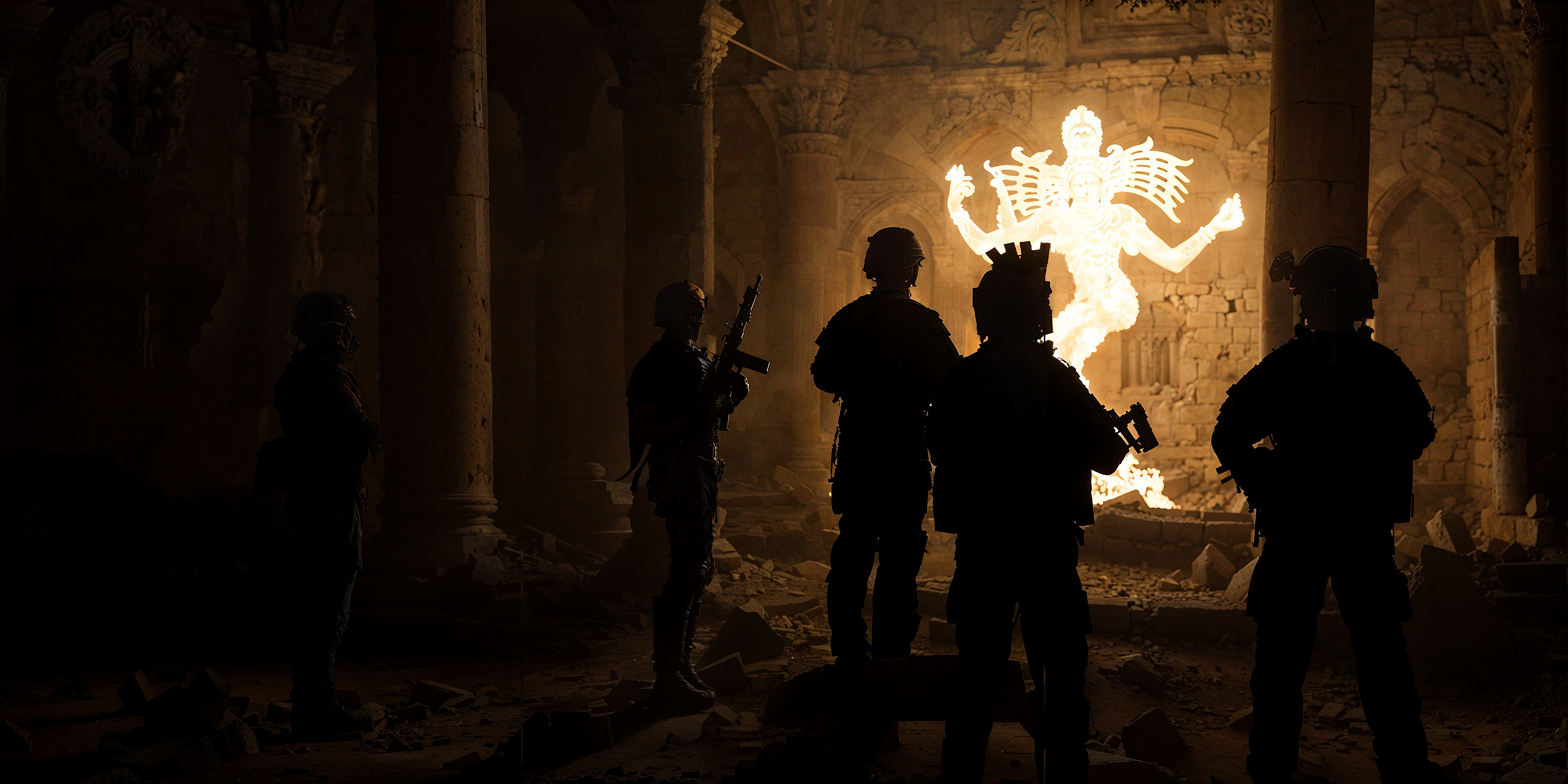
FRAMING
BEFORE FILMING
Every frame exists in the same world. Same style, same lighting logic, same rules — across every scene and every location.
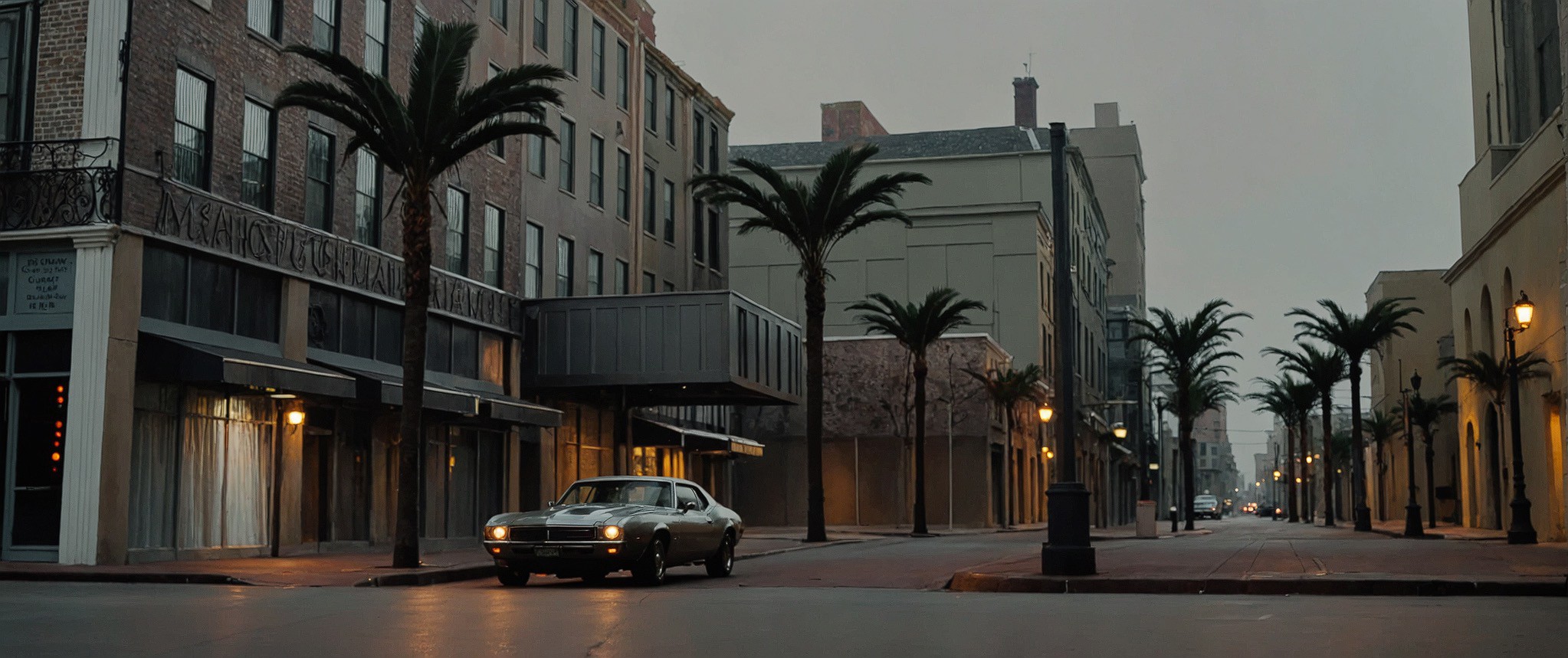
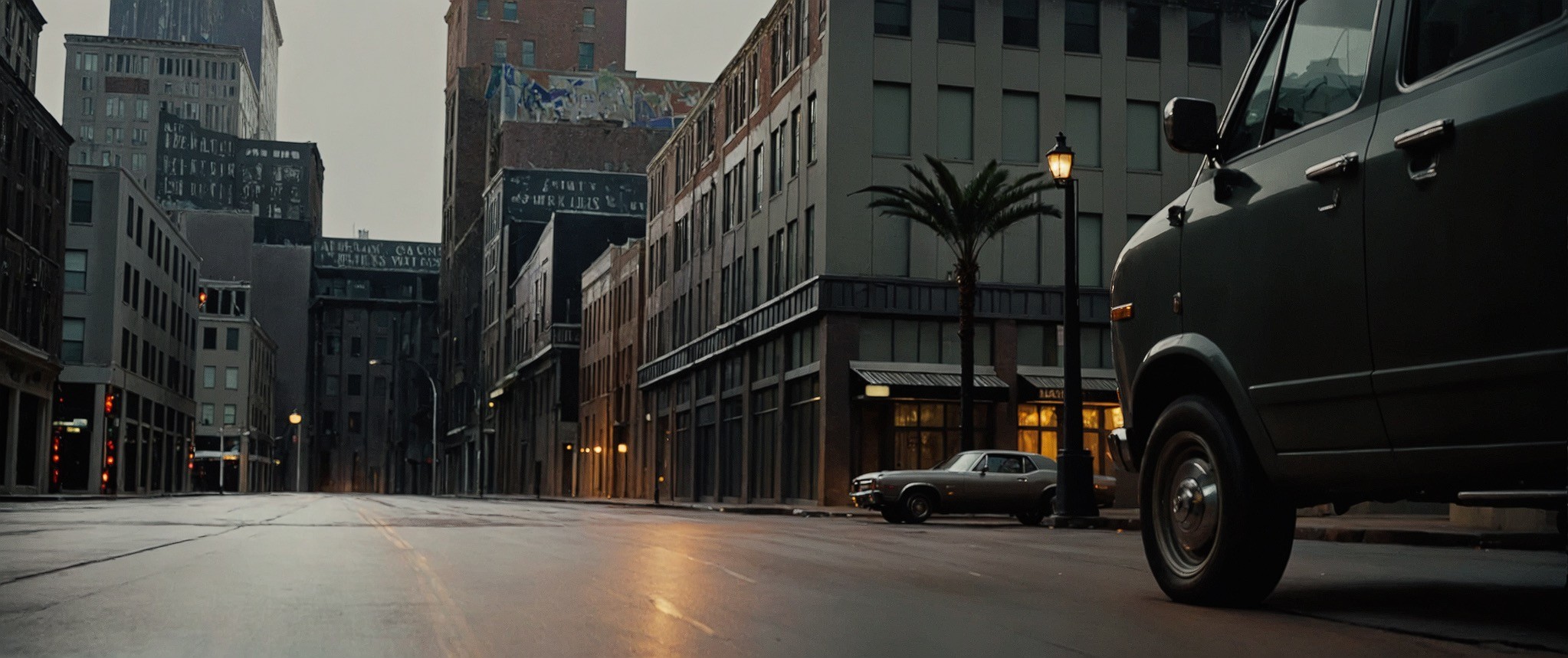
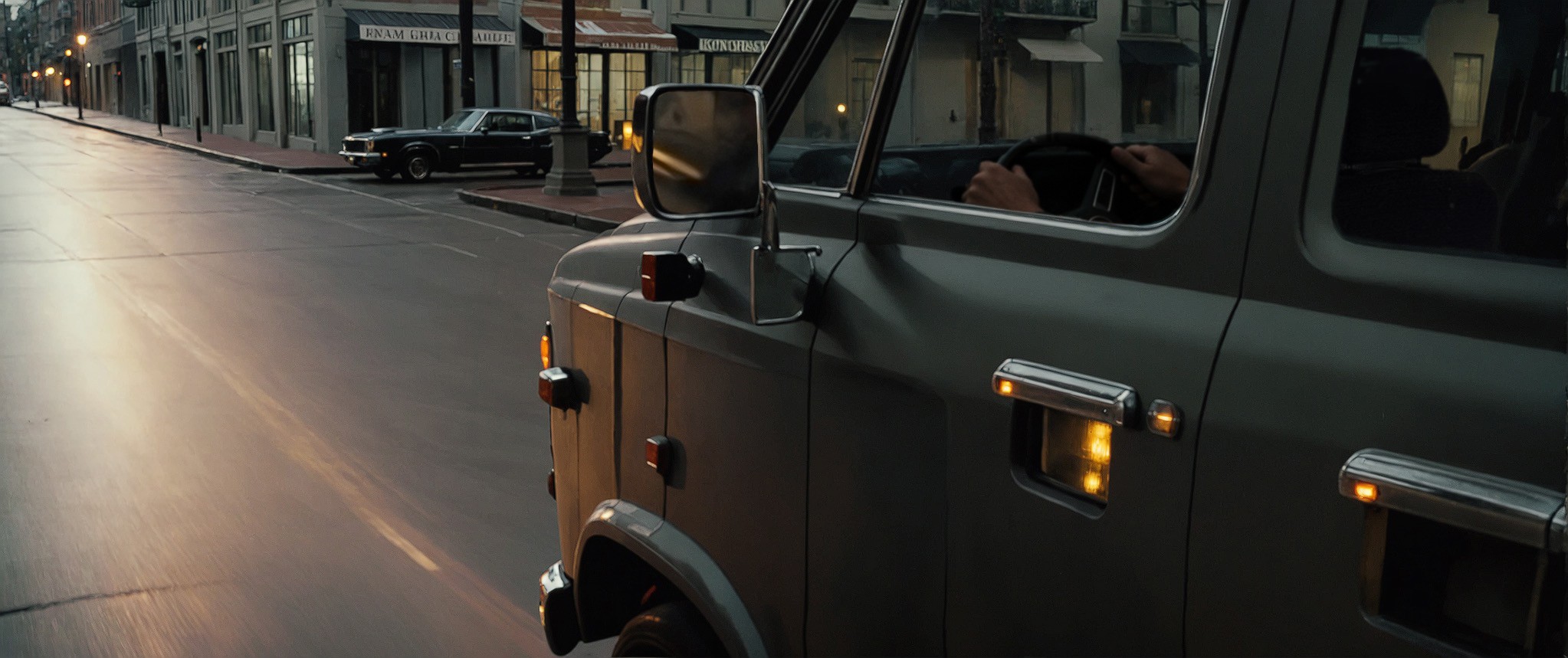
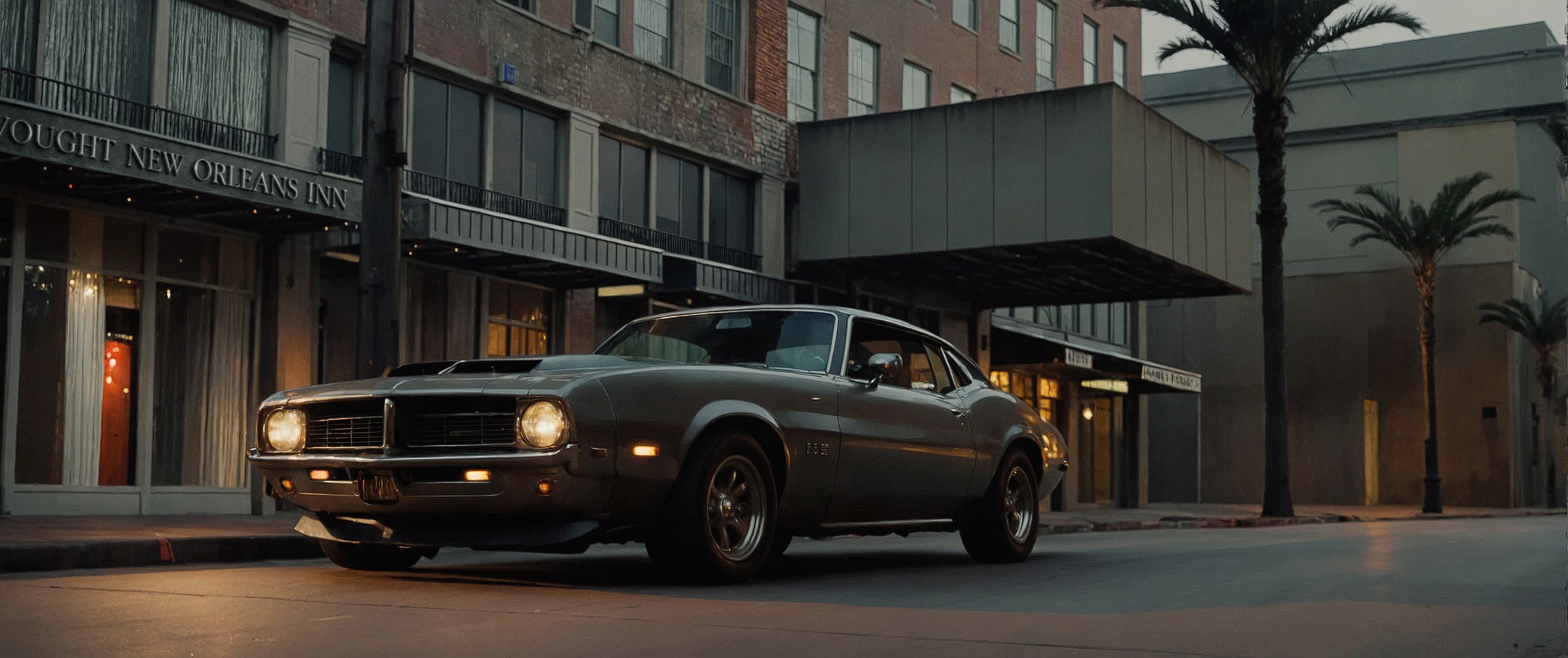
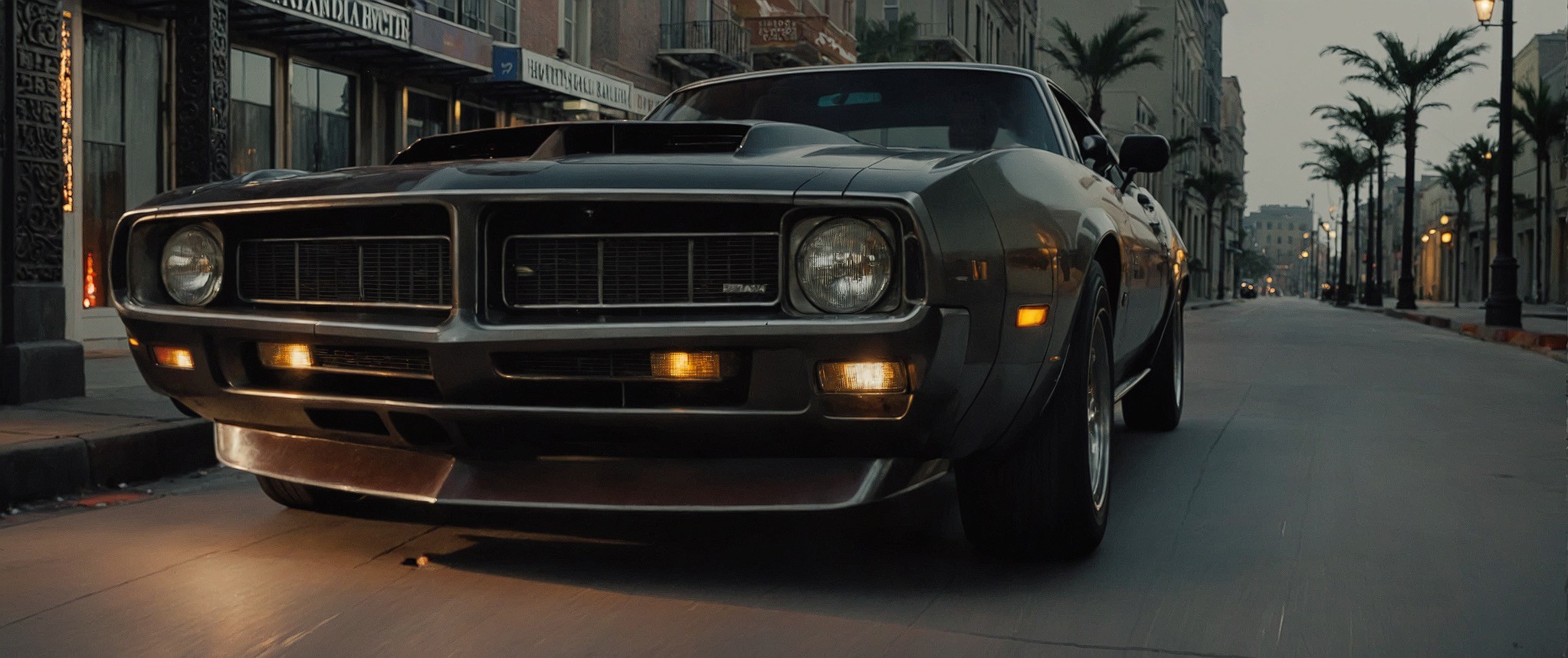
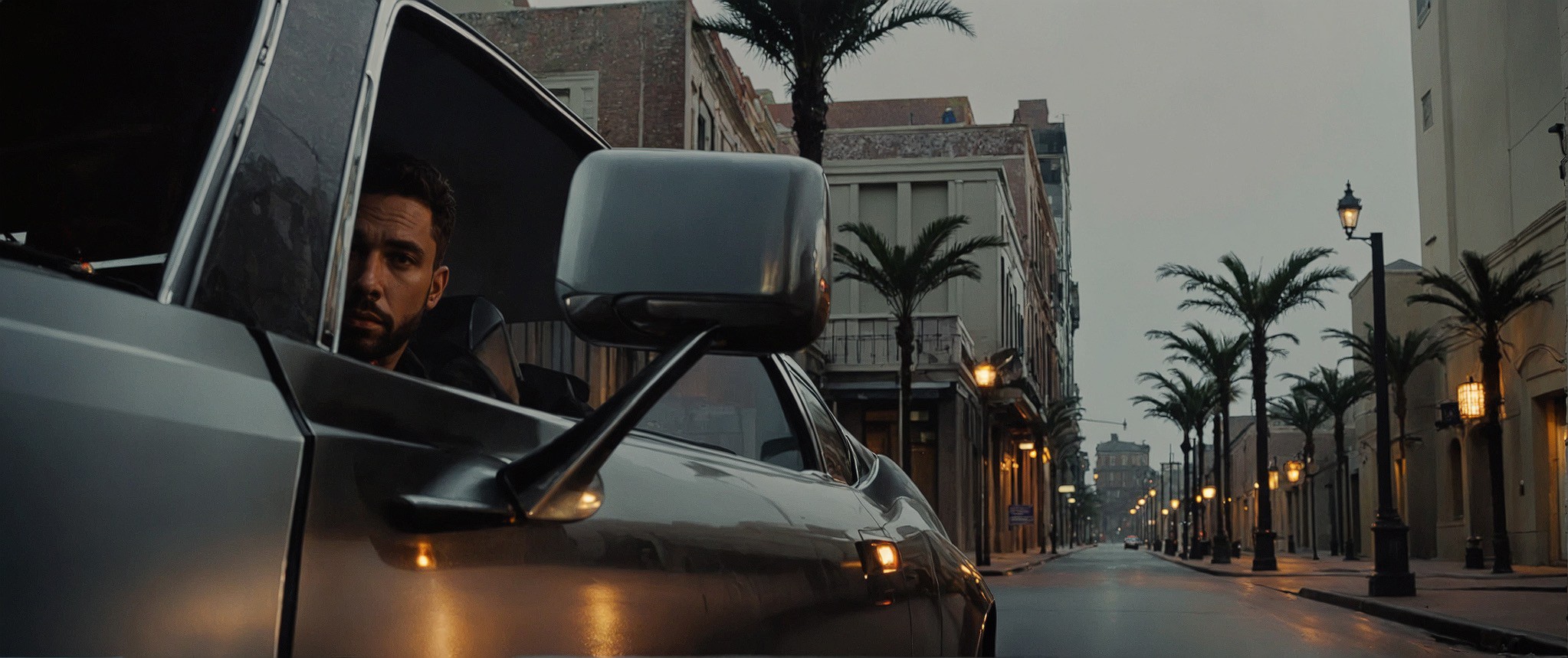
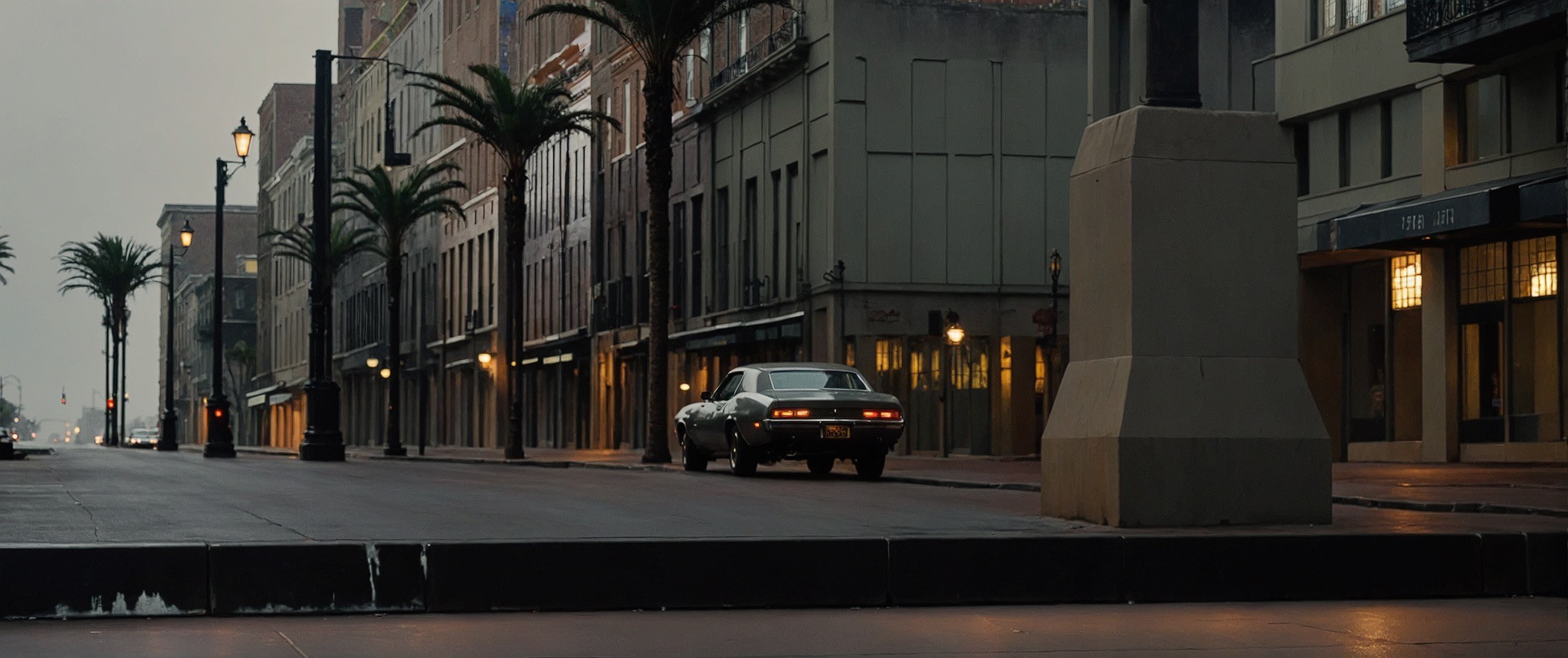
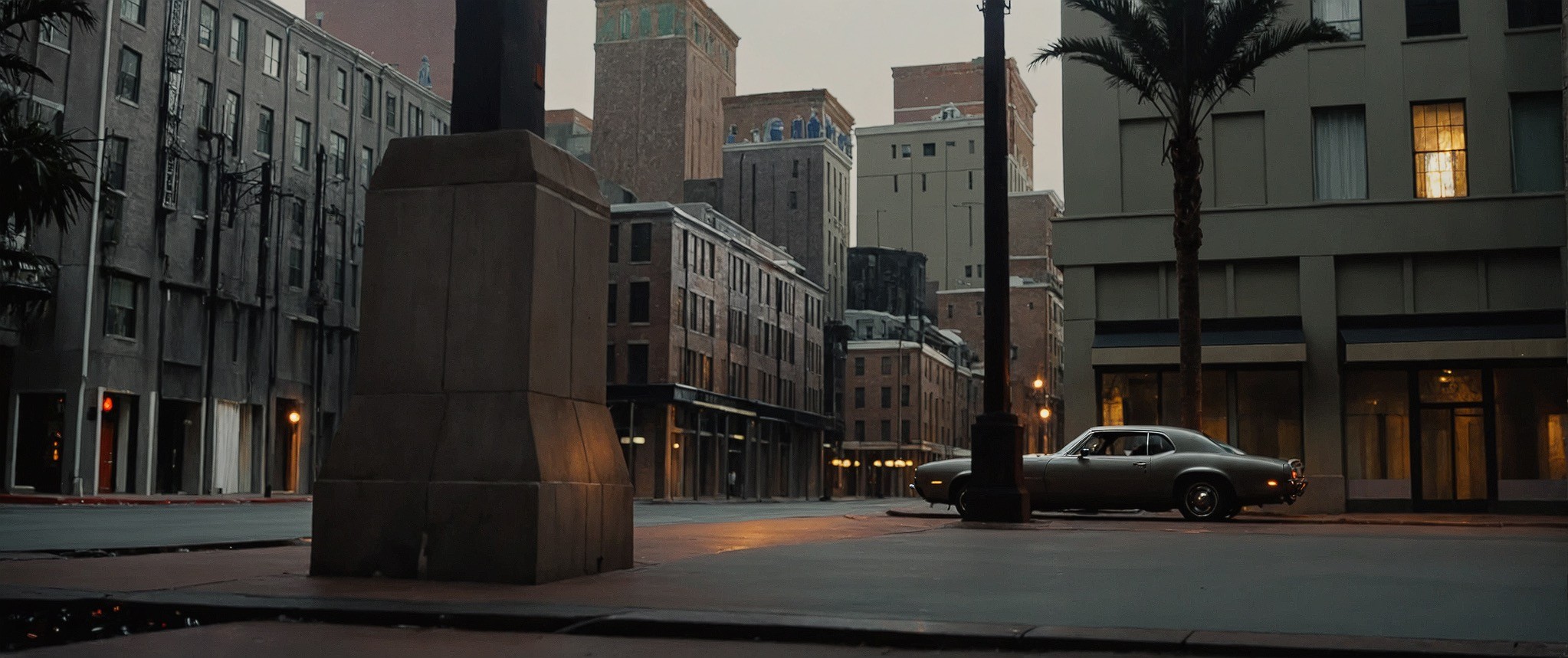
Visual
consistency
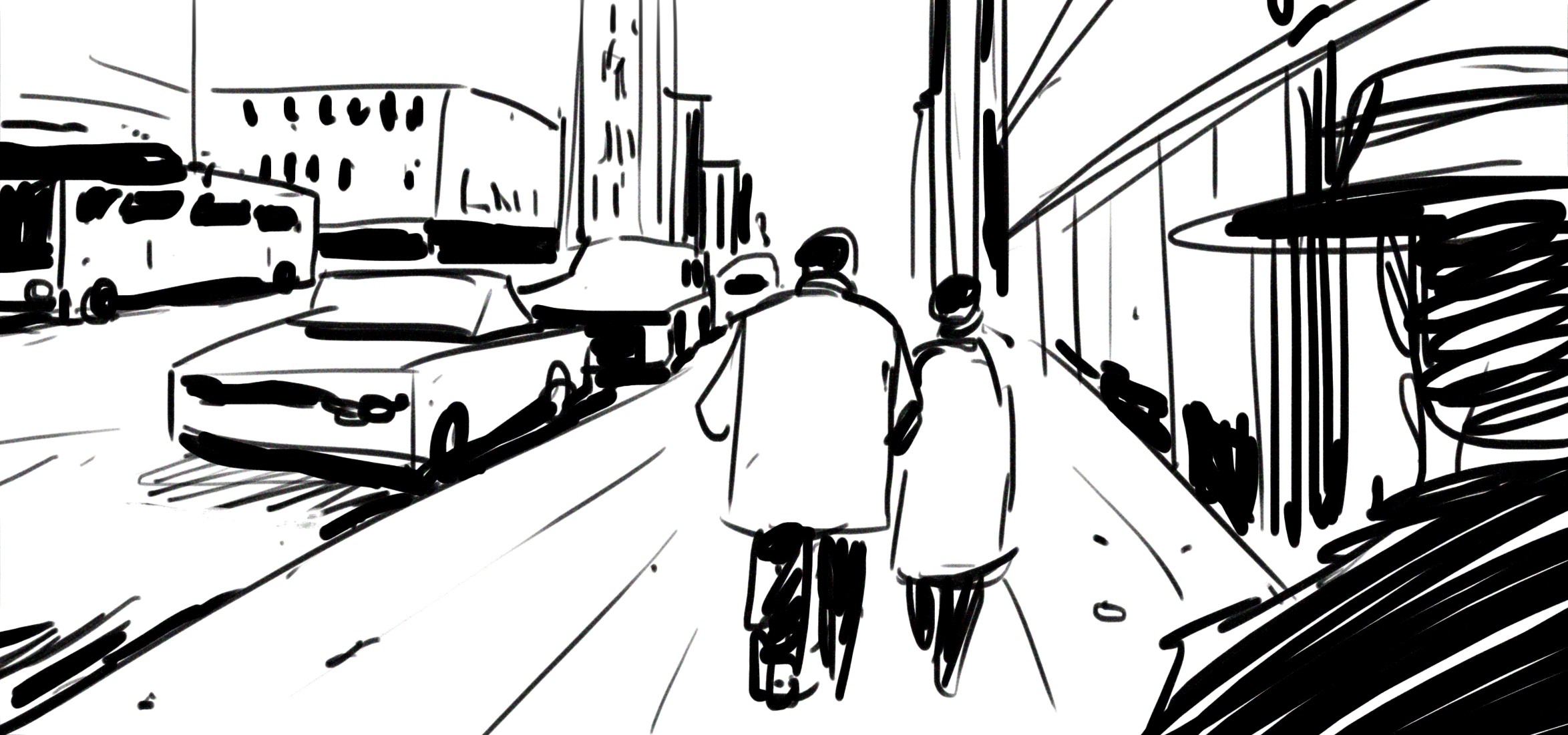
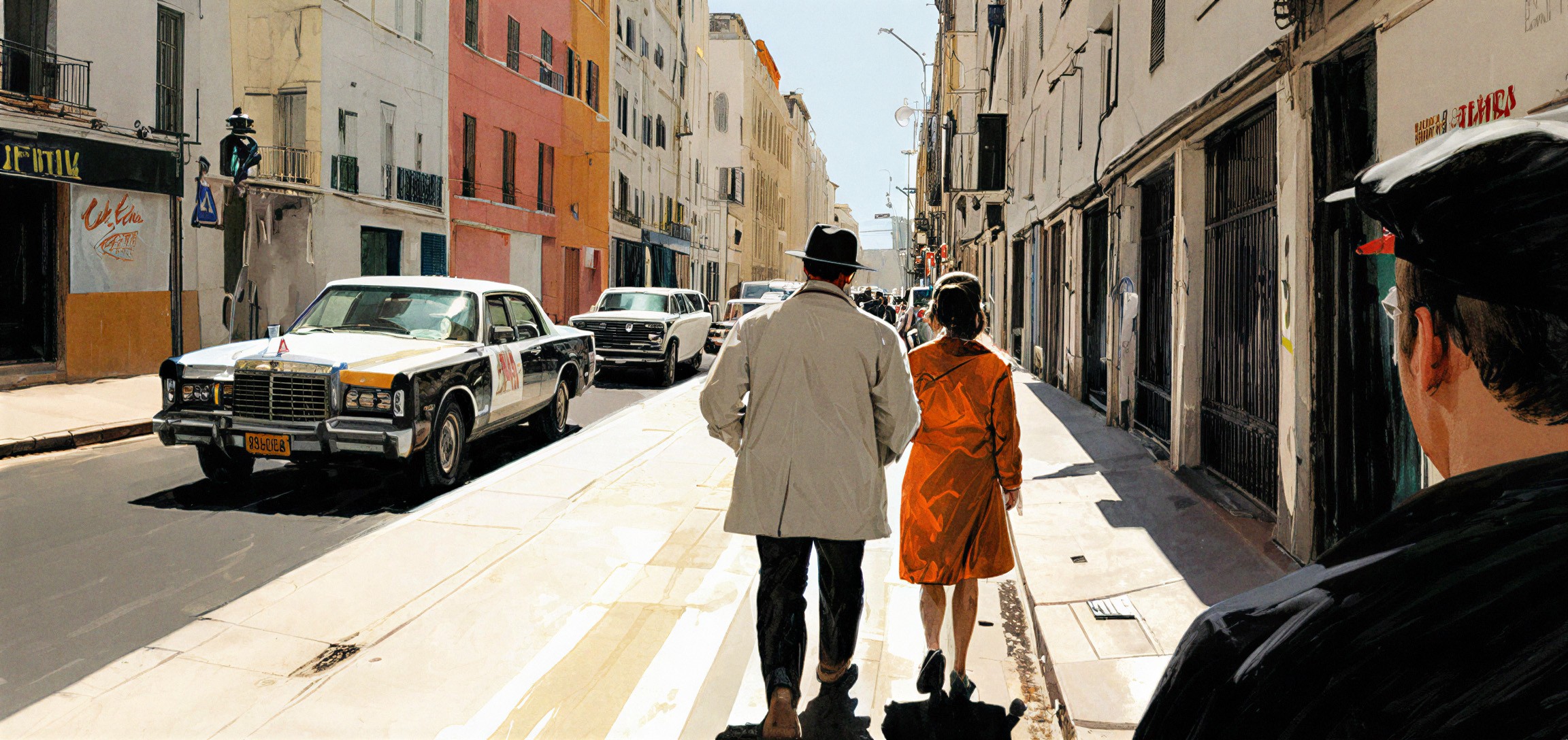
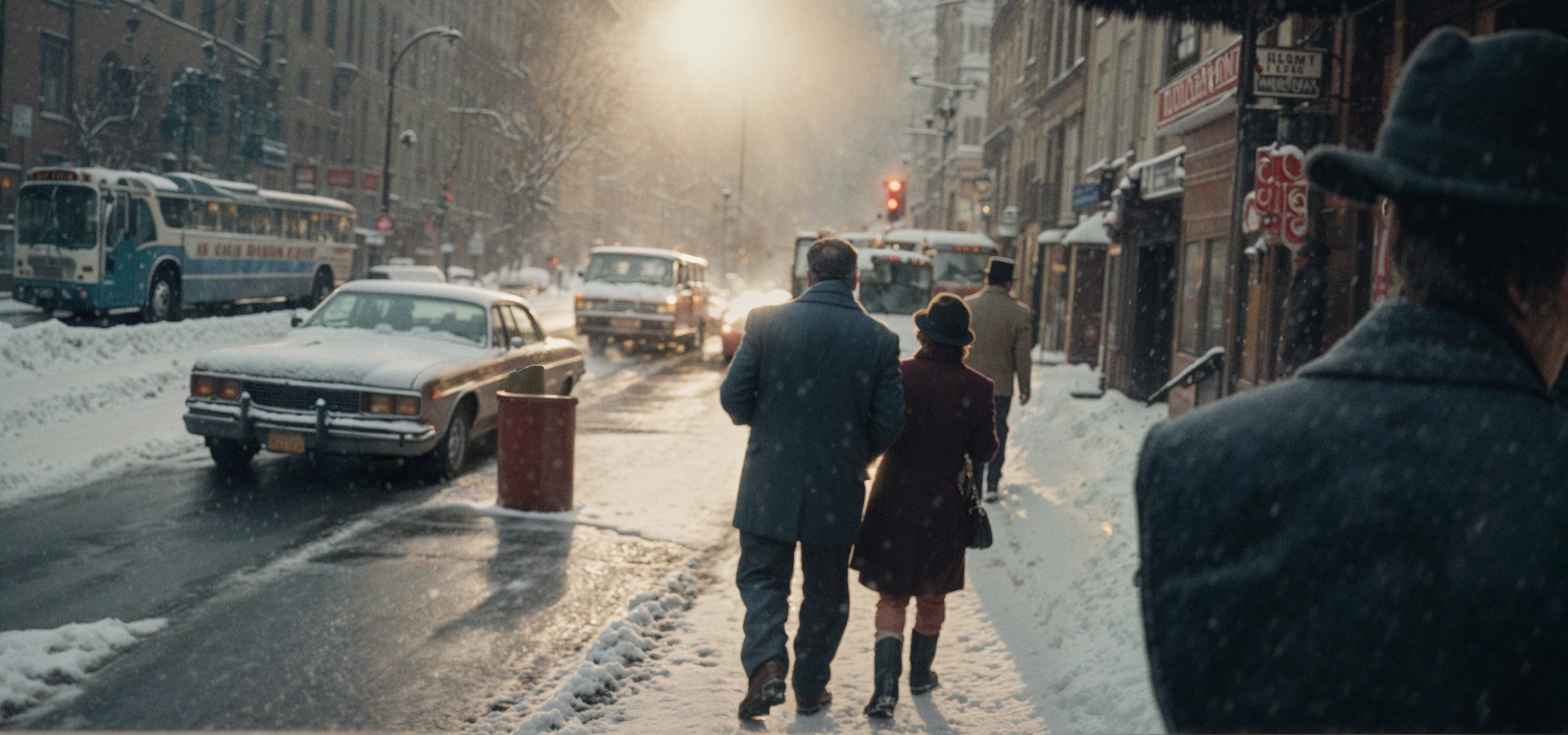
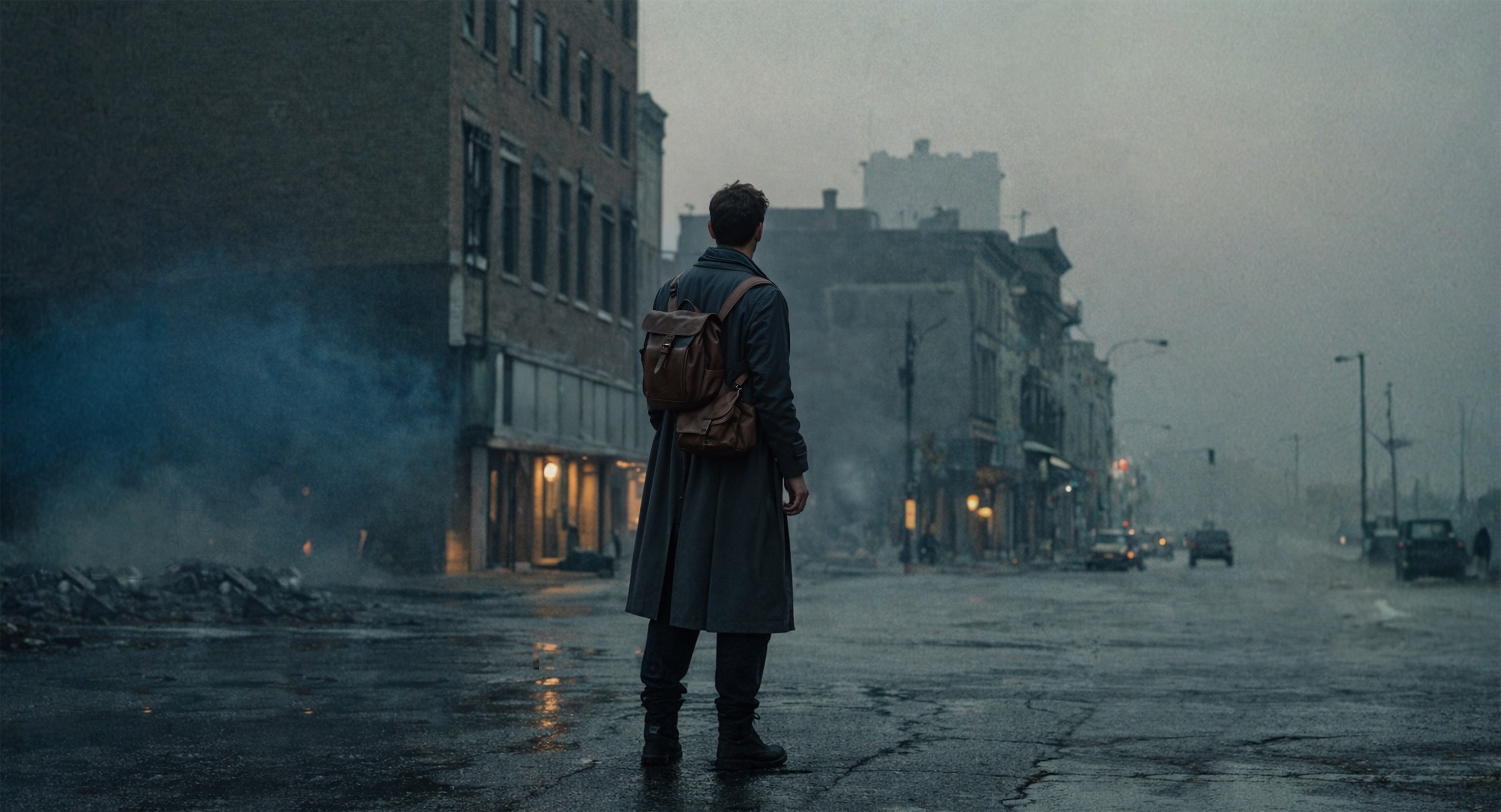
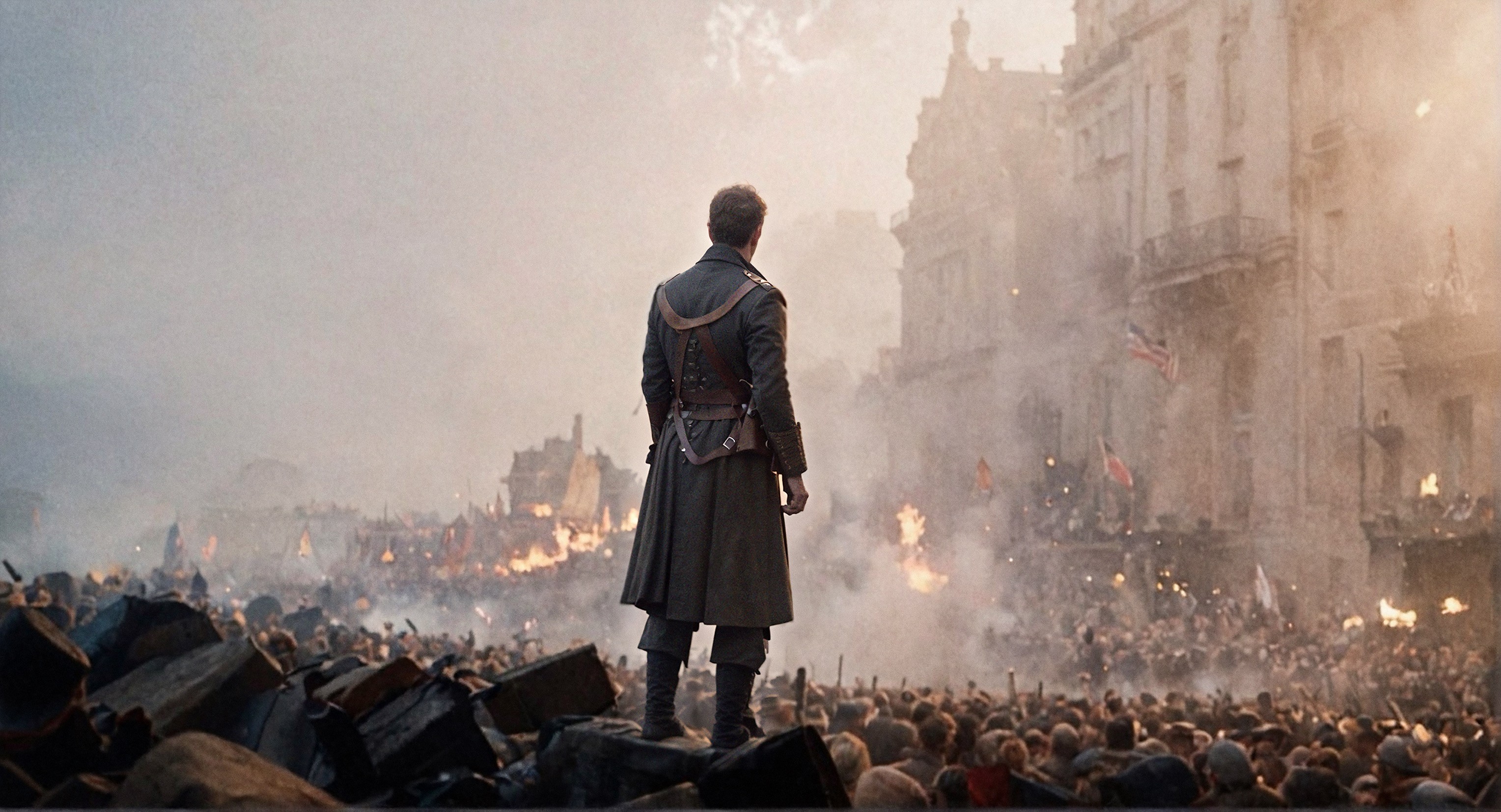
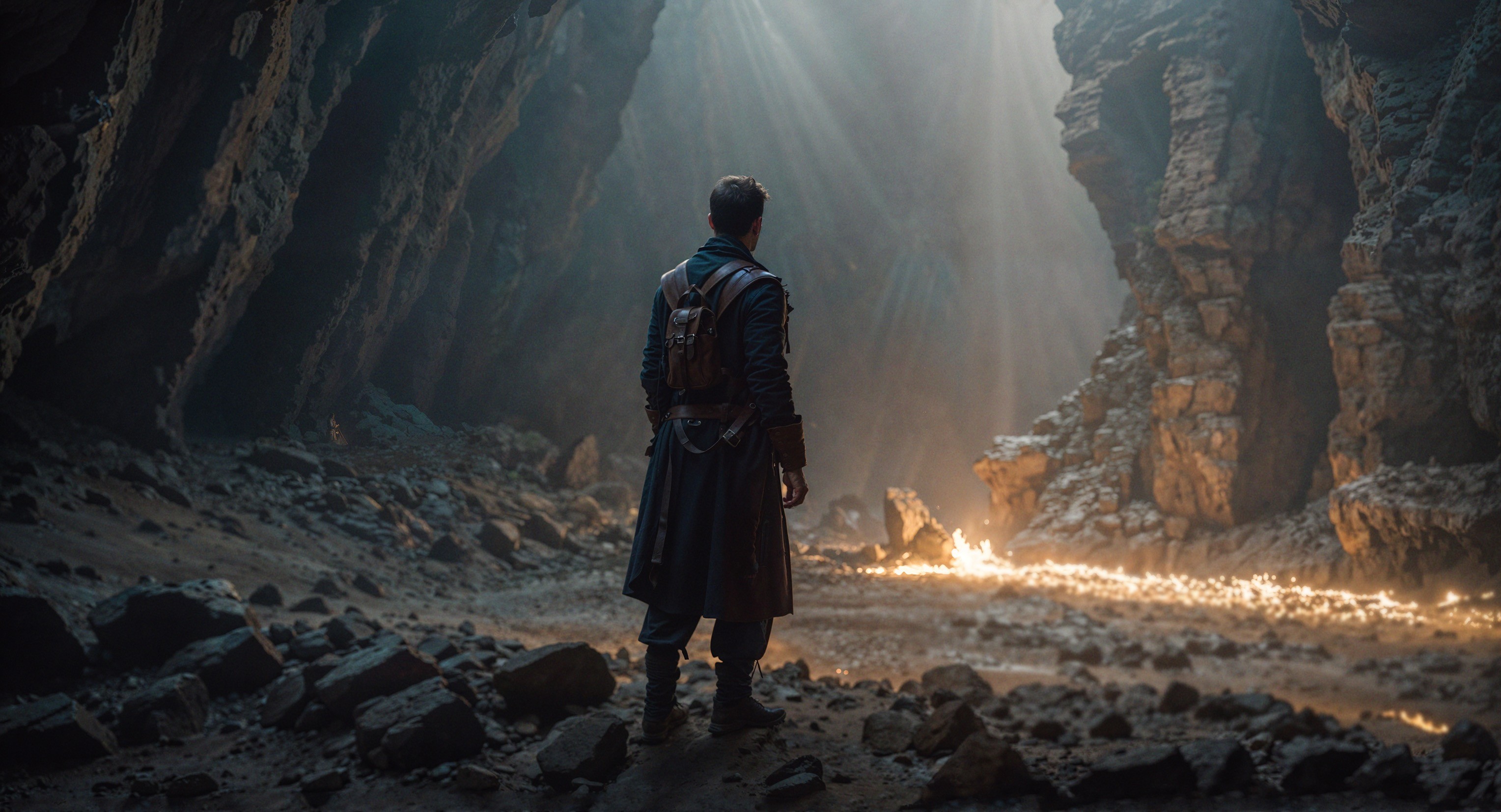
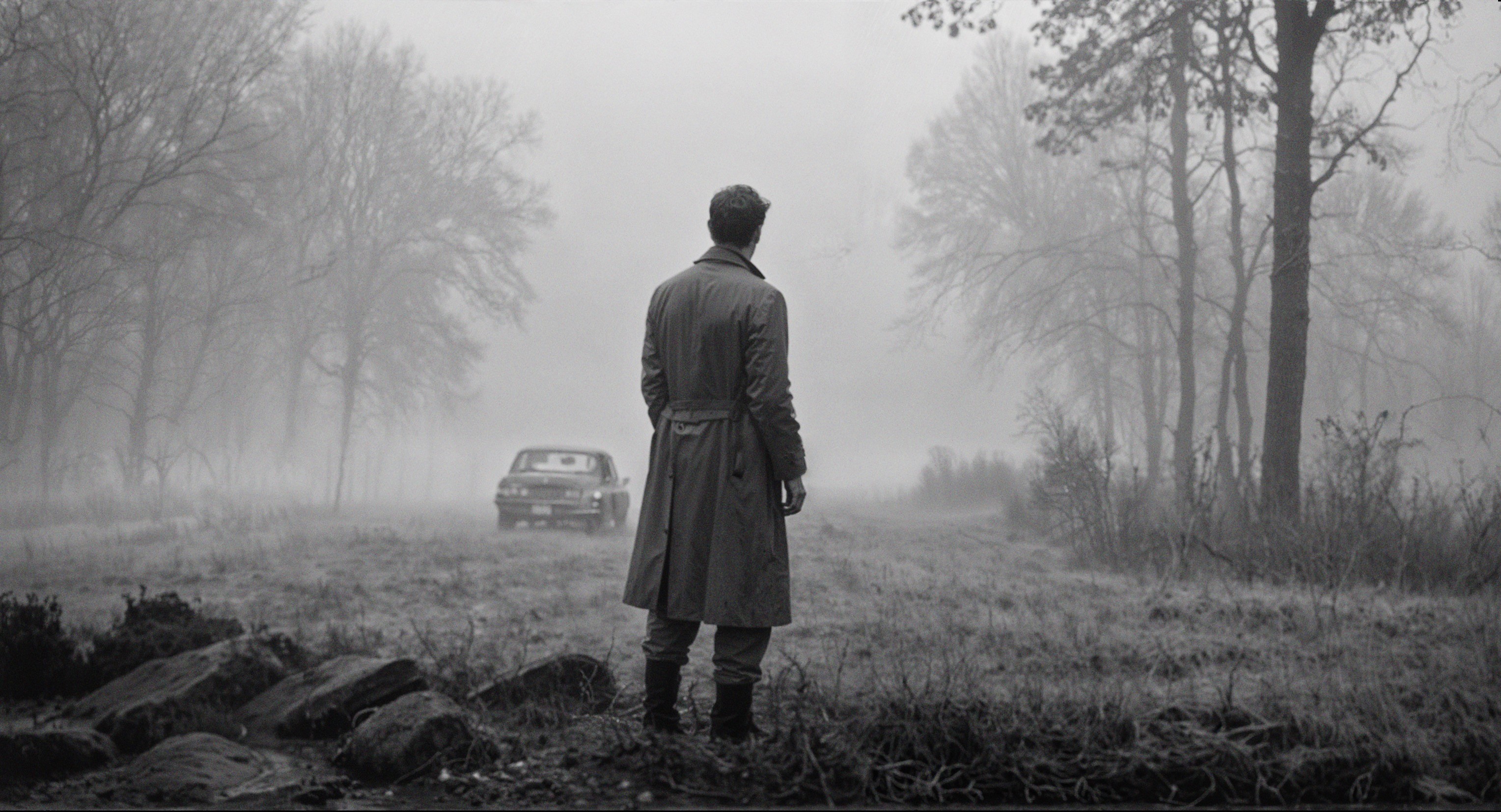
Hand us a napkin sketch — we’ll storyboard the scene and turn it into something you can actually react to. Or bring your own storyboard, and we’ll take it from there. Either way, we make the decisions along the way: composition, lighting, atmosphere. Not the final shot — but close enough to know if you’re on the right track.
From sketch
to frame
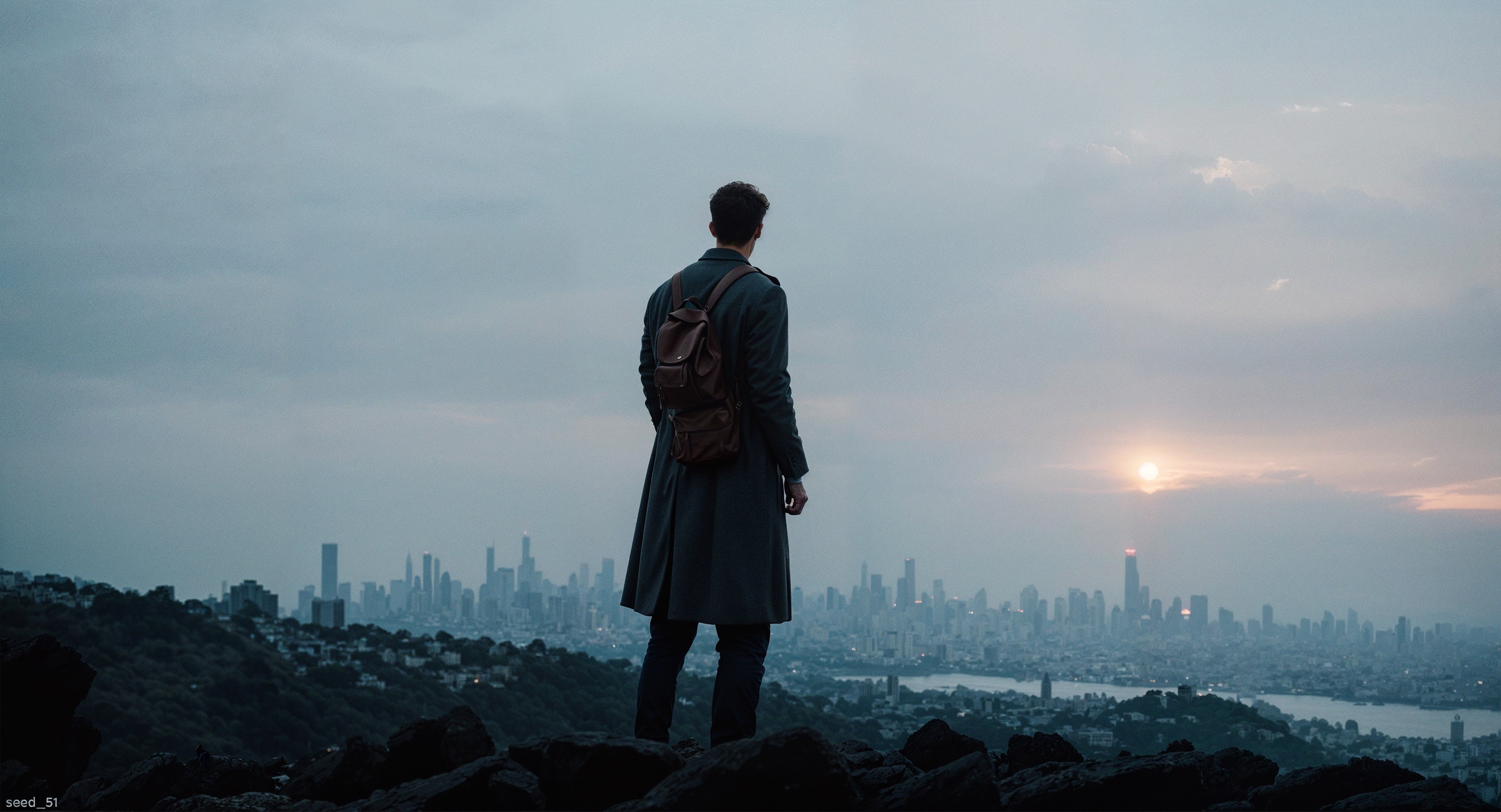
Finding the right frame is half the pitch. Working with the team, we lock down the central conflict and drama of the film. That single image becomes the anchor for everything else — promo materials, studio briefs, vendor conversations. Everyone stops guessing and starts working from the same picture.
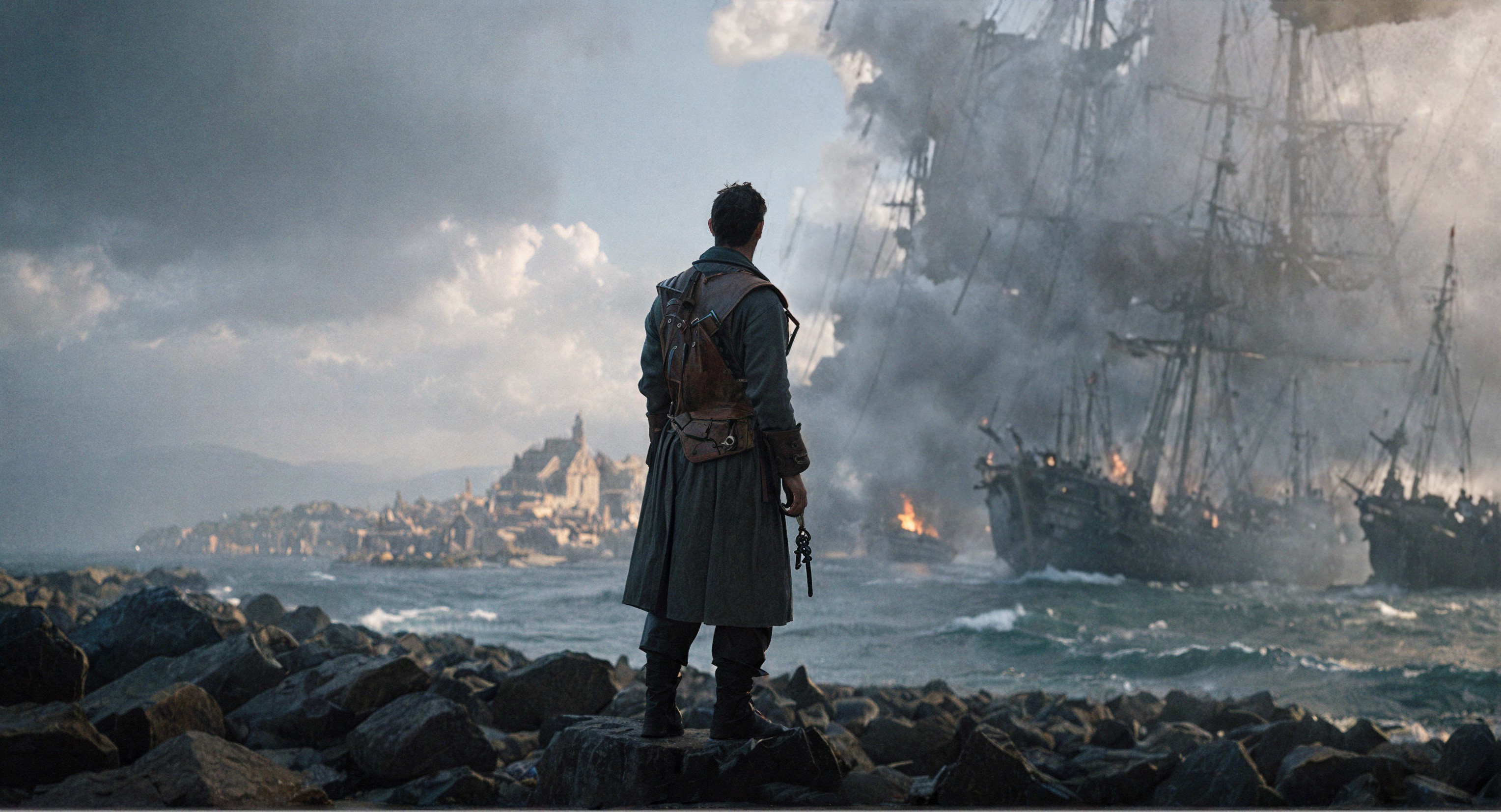
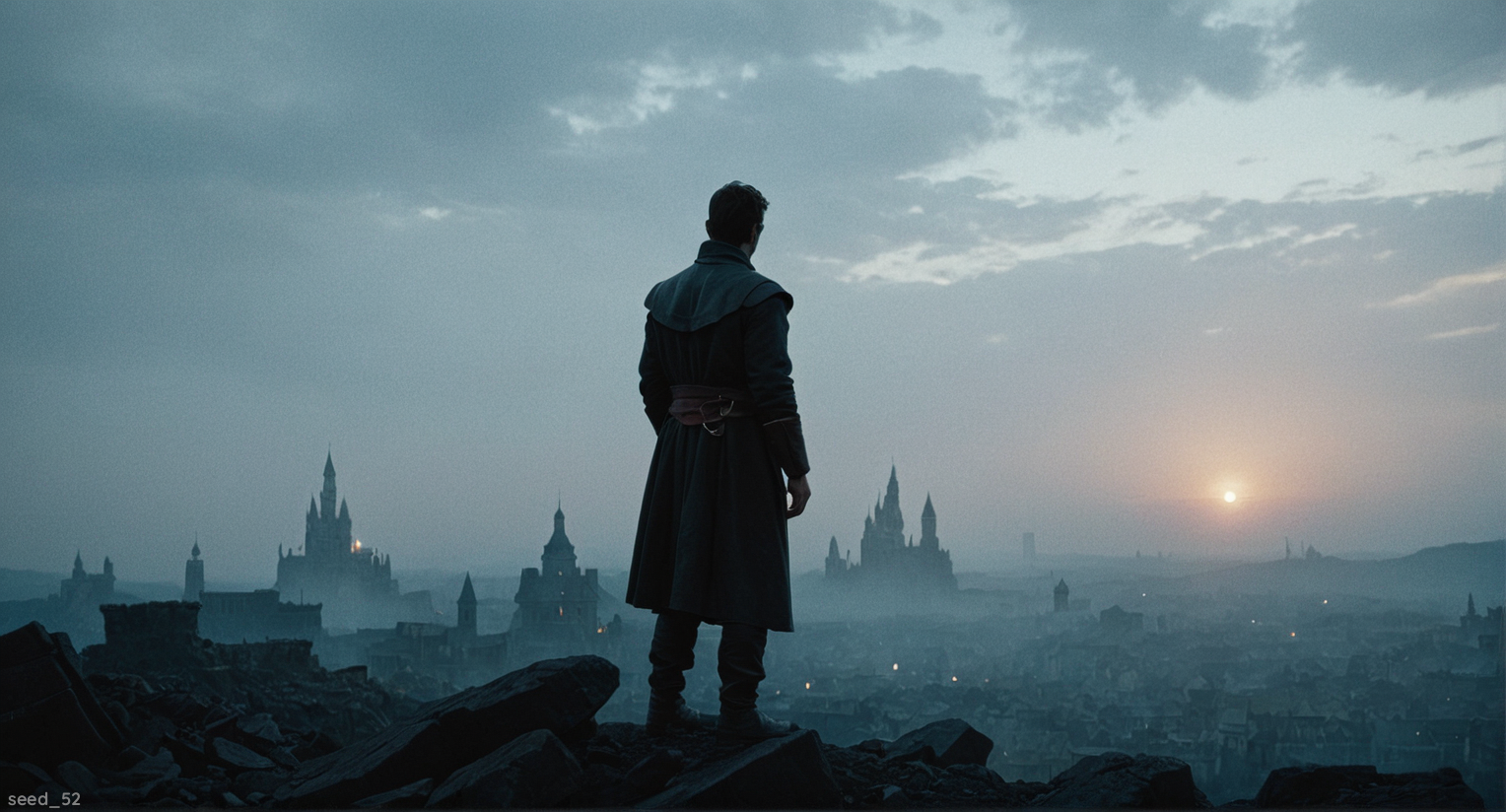
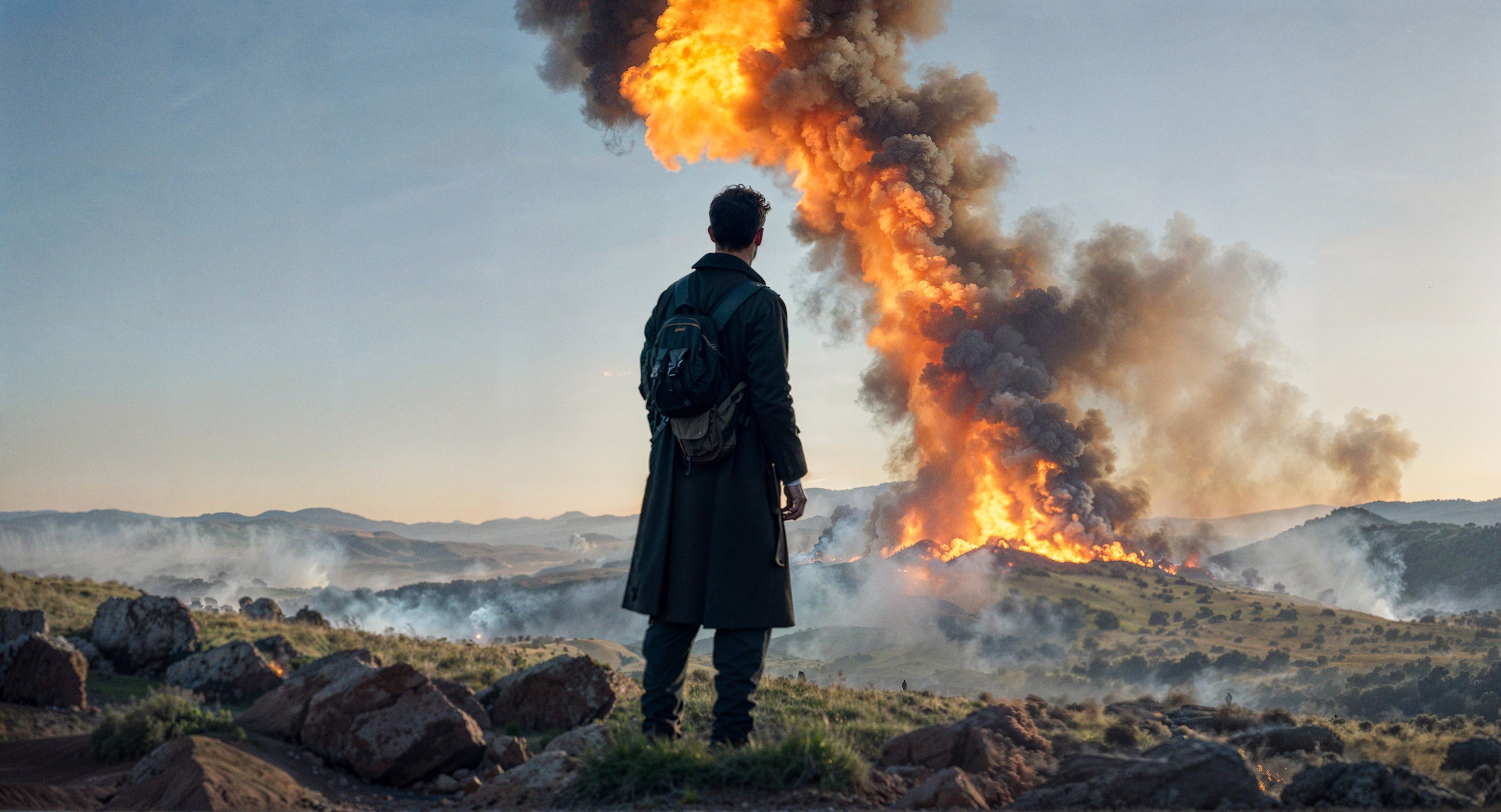
The hero shot
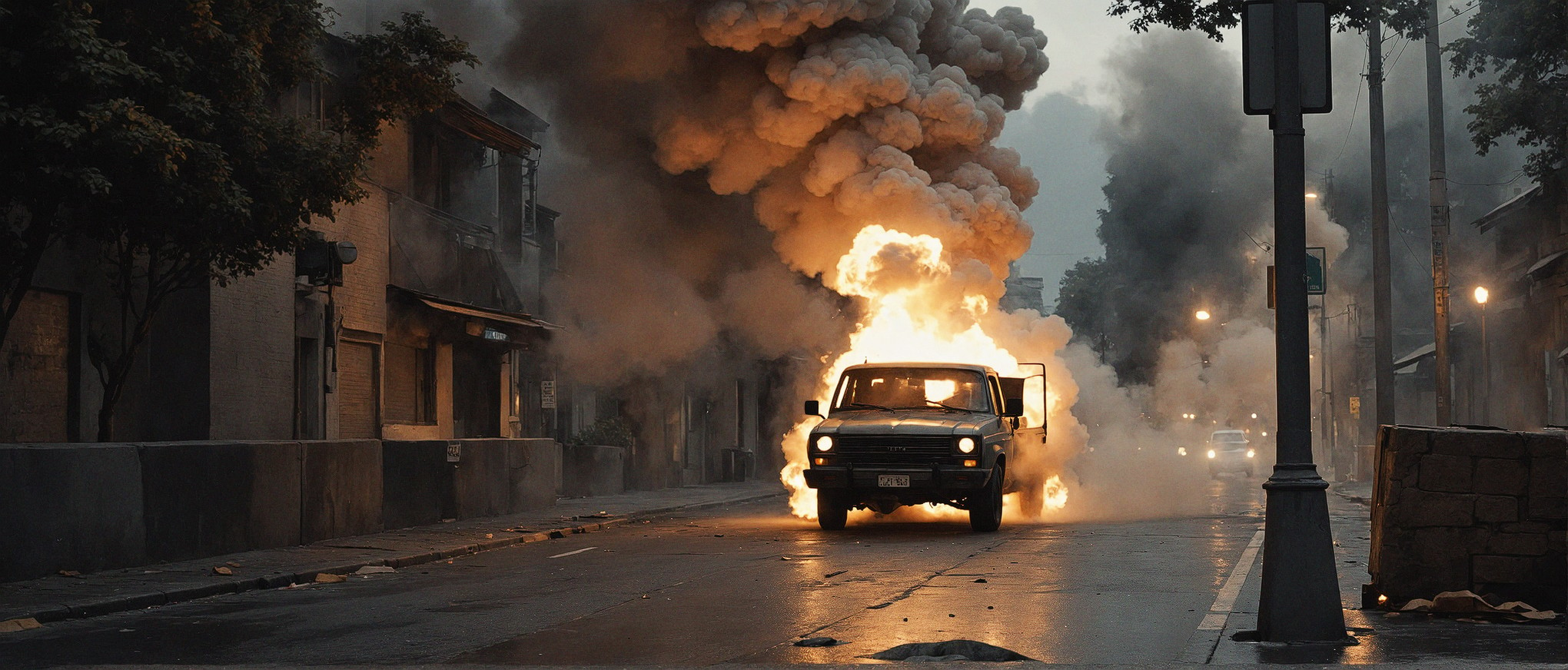
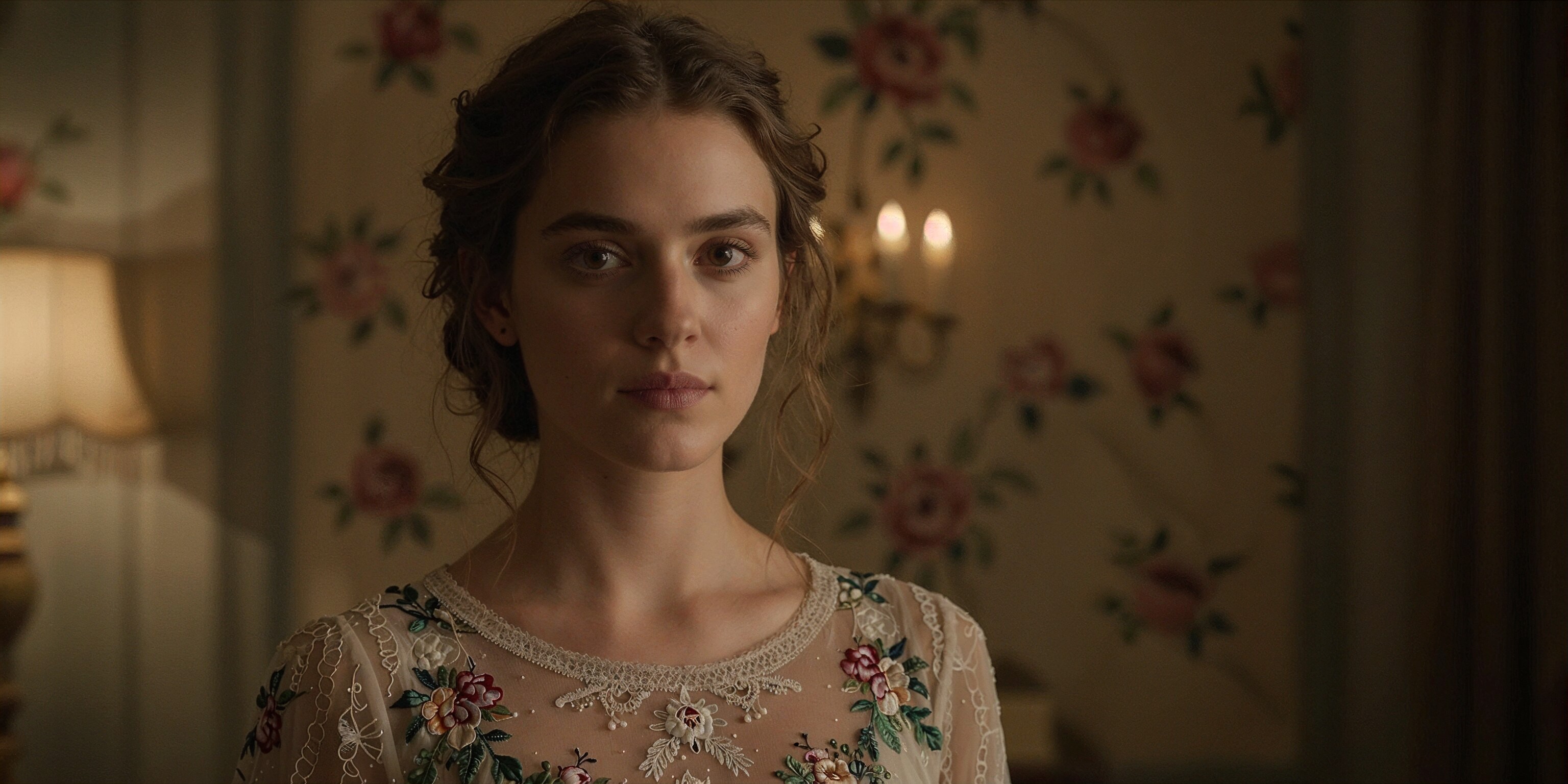
& reimagining
.editing
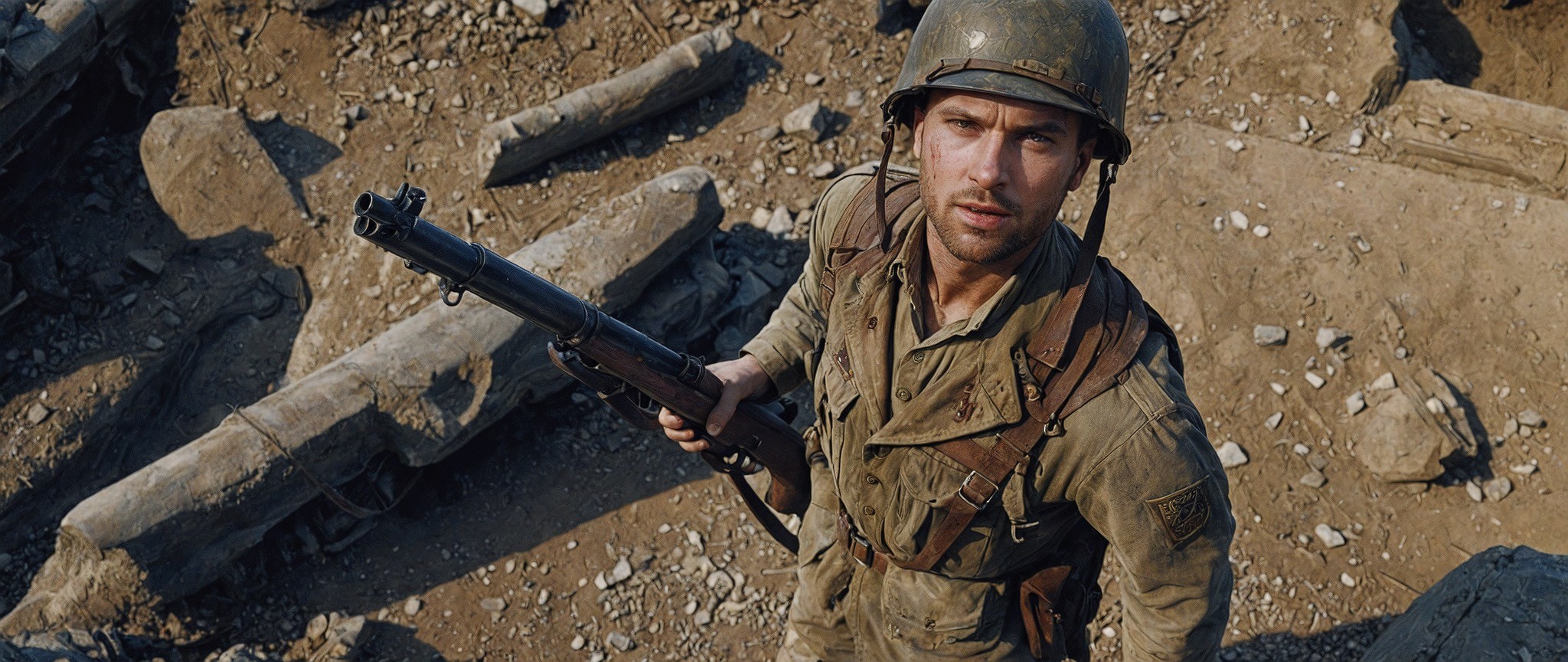
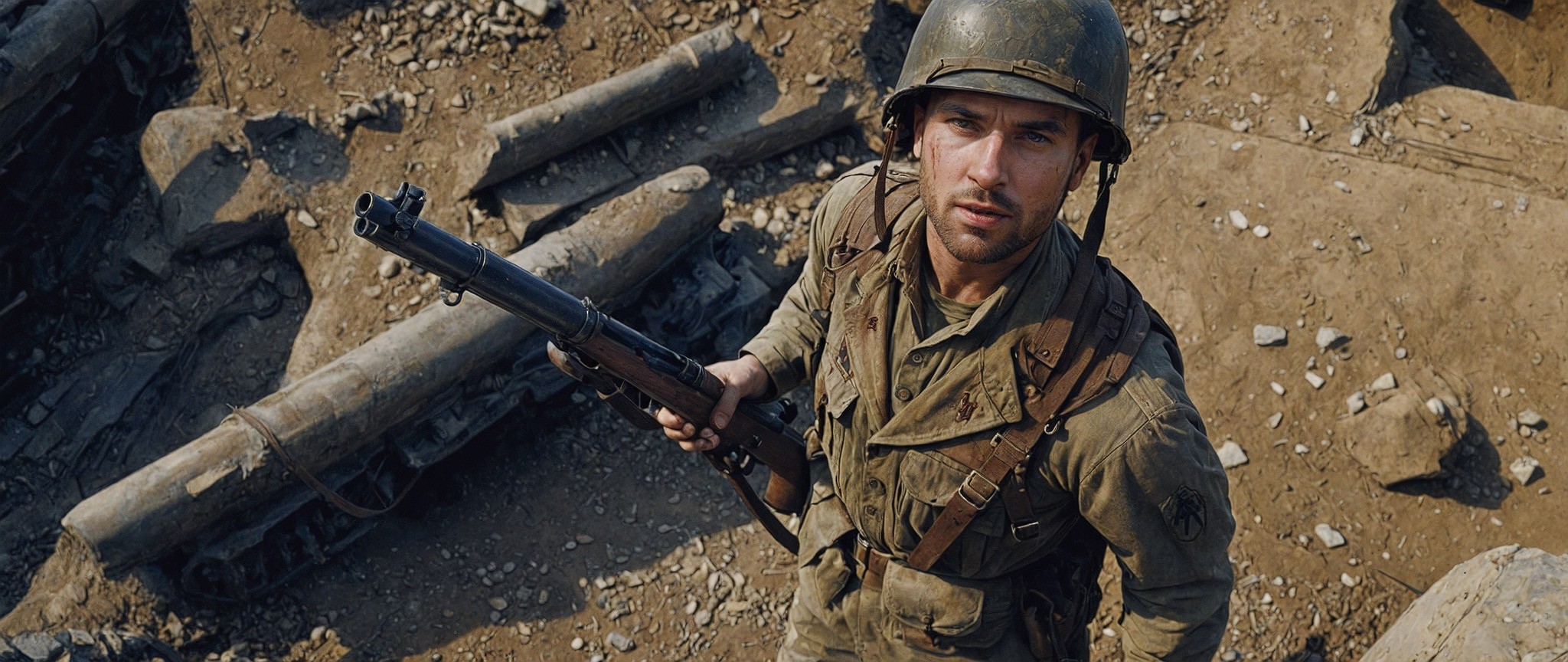
Every project starts with references. We do too. But we don’t just collect them — we use them as raw material. Different lighting, different characters, different moods. Same foundation, multiple directions. Quick enough to kill bad ideas before they cost anything.
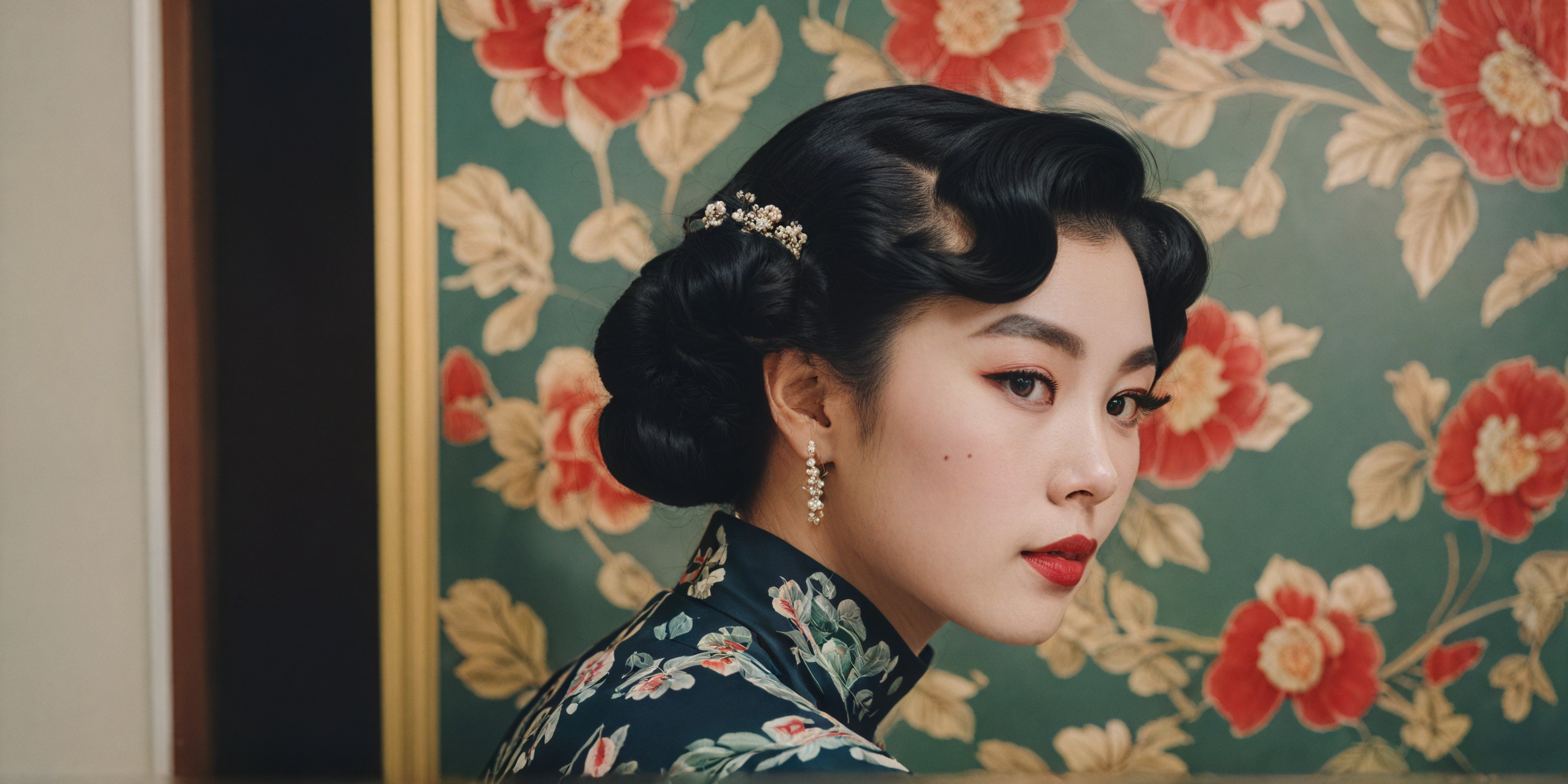
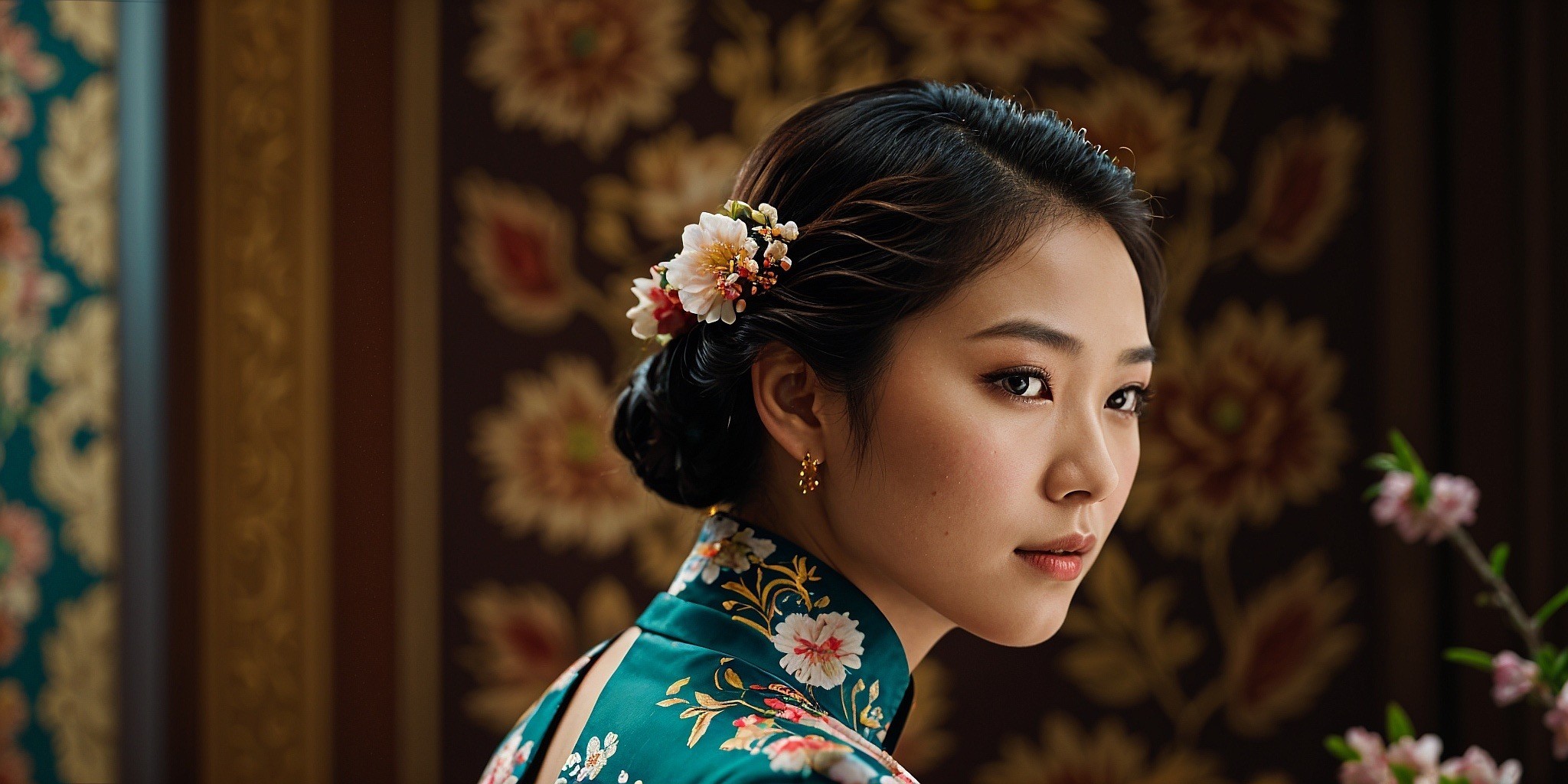
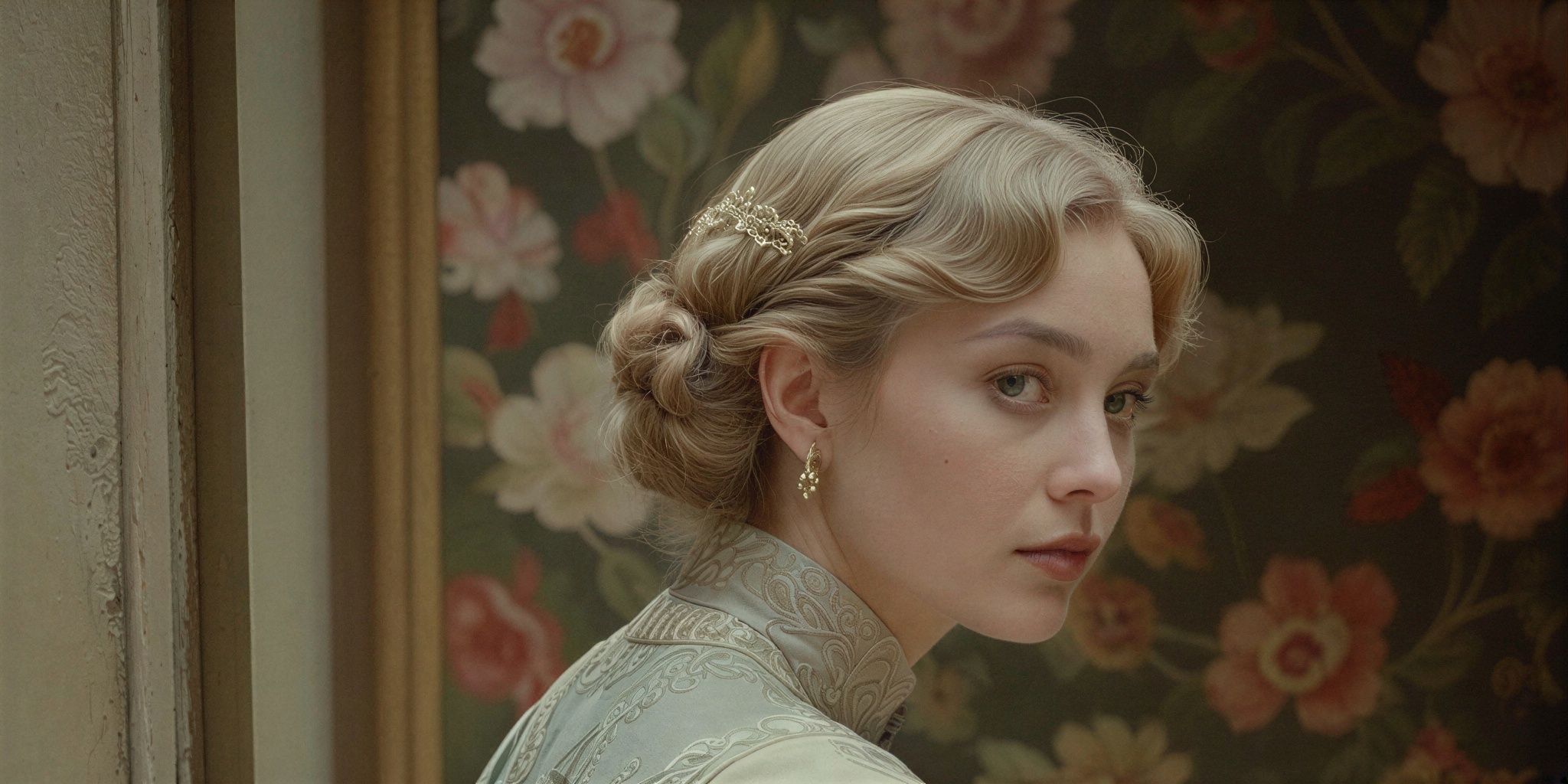
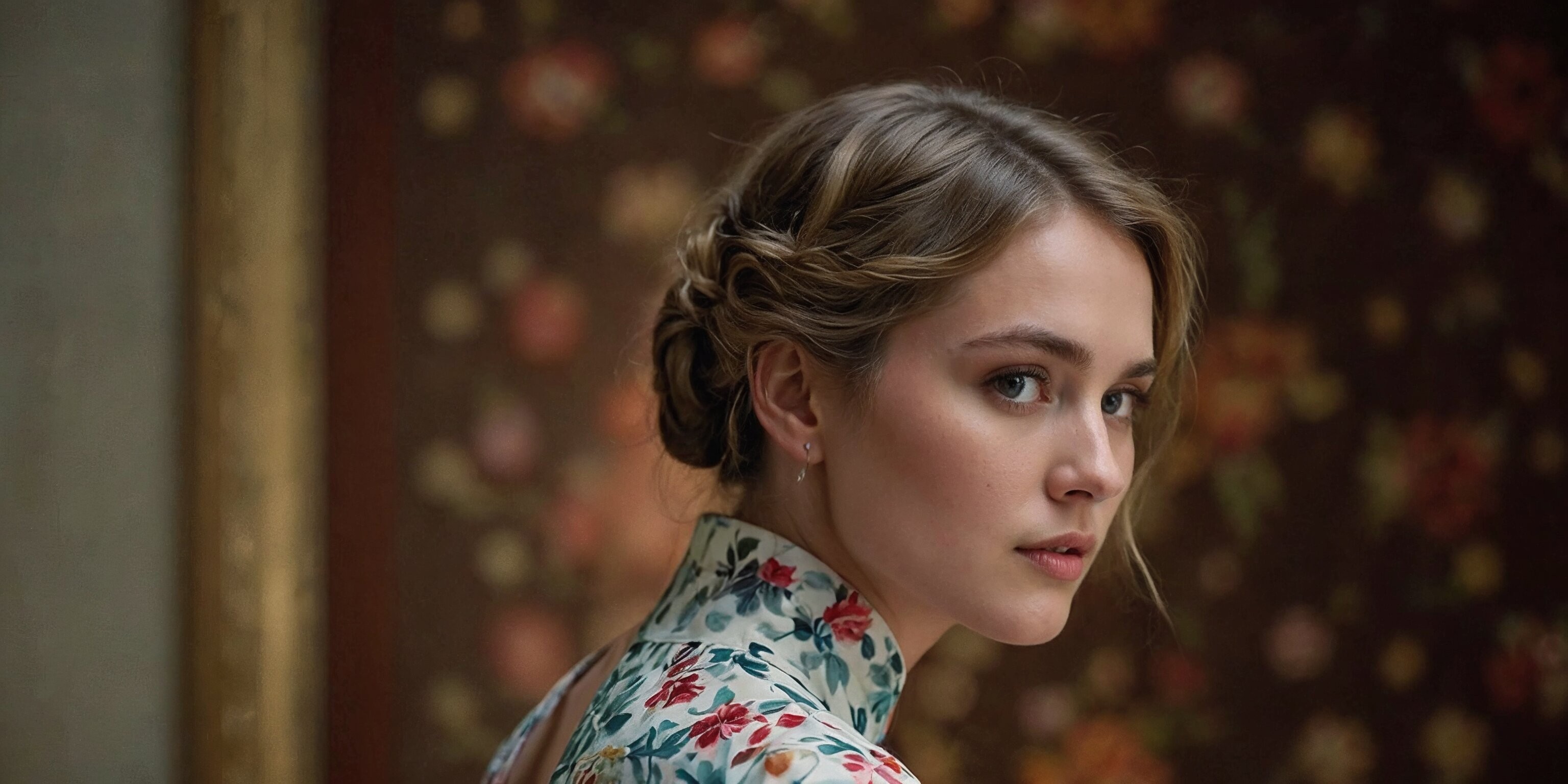
SMART VARIATION
TESTING
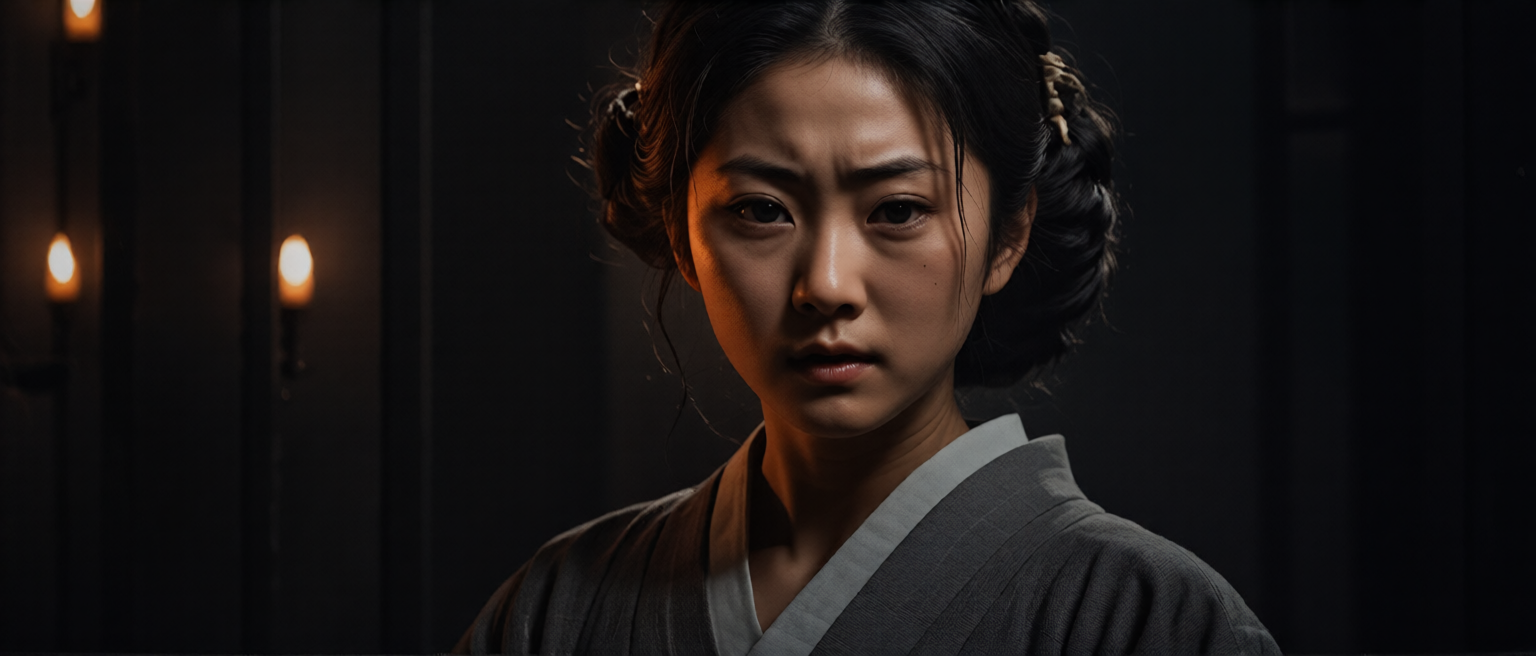
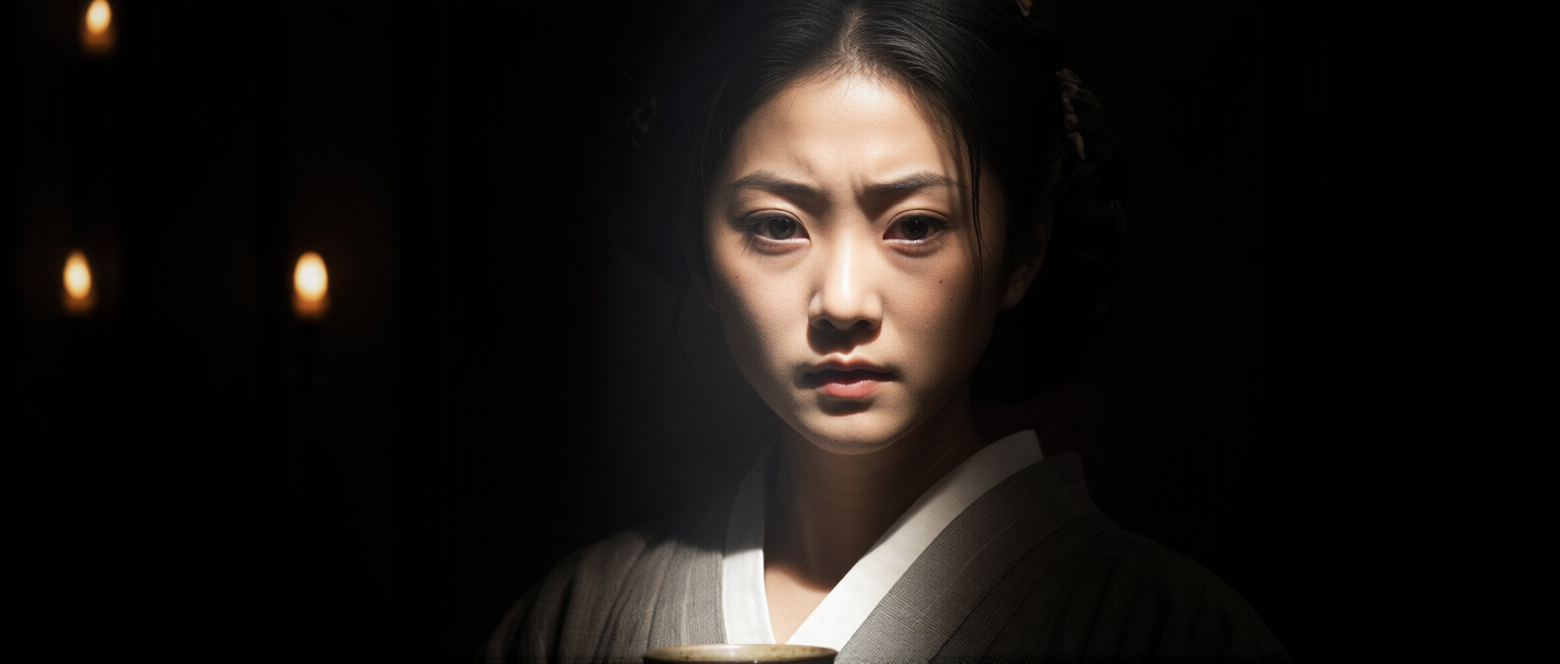
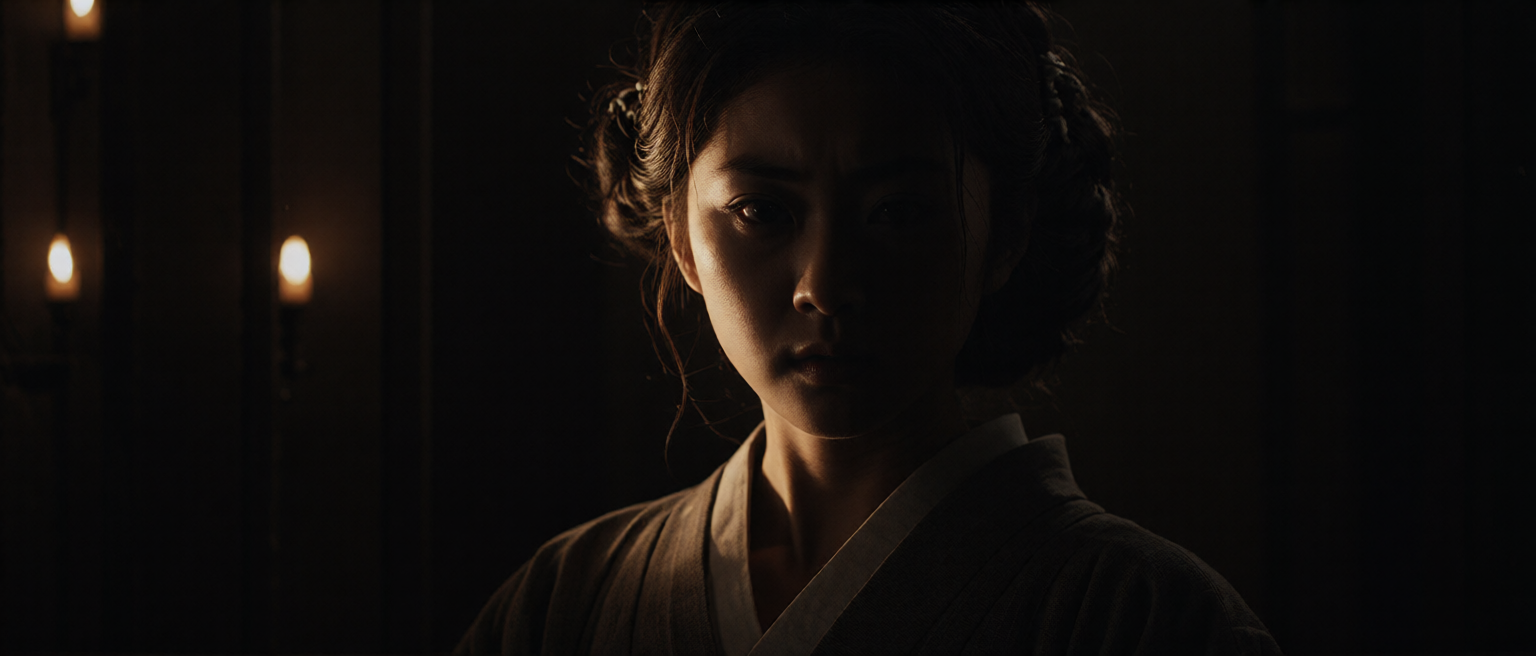
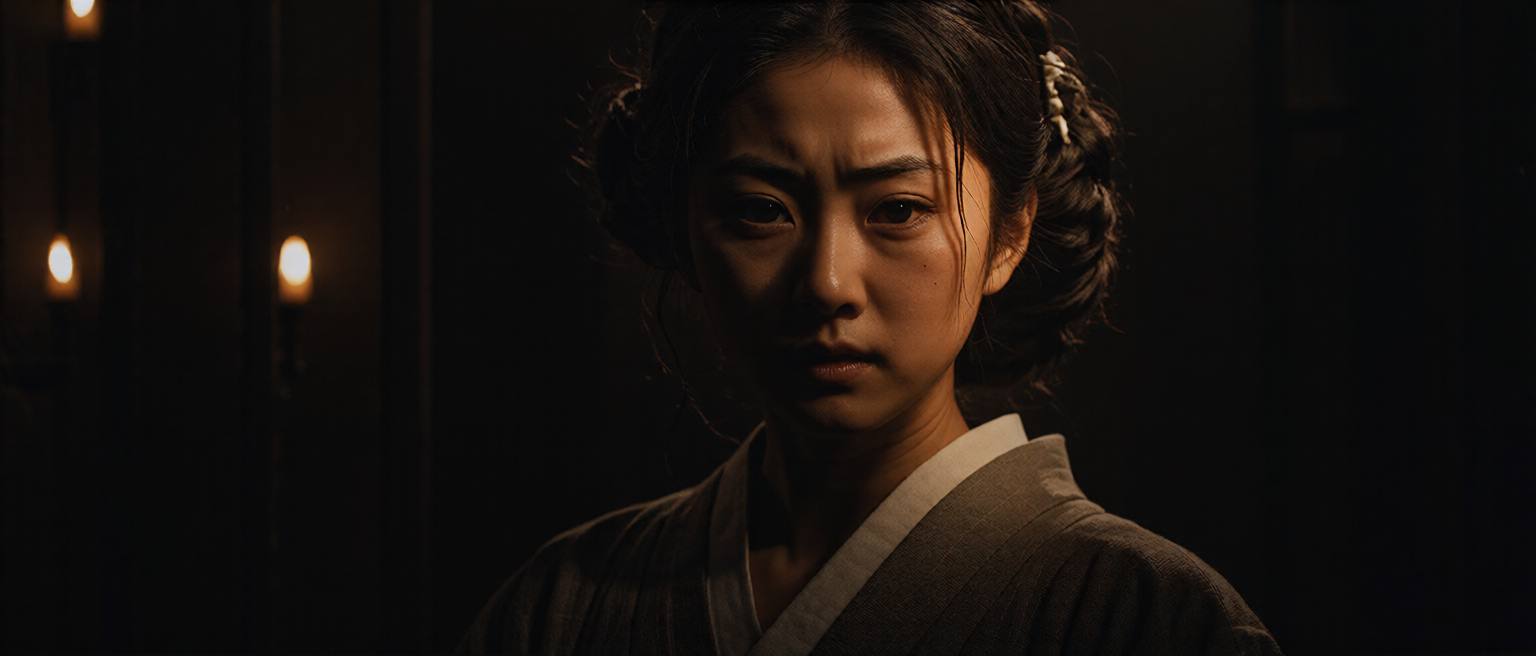
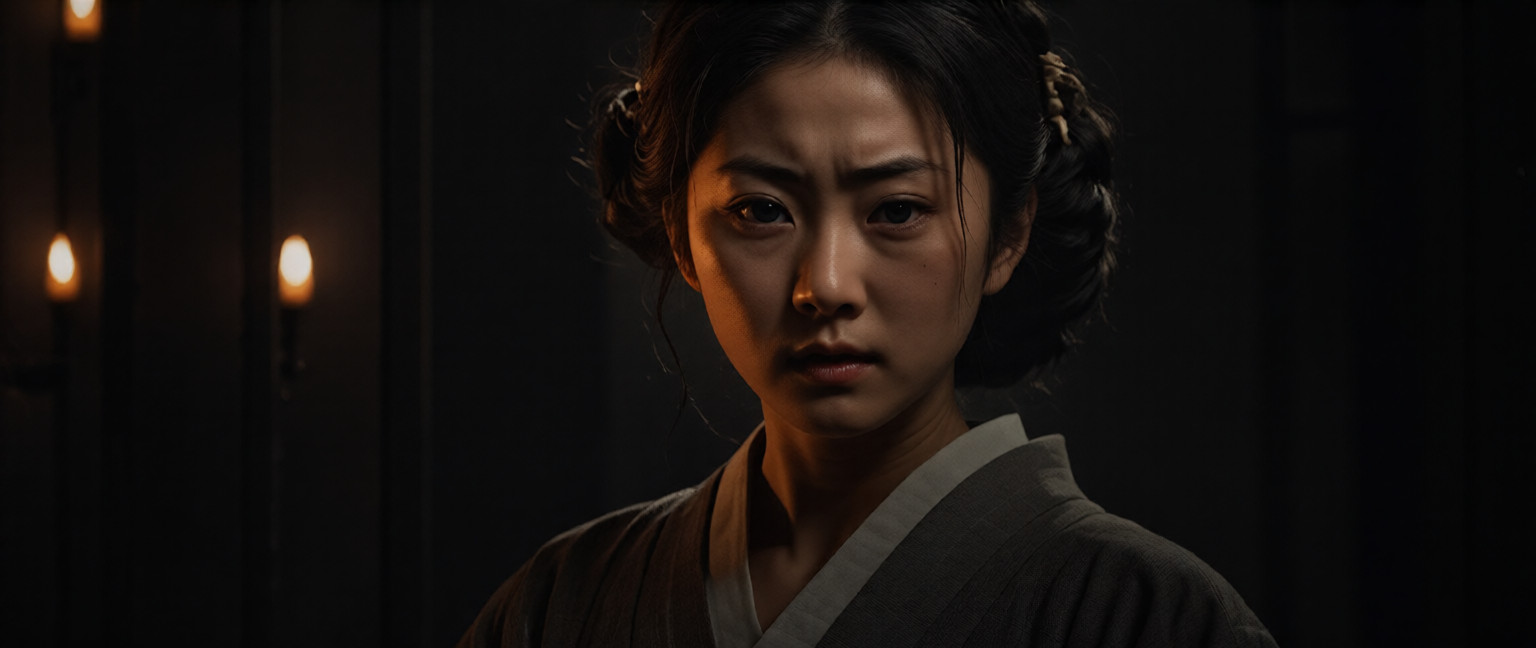
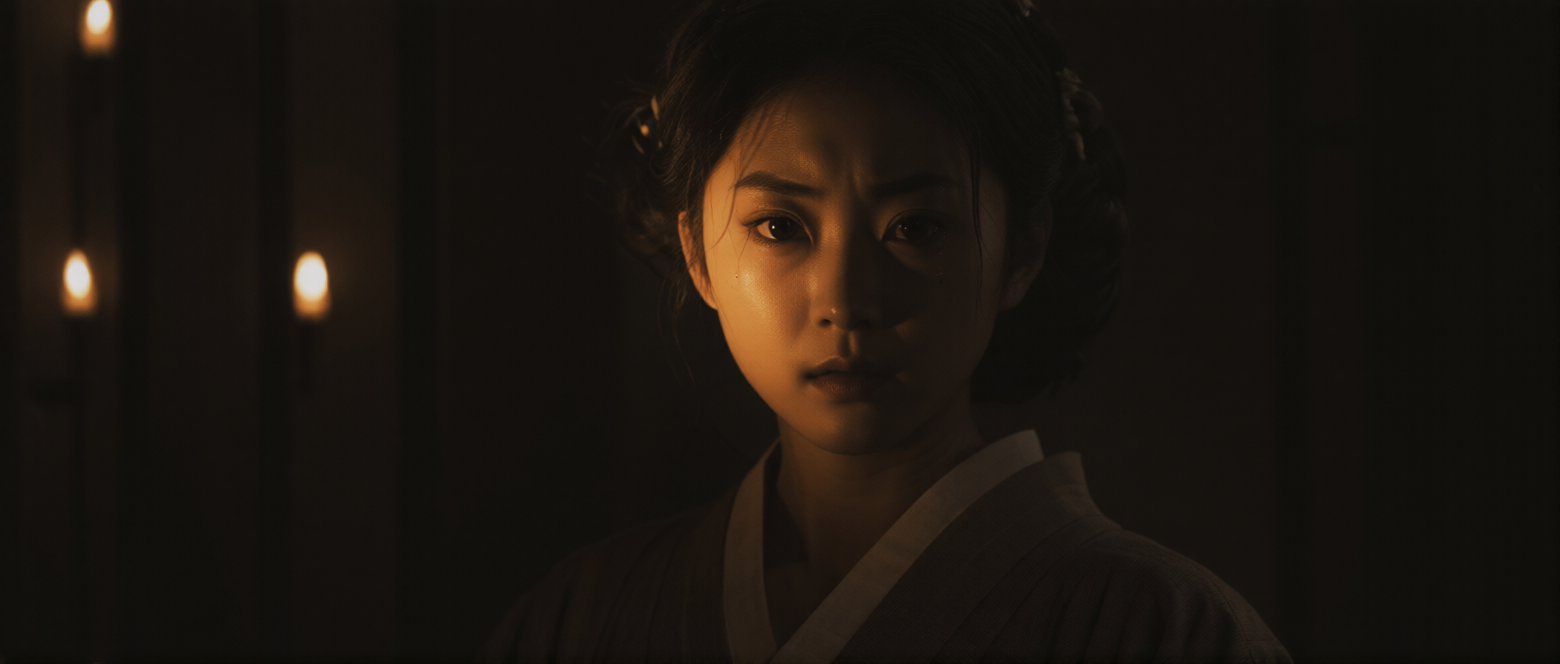
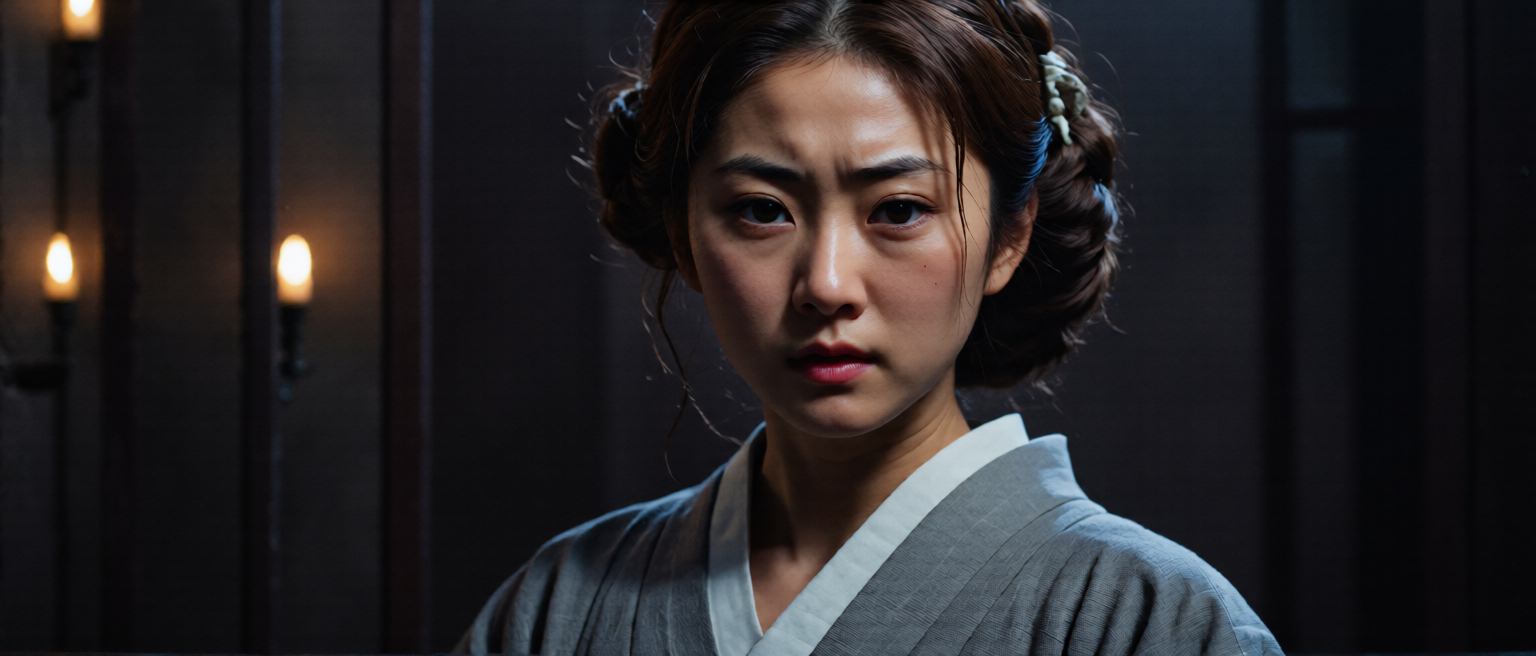
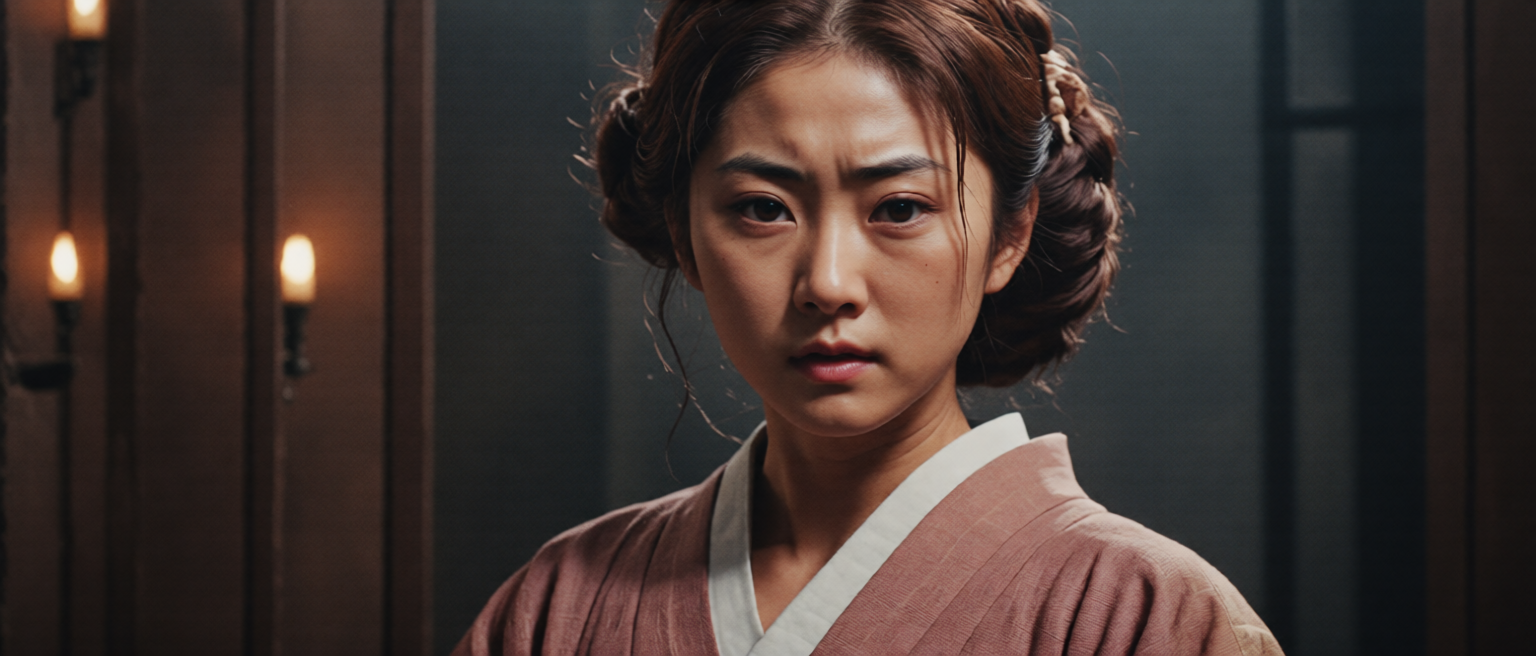
COLOR PALETTE
& RELIGHT
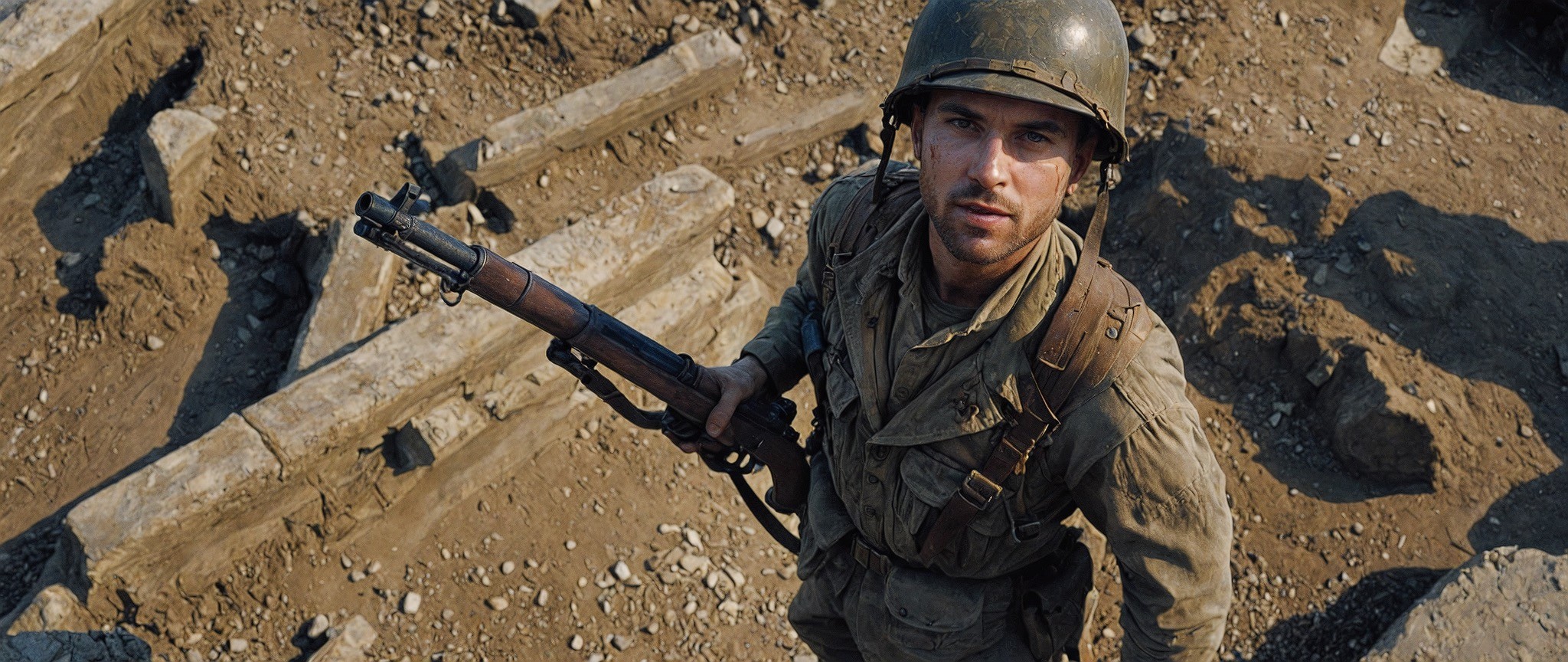
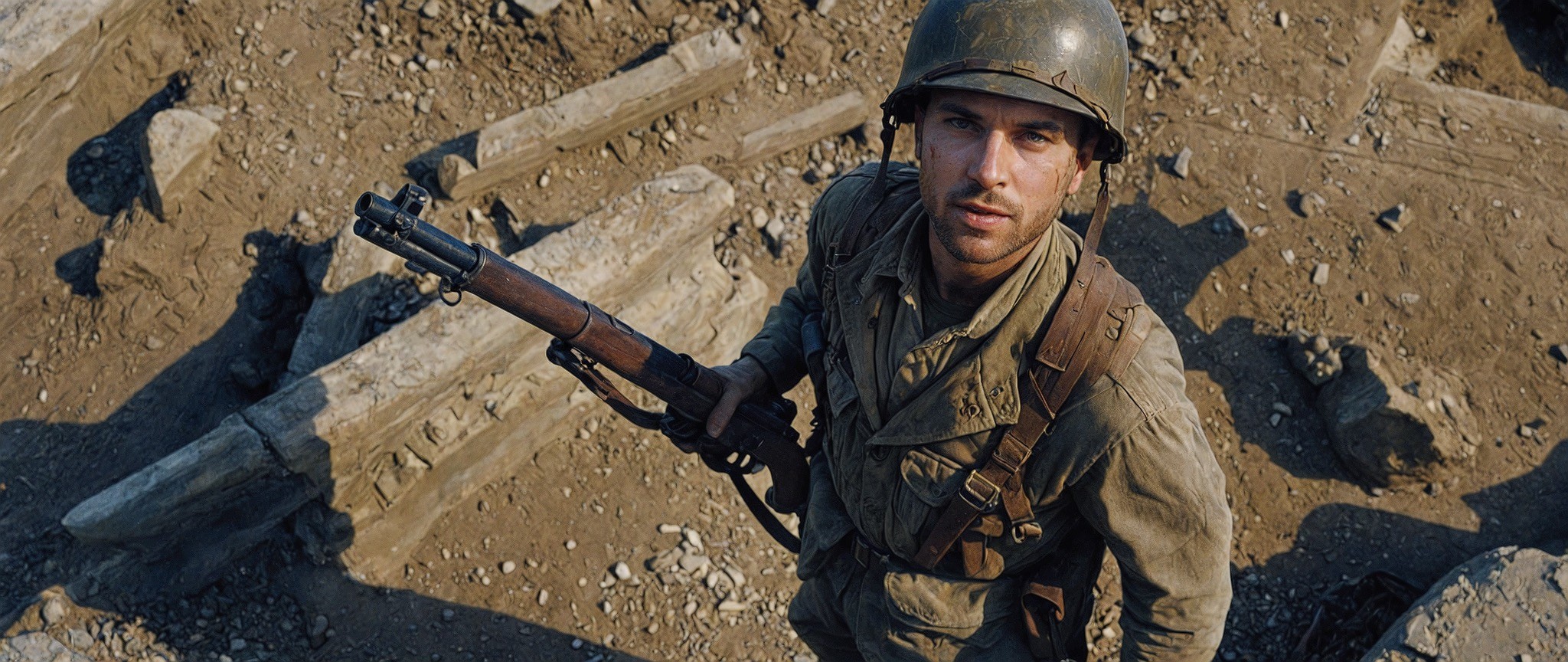
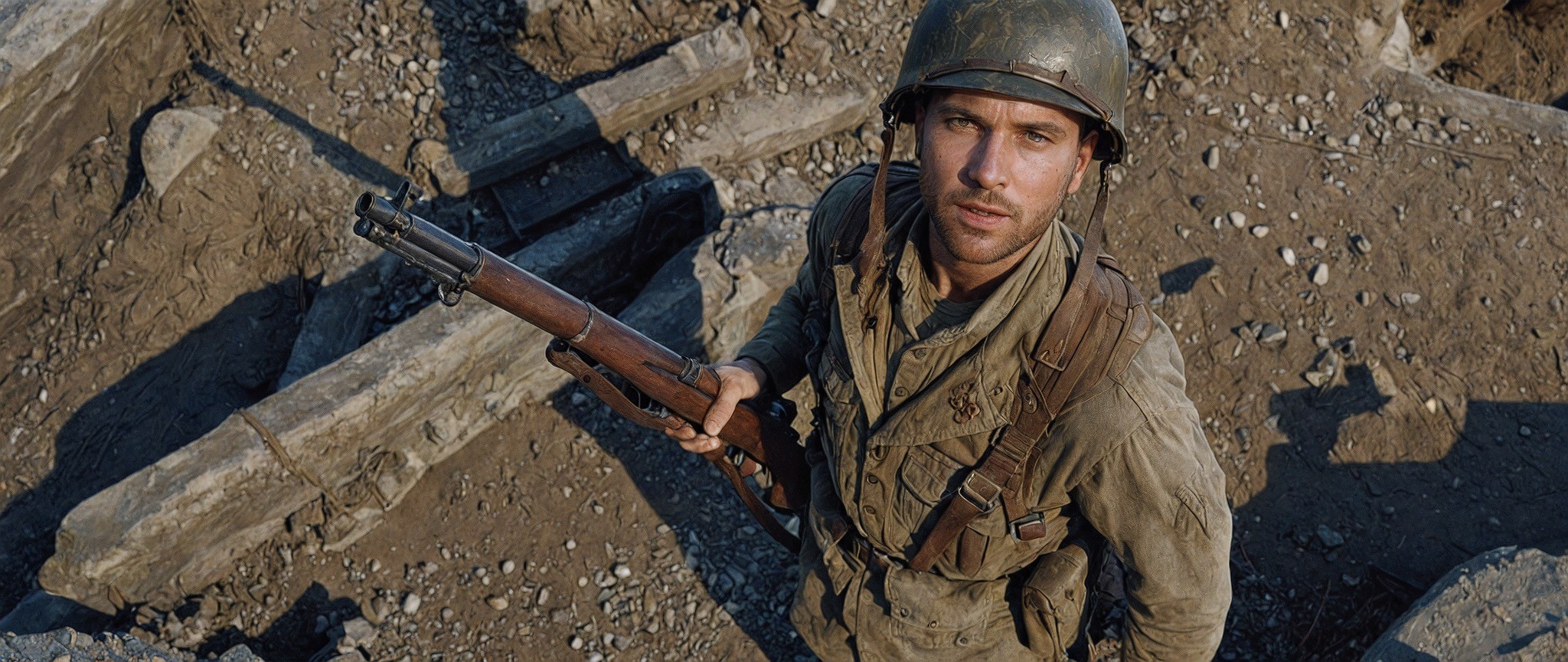
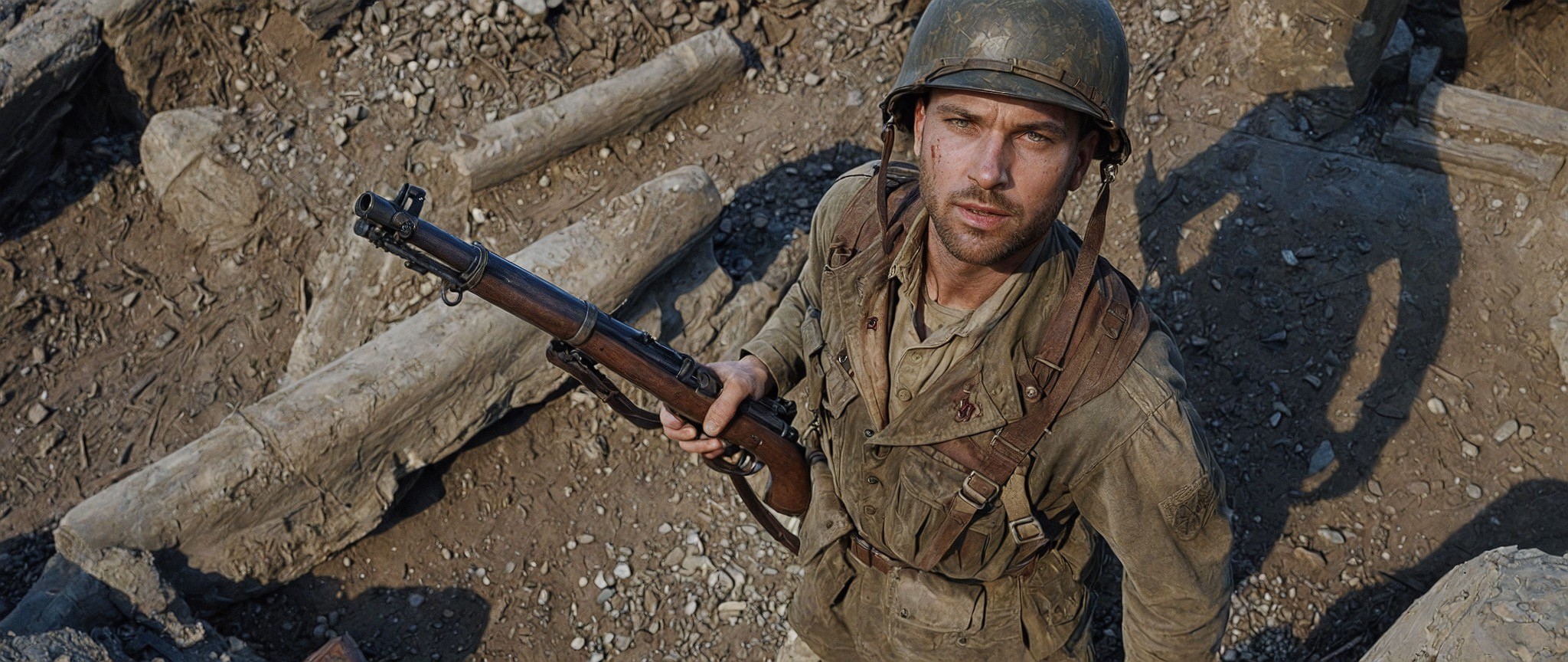
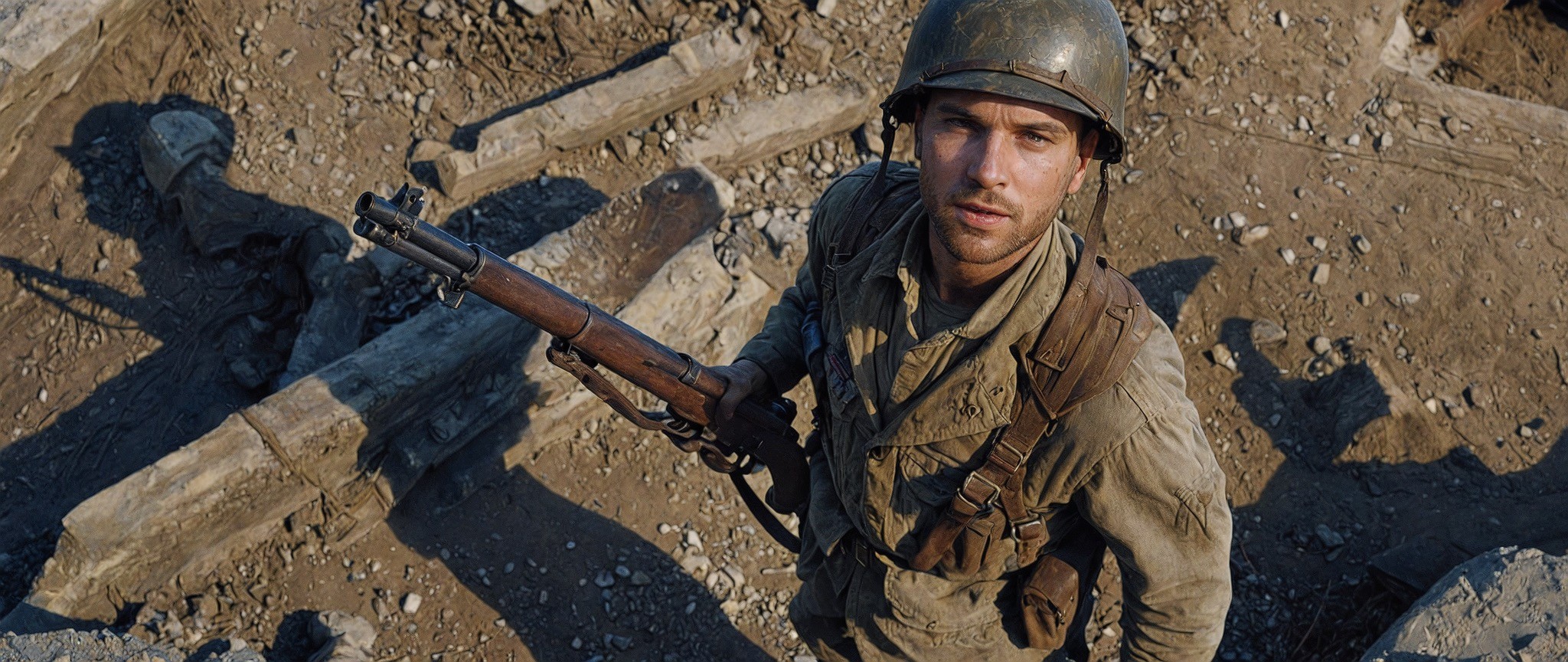
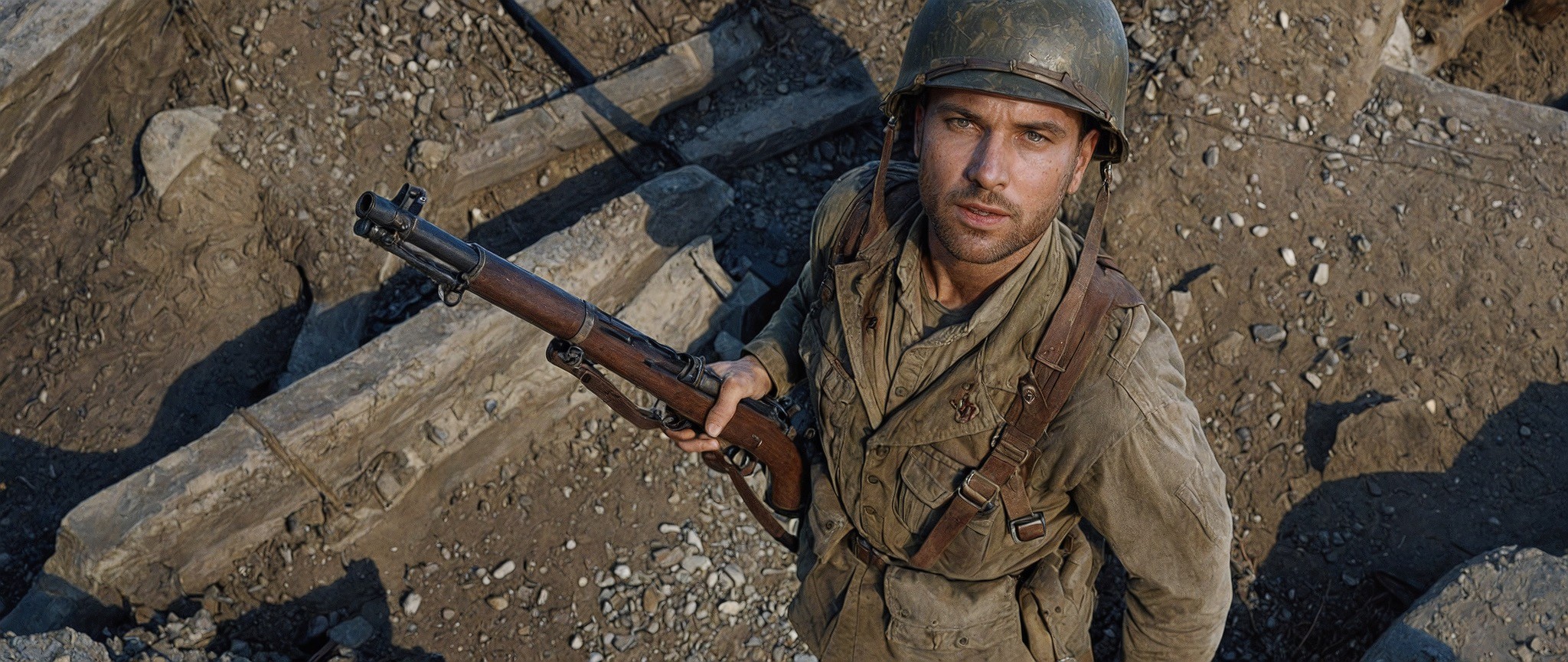
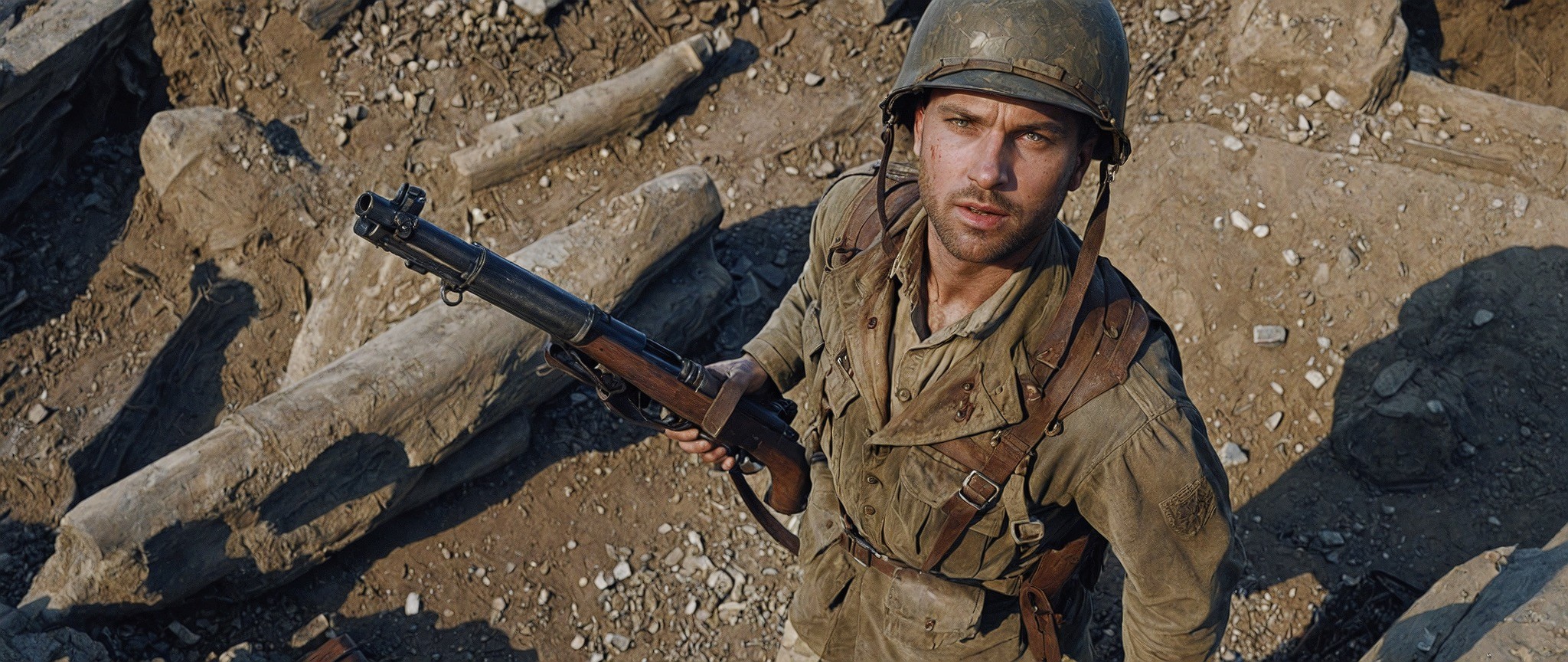
LIGHTNING
VARIATIONS
.styles
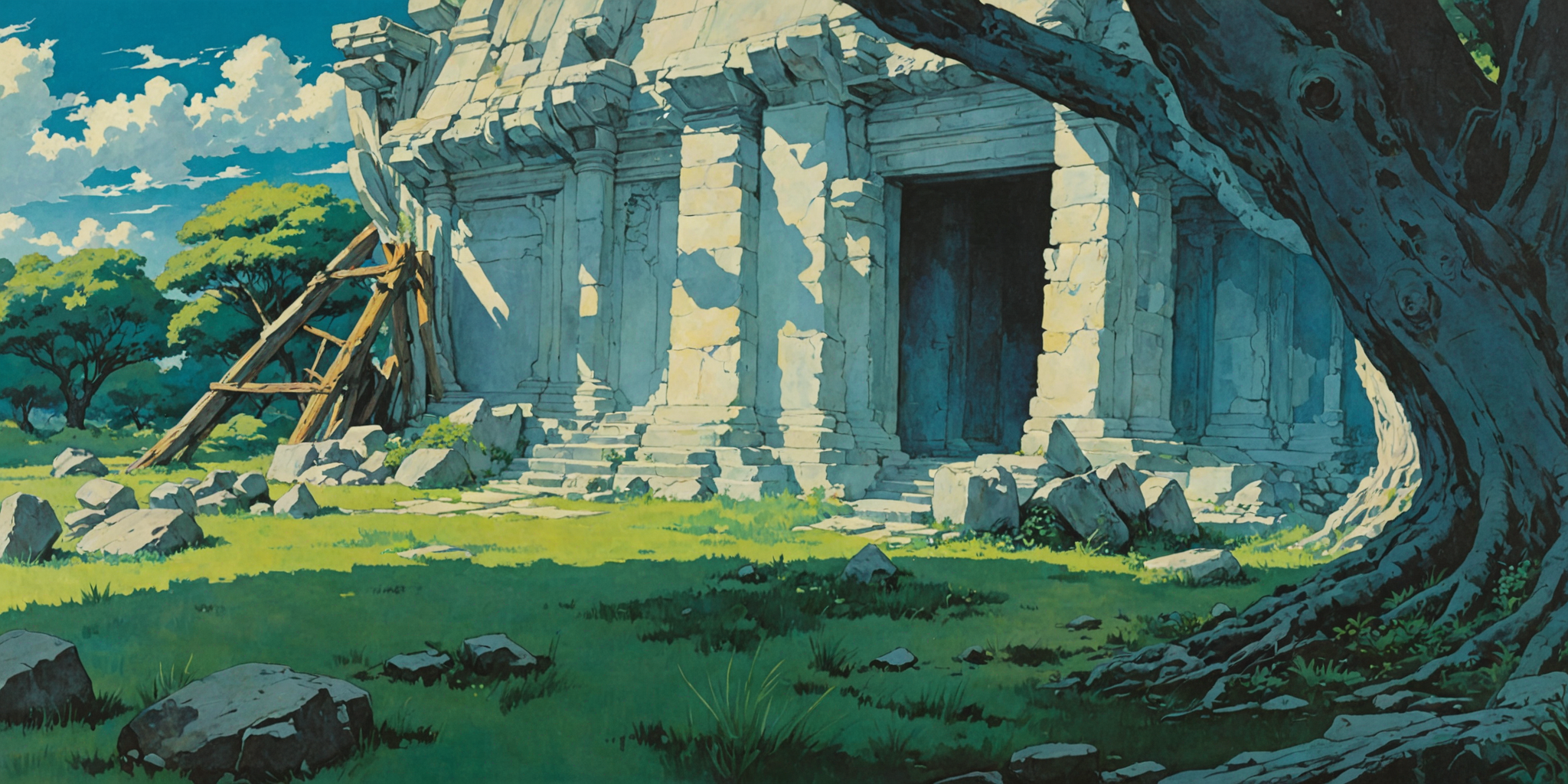
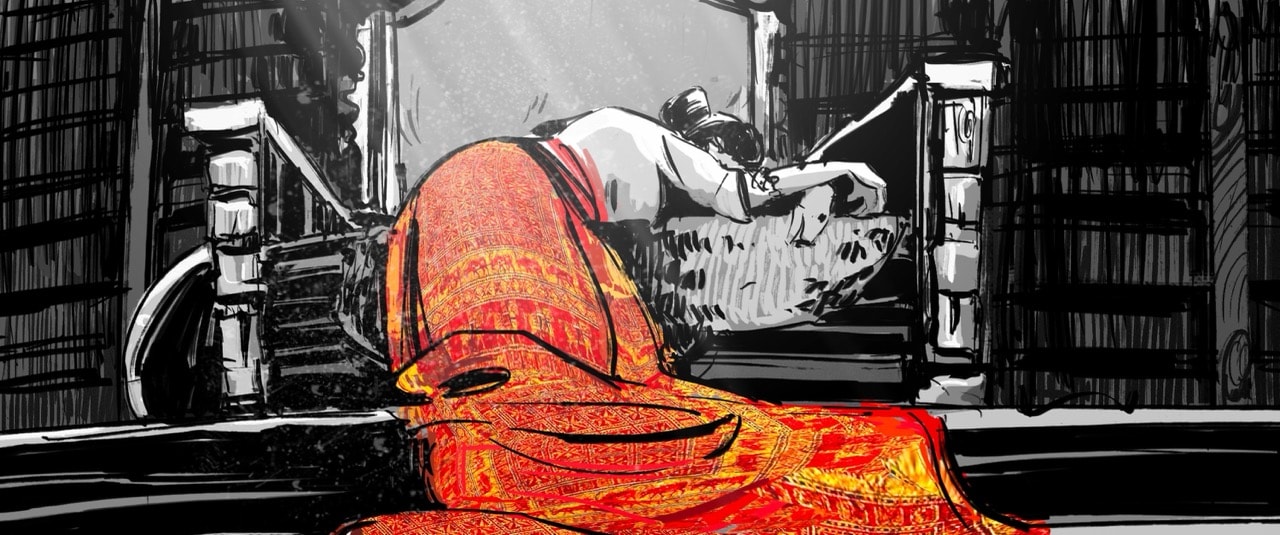
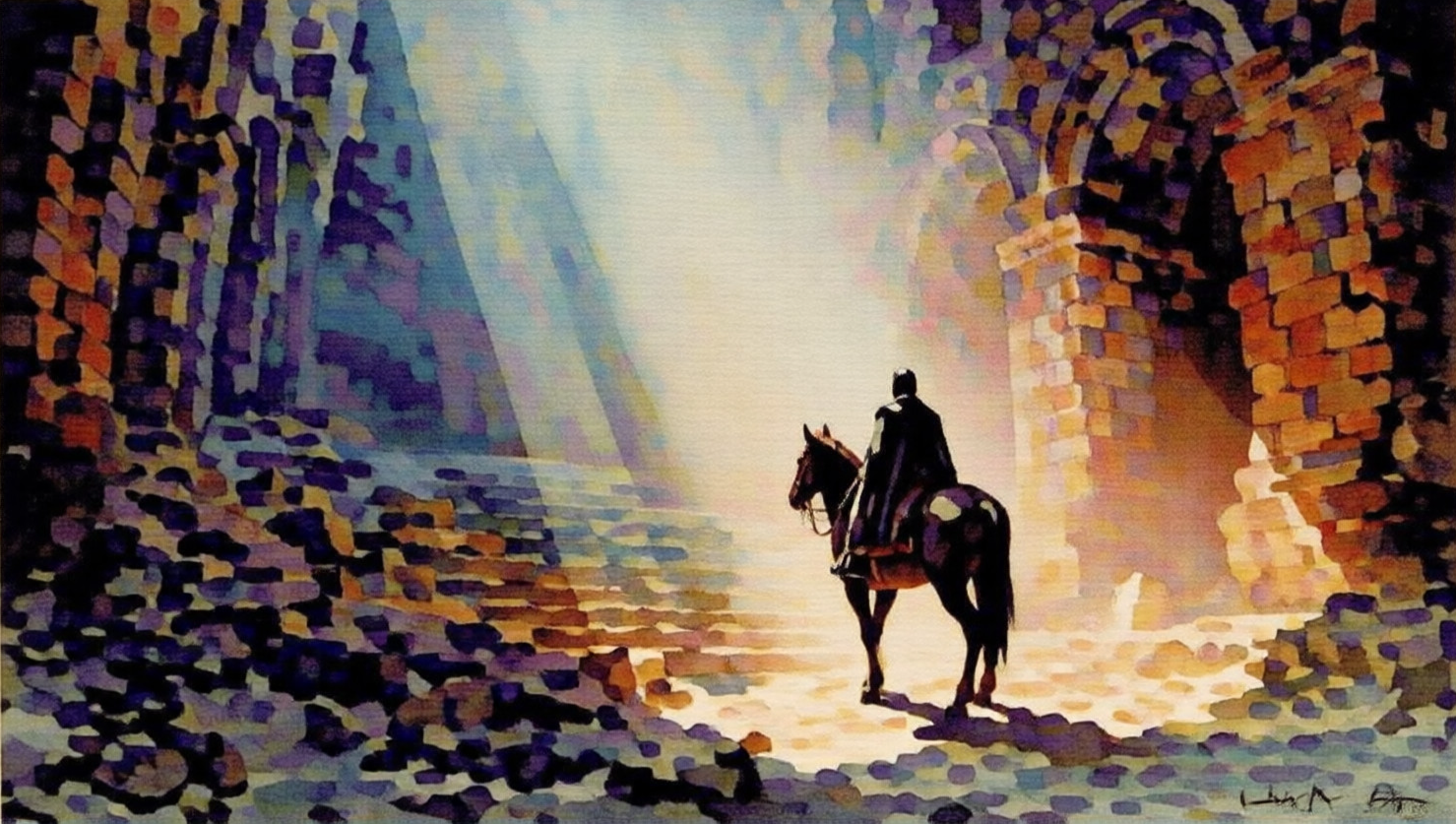
That’s the job — finding value in unexpected places and carrying it somewhere new. We often stay in a drawn, illustrative style on purpose. It leaves room for imagination. People engage with the idea instead of picking apart the execution. Photorealism is one option — but not the default.
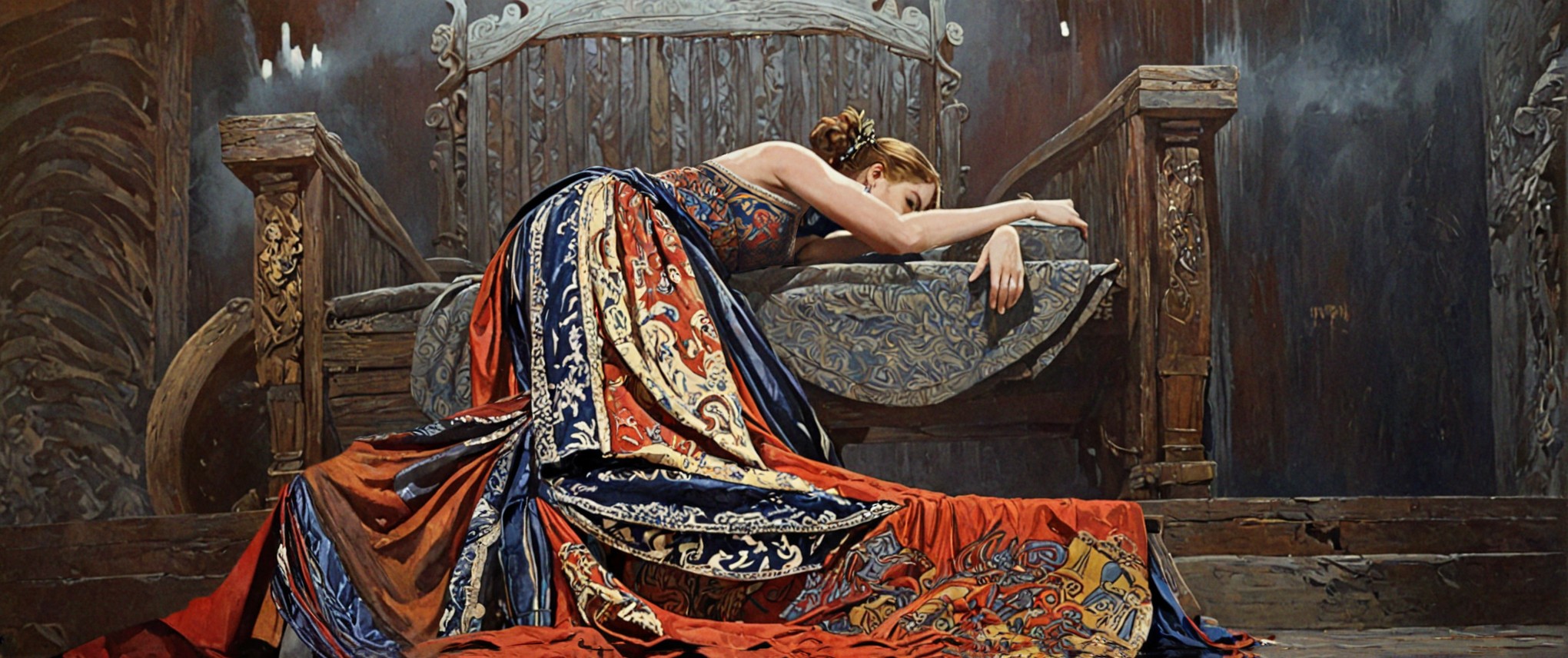
Beyond
photorealism
In animation, everything flows from the visual language. When a project has its own artist, that language needs to extend across every character, every location, every corner of the world. We help it get there — consistently, at development speed.
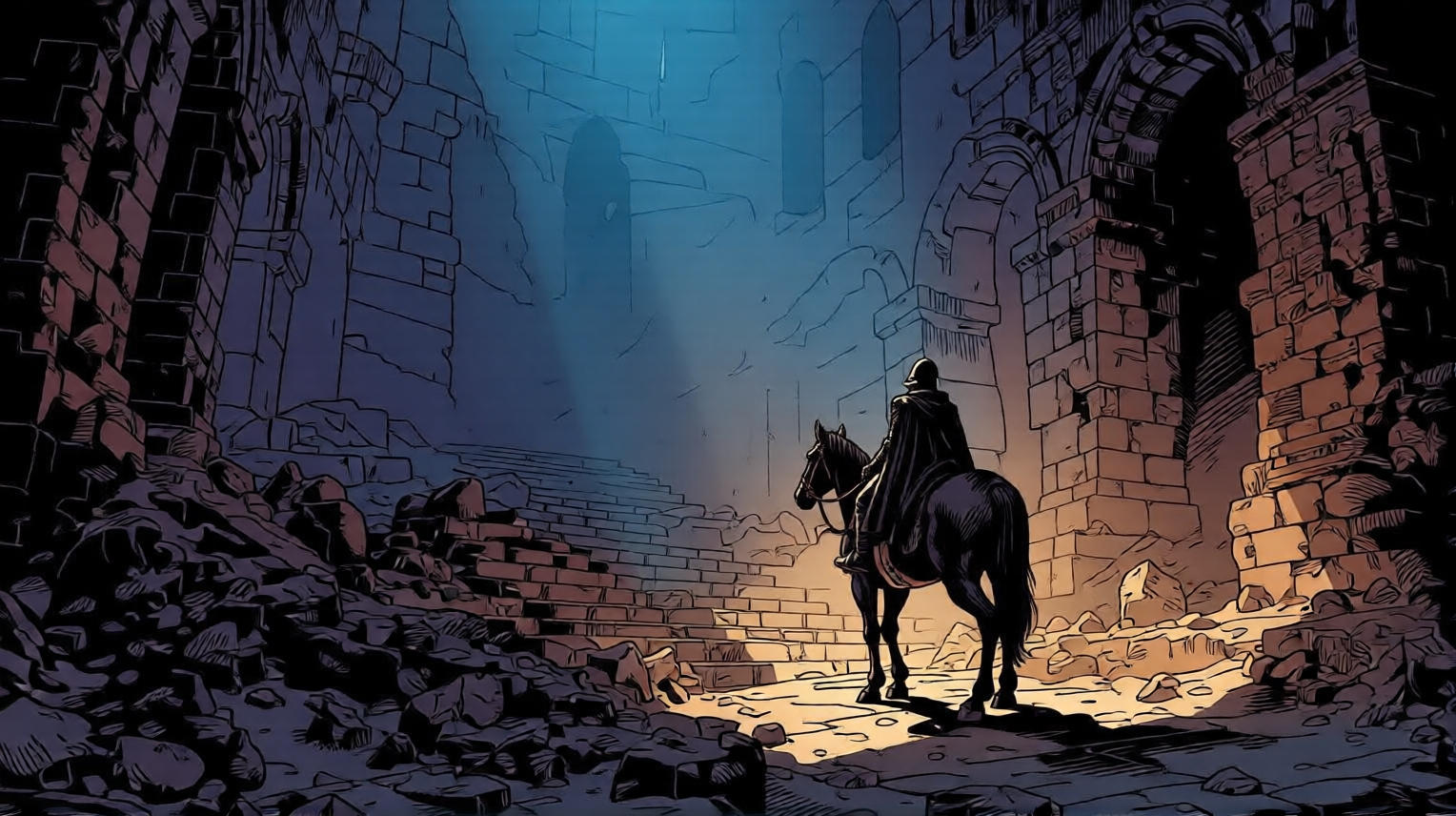
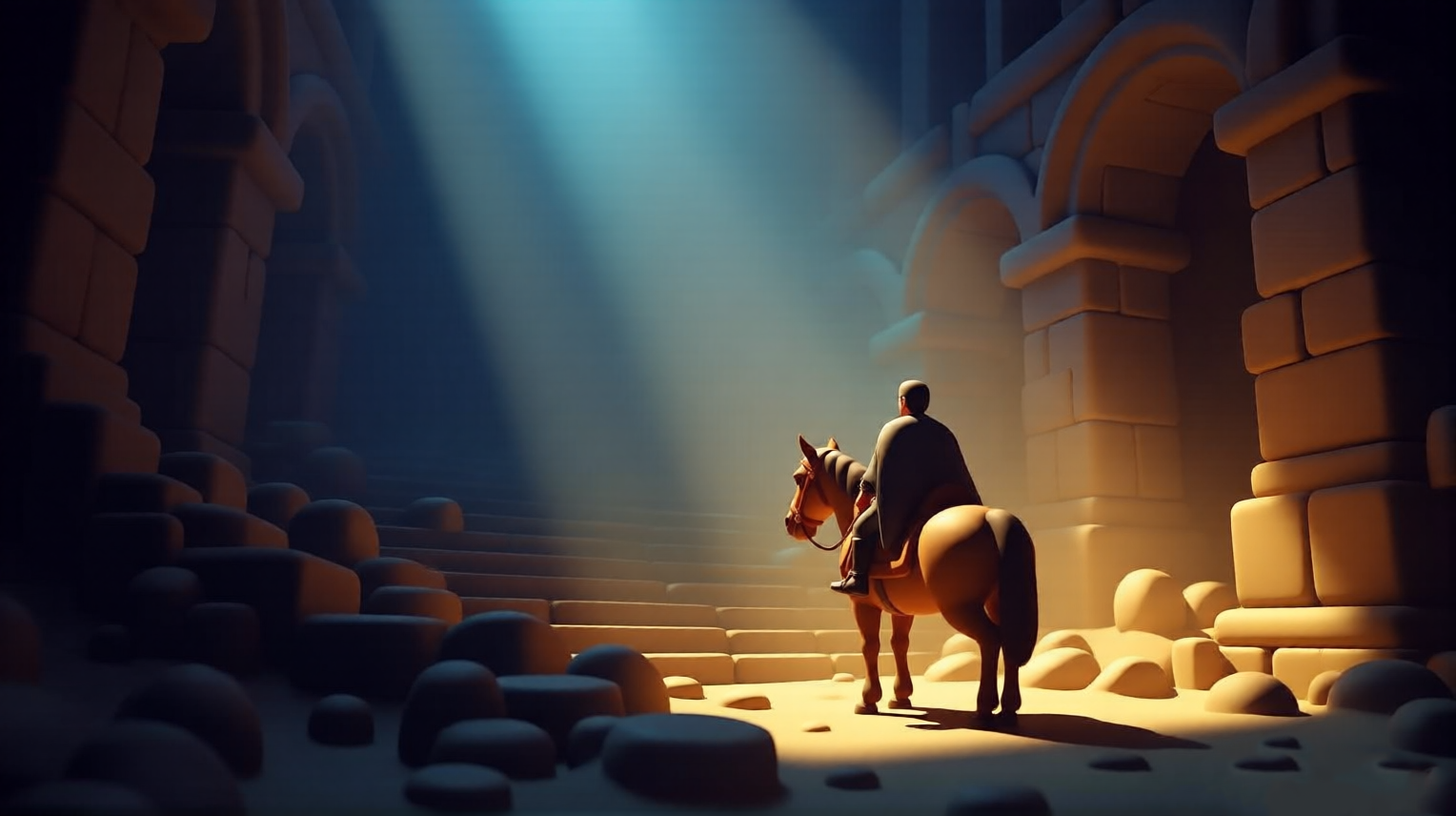
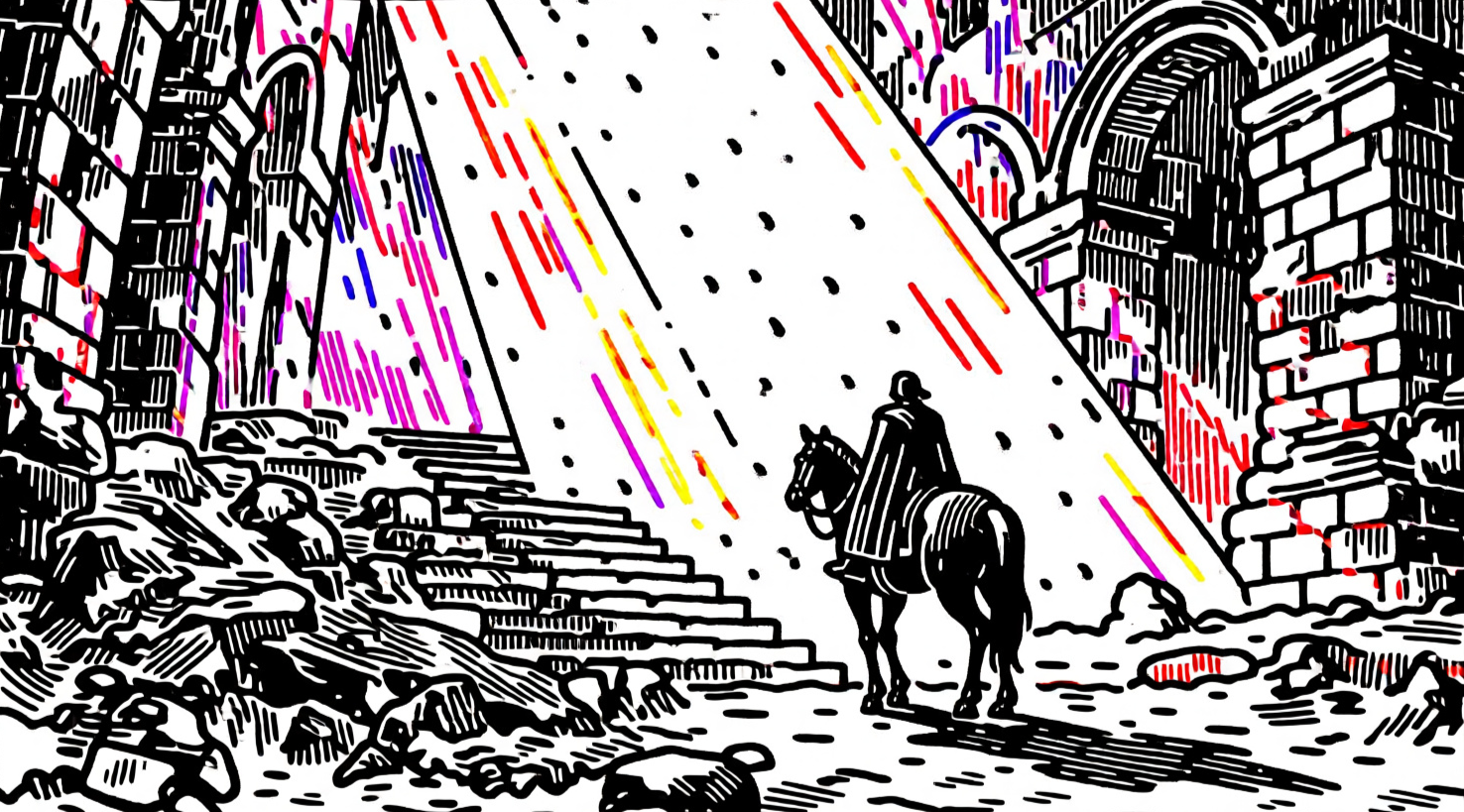
STYLE
VARIATIONS
.contacts
.gilda
.what we offer
CREATIVE
DEVELOPMENT
You have an idea, a synopsis, or a script treatment — we build a world from it. Characters, locations, atmosphere, visual principles, narrative turns. We don’t just make pictures — we think alongside you about how the story works visually. The format is flexible: we can take just a synopsis and develop everything from scratch, or join at any intermediate stage — from a task list to finished briefs.
You already know what you need — we need a brief. We produce artwork in the required style: characters, locations, scenes, concepts. Fast, controlled, in a unified visual language.
ARTWORK ON BRIEF
We build a custom AI tool tailored to your project’s specifics and train your artists to work with it. Not a superficial prompting workshop — deep pipeline integration. Your team gains a multiplier of their capabilities and remains independent.
A TOOL
FOR YOUR TEAM
.characters
from Sketch
to character
Every character begins with a sketch — a living idea from an artist's hand. That's our foundation. From there, we develop the role, appearance, anatomy, behavior, and place in the world — step by step. This isn't a random prompt. It's the careful work by real artists.
Crafting the Brief
Often, the brief is vague — just a gut feeling about the character. That’s when real development matters most. Relying on references alone is risky. First, we shape the brief to clearly define the goal.
We study female archetypes in fantasy and classify them. That’s where characters start to take shape. We present directions to the director and producers, narrow them down, align on one, and only then move to the art.
The vague “beautiful with something special” becomes a clear brief: a diplomat’s daughter on the brink of war, whose costume is a political statement.
When we design a monster, we don’t start with the look. We start with who he is.
The Hermit is a heavily mutated man with agoraphobia. A recluse driven to hide — and punish anyone who disturbs him.
That need reshaped his body: buttoned-up, sinewy, clawed. Form follows physiology. Physiology follows psychology.
Behavior
Defines Form
Creative research
Artists explore options — silhouettes, proportions, details — until the design stops feeling like a choice and becomes the only solution. We don’t settle for the first version. We seek the one that works with maximum precision.
At the core — real references, carefully chosen to reinforce a specific image, that work precisely for the brief. You always have to watch for accidental, parasitic rhymes that blur the character. Every detail is not just decoration — it's an argument.
Visual rhymes
Contradiction
as brief
"Make death beautiful. Not scary. Just beautiful."
The most interesting work lives in paradox. And paradox is exactly where AI tools fall apart — they were trained on what already exists, endlessly recombining the familiar. But the work worth doing is usually the thing no one has made yet. That’s where human artists and real creative development make the difference.
Controlled
development
We can start from contradictions. From references that barely make sense together. From a feeling with no name yet. Through controlled iteration — sketch by sketch, decision by decision — a precise image emerges. Expressive. Intentional. Nothing is left to chance.
Controlled
refinement
Once the whole is established, we move into the details. Our tools let us vary exactly what needs to vary, while everything already approved stays locked. We explore options without losing ground — until the final answer reveals itself.
.locations
Someone lives here — among the generators, the machinery. We start with the world: what kind of place is this, what is its function, what conflict shaped it? The room answers all of that. Nothing is placed for effect.
always about
the character
We block it out in 3D first — mass, structure, composition. No surfaces, no mood. Just space. Early enough to feel the location and the story’s genre before any foundations are set. From that single base, we explore several directions: architecture, lighting, atmosphere, visual language. Same bones, completely different worlds.
We start
before you do
We block it out in 3D first — mass, structure, composition. No surfaces, no mood. Just space. Early enough to feel the location and the story’s genre before any foundations are set. From that single base, we explore several directions: architecture, lighting, atmosphere, visual language. Same bones, completely different worlds.
From mass
to detail
Nature has a job in the frame — balance, atmosphere, a sense of the world. We design natural locations around that, test them against the story, and adjust until they earn their place.
Designing nature
Victorian drawing rooms, baroque halls, grand libraries — the audience has seen it all. A thousand times. That means the visual language is already loaded with expectations. You can’t reinvent it. But you can find an angle nobody has taken — the combination, the detail, the framing that makes something familiar feel new. That’s the conceptual work. And that’s where we come in.
Working
with classics
Standard AI tools do one thing well — they reproduce what already exists. That’s useful. But it’s not development. We’re developers first — with real on-set experience and a pipeline built specifically to move beyond the familiar. AI makes us fast. Thinking makes us different.
Inventing,
not reproducing
.keySHOTS
Characters, locations, camera — we put it all in the frame and see what happens. Different angles, different positions, different ways through the space. By the time production starts, the interesting shots are already found. And you know exactly what still needs work.
FRAMING
BEFORE FILMING
Every frame exists in the same world. Same style, same lighting logic, same rules — across every scene and every location.
Visual
consistency
Hand us a napkin sketch — we’ll storyboard the scene and turn it into something you can actually react to. Or bring your own storyboard, and we’ll take it from there. Either way, we make the decisions along the way: composition, lighting, atmosphere. Not the final shot — but close enough to know if you’re on the right track.
From sketch
to frame
Finding the right frame is half the pitch. Working with the team, we lock down the central conflict and drama of the film. That single image becomes the anchor for everything else — promo materials, studio briefs, vendor conversations. Everyone stops guessing and starts working from the same picture.
The hero shot
& reimagining
.editing
Every project starts with references. We do too. But we don’t just collect them — we use them as raw material. Different lighting, different characters, different moods. Same foundation, multiple directions. Quick enough to kill bad ideas before they cost anything.
SMART VARIATION
TESTING
COLOR PALETTE
& RELIGHT
LIGHTNING
VARIATIONS
.styles
That’s the job — finding value in unexpected places and carrying it somewhere new. We often stay in a drawn, illustrative style on purpose. It leaves room for imagination. People engage with the idea instead of picking apart the execution. Photorealism is one option — but not the default.
Beyond
photorealism
In animation, everything flows from the visual language. When a project has its own artist, that language needs to extend across every character, every location, every corner of the world. We help it get there — consistently, at development speed.
STYLE
VARIATIONS
.contacts
.gilda
.what we offer
CREATIVE DEVELOPMENT
You have an idea, a synopsis, or a script treatment — we build a world from it. Characters, locations, atmosphere, visual principles, narrative turns. We don’t just make pictures — we think alongside you about how the story works visually. The format is flexible: we can take just a synopsis and develop everything from scratch, or join at any intermediate stage — from a task list to finished briefs.
You already know what you need — we need a brief. We produce artwork in the required style: characters, locations, scenes, concepts. Fast, controlled, in a unified visual language.
ARTWORK ON BRIEF
We build a custom AI tool tailored to your project’s specifics and train your artists to work with it. Not a superficial prompting workshop — deep pipeline integration. Your team gains a multiplier of their capabilities and remains independent.
A TOOL FOR YOUR TEAM
.characters
Every character begins with a sketch — a living idea from an artist's hand. That's our foundation. From there, we develop the role, appearance, anatomy, behavior, and place in the world — step by step. This isn't a random prompt. It's the careful work by real artists.
from Sketch to character
Often, the brief is vague — just a gut feeling about the character. That’s when real development matters most. Relying on references alone is risky. First, we shape the brief to clearly define the goal.
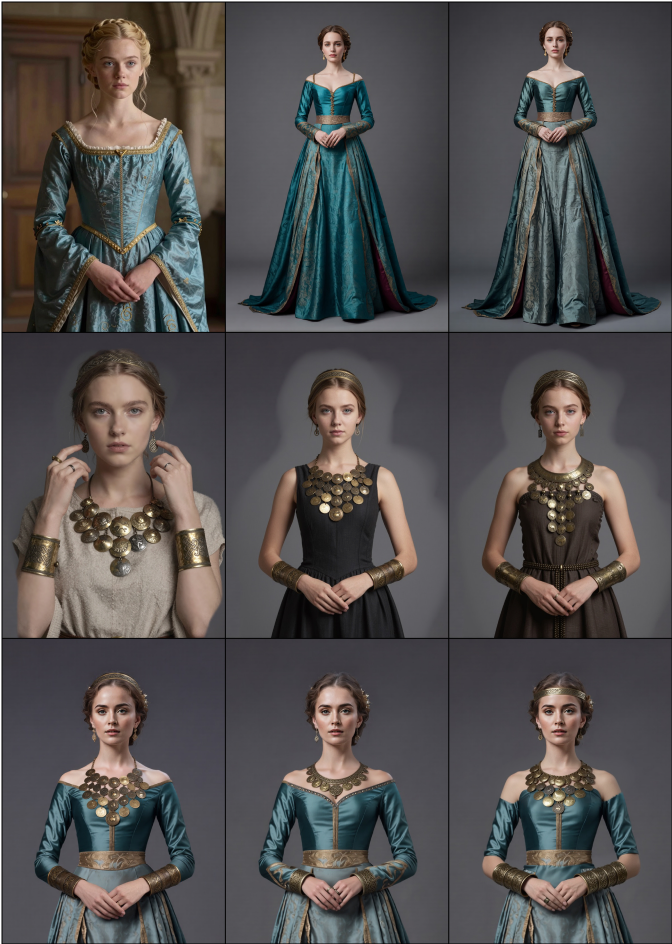
Crafting the Brief
We study female archetypes in fantasy and classify them. That’s where characters start to take shape. We present directions to the director and producers, narrow them down, align on one, and only then move to the art.
The vague “beautiful with something special” becomes a clear brief: a diplomat’s daughter on the brink of war, whose costume is a political statement.
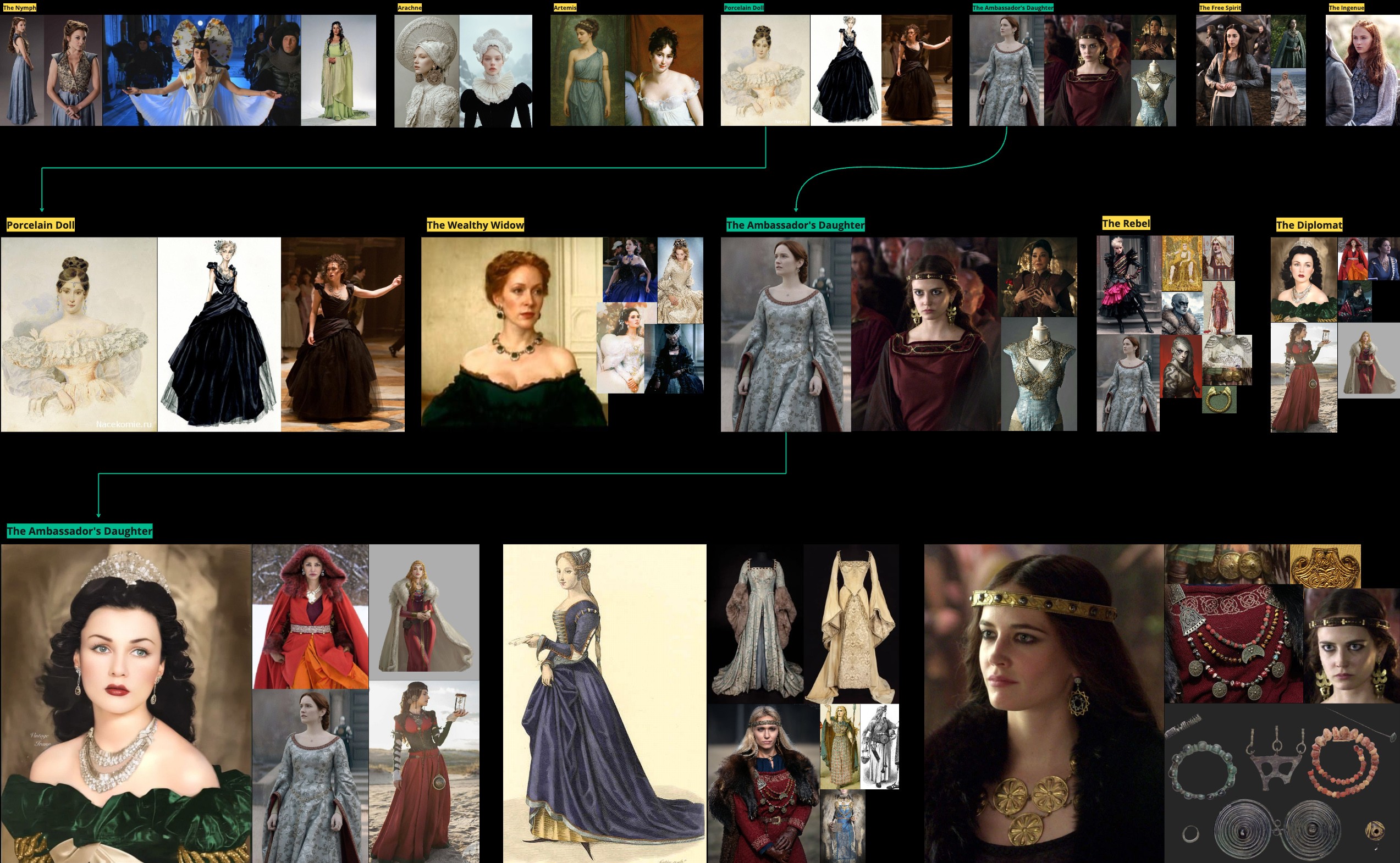
When we design a monster, we don’t start with the look. We start with who he is.
The Hermit is a heavily mutated man with agoraphobia. A recluse driven to hide — and punish anyone who disturbs him.
That need reshaped his body: buttoned-up, sinewy, clawed. Form follows physiology. Physiology follows psychology.
Behavior Defines Form
Artists explore options — silhouettes, proportions, details — until the design stops feeling like a choice and becomes the only solution. We don’t settle for the first version. We seek the one that works with maximum precision.
Creative research
At the core — real references, carefully chosen to reinforce a specific image, that work precisely for the brief. You always have to watch for accidental, parasitic rhymes that blur the character. Every detail is not just decoration — it's an argument.
Visual rhymes
"Make death beautiful. Not scary. Just beautiful."
The most interesting work lives in paradox. And paradox is exactly where AI tools fall apart — they were trained on what already exists, endlessly recombining the familiar. But the work worth doing is usually the thing no one has made yet. That’s where human artists and real creative development make the difference.
Contradiction as brief
We can start from contradictions. From references that barely make sense together. From a feeling with no name yet. Through controlled iteration — sketch by sketch, decision by decision — a precise image emerges. Expressive. Intentional. Nothing is left to chance.
Controlled development
Once the whole is established, we move into the details. Our tools let us vary exactly what needs to vary, while everything already approved stays locked. We explore options without losing ground — until the final answer reveals itself.
Controlled refinement
.locations
Someone lives here — among the generators, the machinery. We start with the world: what kind of place is this, what is its function, what conflict shaped it? The room answers all of that. Nothing is placed for effect.
always about the character
We block it out in 3D first — mass, structure, composition. No surfaces, no mood. Just space. Early enough to feel the location and the story’s genre before any foundations are set. From that single base, we explore several directions: architecture, lighting, atmosphere, visual language. Same bones, completely different worlds.
We start before you do
We block it out in 3D first — mass, structure, composition. No surfaces, no mood. Just space. Early enough to feel the location and the story’s genre before any foundations are set. From that single base, we explore several directions: architecture, lighting, atmosphere, visual language. Same bones, completely different worlds.
From mass to detail
Nature has a job in the frame — balance, atmosphere, a sense of the world. We design natural locations around that, test them against the story, and adjust until they earn their place.
Designing nature
Victorian drawing rooms, baroque halls, grand libraries — the audience has seen it all. A thousand times. That means the visual language is already loaded with expectations. You can’t reinvent it. But you can find an angle nobody has taken — the combination, the detail, the framing that makes something familiar feel new. That’s the conceptual work. And that’s where we come in.
Working with classics
Standard AI tools do one thing well — they reproduce what already exists. That’s useful. But it’s not development. We’re developers first — with real on-set experience and a pipeline built specifically to move beyond the familiar. AI makes us fast. Thinking makes us different.
Inventing, not reproducing
.keySHOTS
Characters, locations, camera — we put it all in the frame and see what happens. Different angles, different positions, different ways through the space. By the time production starts, the interesting shots are already found. And you know exactly what still needs work.
FRAMING BEFORE FILMING
Every frame exists in the same world. Same style, same lighting logic, same rules — across every scene and every location.
Visual consistency
Hand us a napkin sketch — we’ll storyboard the scene and turn it into something you can actually react to. Or bring your own storyboard, and we’ll take it from there. Either way, we make the decisions along the way: composition, lighting, atmosphere. Not the final shot — but close enough to know if you’re on the right track.
From sketch to frame
Finding the right frame is half the pitch. Working with the team, we lock down the central conflict and drama of the film. That single image becomes the anchor for everything else — promo materials, studio briefs, vendor conversations. Everyone stops guessing and starts working from the same picture.
The hero shot
& reimagining
.editing
Every project starts with references. We do too. But we don’t just collect them — we use them as raw material. Different lighting, different characters, different moods. Same foundation, multiple directions. Quick enough to kill bad ideas before they cost anything.
SMART VARIATION TESTING
COLOR PALETTE & RELIGHT
LIGHTNING VARIATIONS
.styles
That’s the job — finding value in unexpected places and carrying it somewhere new. We often stay in a drawn, illustrative style on purpose. It leaves room for imagination. People engage with the idea instead of picking apart the execution. Photorealism is one option — but not the default.
Beyond photorealism
In animation, everything flows from the visual language. When a project has its own artist, that language needs to extend across every character, every location, every corner of the world. We help it get there — consistently, at development speed.
STYLE VARIATIONS
.contacts
.what we offer
.characters
.locations
.keyshots
.editing
.styles
.gilda
.what we offer
You have an idea, a synopsis, or a script treatment — we build a world from it. Characters, locations, atmosphere, visual principles, narrative turns. We don’t just make pictures — we think alongside you about how the story works visually. The format is flexible: we can take just a synopsis and develop everything from scratch, or join at any intermediate stage — from a task list to finished briefs.
CREATIVE DEVELOPMENT
You already know what you need — we need a brief. We produce artwork in the required style: characters, locations, scenes, concepts. Fast, controlled, in a unified visual language.
ARTWORK ON BRIEF
We build a custom AI tool tailored to your project’s specifics and train your artists to work with it. Not a superficial prompting workshop — deep pipeline integration. Your team gains a multiplier of their capabilities and remains independent.
A TOOL FOR YOUR TEAM
.characters
Every character begins with a sketch — a living idea from an artist's hand. That's our foundation. From there, we develop the role, appearance, anatomy, behavior, and place in the world — step by step. This isn't a random prompt. It's the careful work by real artists.
from Sketch to character
Often, the brief is vague — just a gut feeling about the character. That’s when real development matters most. Relying on references alone is risky. First, we shape the brief to clearly define the goal.
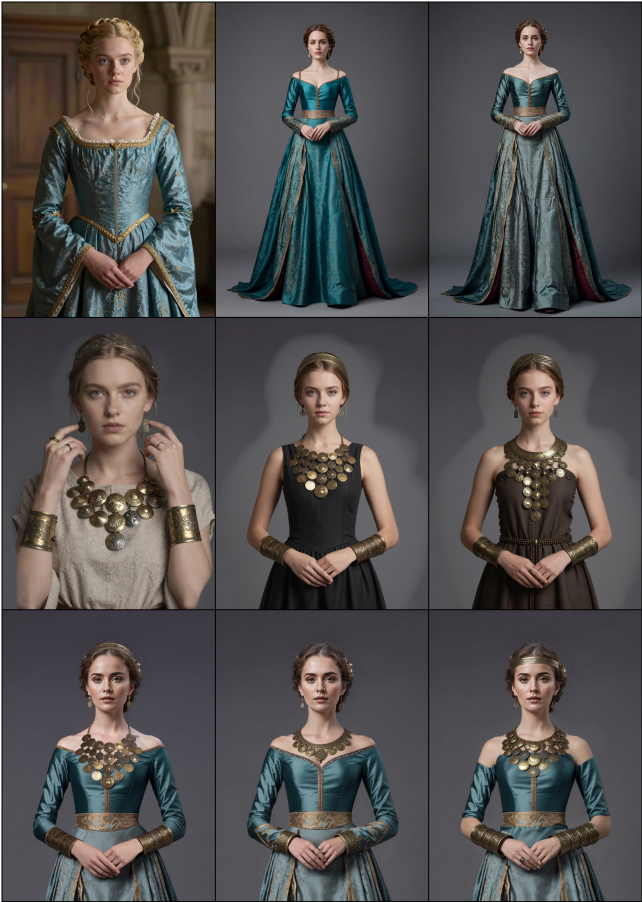
Crafting the Brief
We study female archetypes in fantasy and classify them. That’s where characters start to take shape. We present directions to the director and producers, narrow them down, align on one, and only then move to the art.
The vague “beautiful with something special” becomes a clear brief: a diplomat’s daughter on the brink of war, whose costume is a political statement.
When we design a monster, we don’t start with the look. We start with who he is.
The Hermit is a heavily mutated man with agoraphobia. A recluse driven to hide — and punish anyone who disturbs him.
That need reshaped his body: buttoned-up, sinewy, clawed. Form follows physiology. Physiology follows psychology.
Behavior Defines Form
Artists explore options — silhouettes, proportions, details — until the design stops feeling like a choice and becomes the only solution. We don’t settle for the first version. We seek the one that works with maximum precision.
Creative research
At the core — real references, carefully chosen to reinforce a specific image, that work precisely for the brief. You always have to watch for accidental, parasitic rhymes that blur the character. Every detail is not just decoration — it's an argument.
Visual rhymes
"Make death beautiful. Not scary. Just beautiful."
The most interesting work lives in paradox. And paradox is exactly where AI tools fall apart — they were trained on what already exists, endlessly recombining the familiar. But the work worth doing is usually the thing no one has made yet. That’s where human artists and real creative development make the difference.
Contradiction as brief
We can start from contradictions. From references that barely make sense together. From a feeling with no name yet. Through controlled iteration — sketch by sketch, decision by decision — a precise image emerges. Expressive. Intentional. Nothing is left to chance.
Controlled development
Once the whole is established, we move into the details. Our tools let us vary exactly what needs to vary, while everything already approved stays locked. We explore options without losing ground — until the final answer reveals itself.
Controlled refinement
.locations
Someone lives here — among the generators, the machinery. We start with the world: what kind of place is this, what is its function, what conflict shaped it? The room answers all of that. Nothing is placed for effect.
always about the character
We block it out in 3D first — mass, structure, composition. No surfaces, no mood. Just space. Early enough to feel the location and the story’s genre before any foundations are set. From that single base, we explore several directions: architecture, lighting, atmosphere, visual language. Same bones, completely different worlds.
We start before you do
We block it out in 3D first — mass, structure, composition. No surfaces, no mood. Just space. Early enough to feel the location and the story’s genre before any foundations are set. From that single base, we explore several directions: architecture, lighting, atmosphere, visual language. Same bones, completely different worlds.
From mass to detail
Nature has a job in the frame — balance, atmosphere, a sense of the world. We design natural locations around that, test them against the story, and adjust until they earn their place.
Designing nature
Victorian drawing rooms, baroque halls, grand libraries — the audience has seen it all. A thousand times. That means the visual language is already loaded with expectations. You can’t reinvent it. But you can find an angle nobody has taken — the combination, the detail, the framing that makes something familiar feel new. That’s the conceptual work. And that’s where we come in.
Working with classics
Standard AI tools do one thing well — they reproduce what already exists. That’s useful. But it’s not development. We’re developers first — with real on-set experience and a pipeline built specifically to move beyond the familiar. AI makes us fast. Thinking makes us different.
Inventing, not reproducing
.keySHOTS
Characters, locations, camera — we put it all in the frame and see what happens. Different angles, different positions, different ways through the space. By the time production starts, the interesting shots are already found. And you know exactly what still needs work.
FRAMING BEFORE FILMING
Every frame exists in the same world. Same style, same lighting logic, same rules — across every scene and every location.
Visual consistency
Hand us a napkin sketch — we’ll storyboard the scene and turn it into something you can actually react to. Or bring your own storyboard, and we’ll take it from there. Either way, we make the decisions along the way: composition, lighting, atmosphere. Not the final shot — but close enough to know if you’re on the right track.
From sketch to frame
Finding the right frame is half the pitch. Working with the team, we lock down the central conflict and drama of the film. That single image becomes the anchor for everything else — promo materials, studio briefs, vendor conversations. Everyone stops guessing and starts working from the same picture.
The hero shot
& reimagining
.editing
Every project starts with references. We do too. But we don’t just collect them — we use them as raw material. Different lighting, different characters, different moods. Same foundation, multiple directions. Quick enough to kill bad ideas before they cost anything.
SMART VARIATION TESTING
COLOR PALETTE & RELIGHT
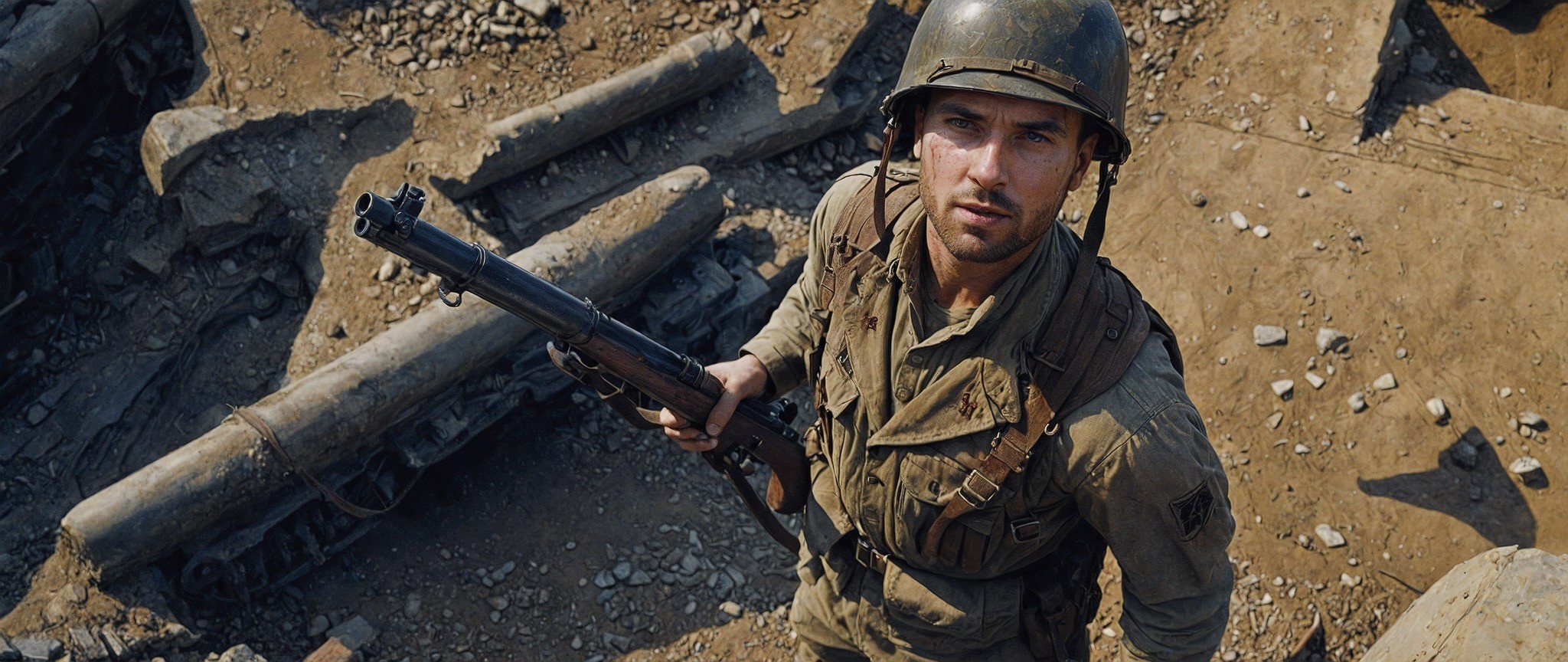
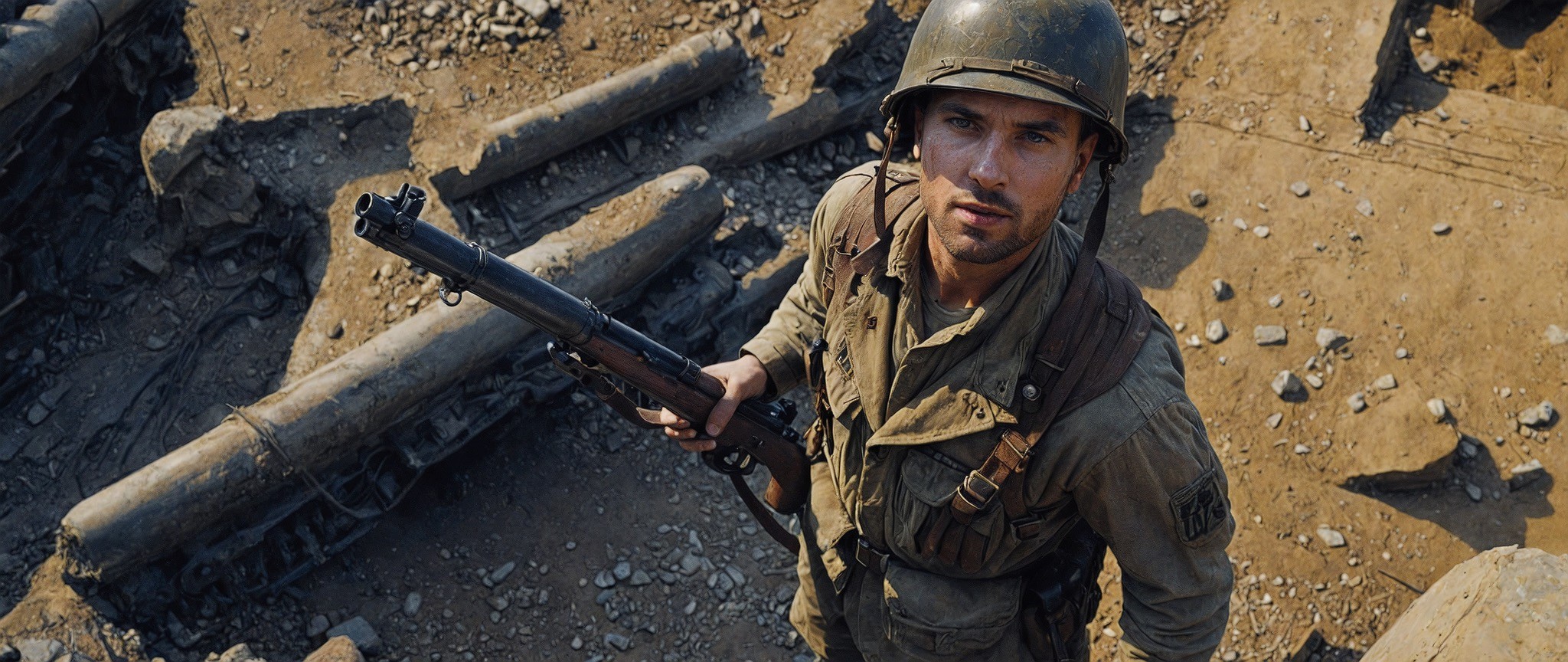
LIGHTNING VARIATIONS
.styles
That’s the job — finding value in unexpected places and carrying it somewhere new. We often stay in a drawn, illustrative style on purpose. It leaves room for imagination. People engage with the idea instead of picking apart the execution. Photorealism is one option — but not the default.
Beyond photorealism
In animation, everything flows from the visual language. When a project has its own artist, that language needs to extend across every character, every location, every corner of the world. We help it get there — consistently, at development speed.
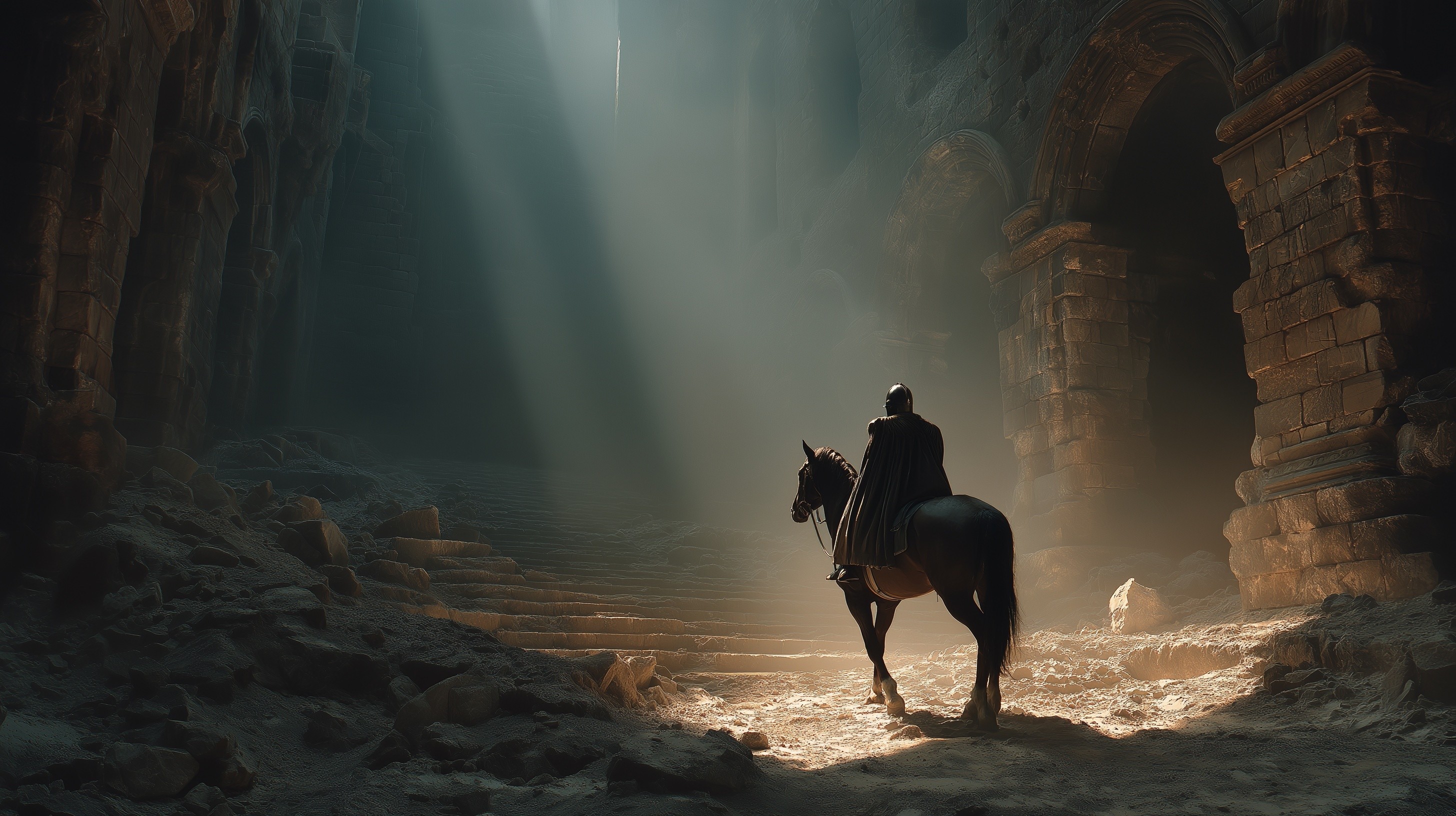
STYLE VARIATIONS
.contacts
.what we offer
.characters
.locations
.keyshots
.editing
.styles
.gilda
.what we offer
You have an idea, a synopsis, or a script treatment — we build a world from it. Characters, locations, atmosphere, visual principles, narrative turns. We don’t just make pictures — we think alongside you about how the story works visually. The format is flexible: we can take just a synopsis and develop everything from scratch, or join at any intermediate stage — from a task list to finished briefs.
CREATIVE DEVELOPMENT
You already know what you need — we need a brief. We produce artwork in the required style: characters, locations, scenes, concepts. Fast, controlled, in a unified visual language.
ARTWORK ON BRIEF
We build a custom AI tool tailored to your project’s specifics and train your artists to work with it. Not a superficial prompting workshop — deep pipeline integration. Your team gains a multiplier of their capabilities and remains independent.
A TOOL FOR YOUR TEAM
.characters
Every character begins with a sketch — a living idea from an artist's hand. That's our foundation. From there, we develop the role, appearance, anatomy, behavior, and place in the world — step by step. This isn't a random prompt. It's the careful work by real artists.
from Sketch to character
Often, the brief is vague — just a gut feeling about the character. That’s when real development matters most. Relying on references alone is risky. First, we shape the brief to clearly define the goal.
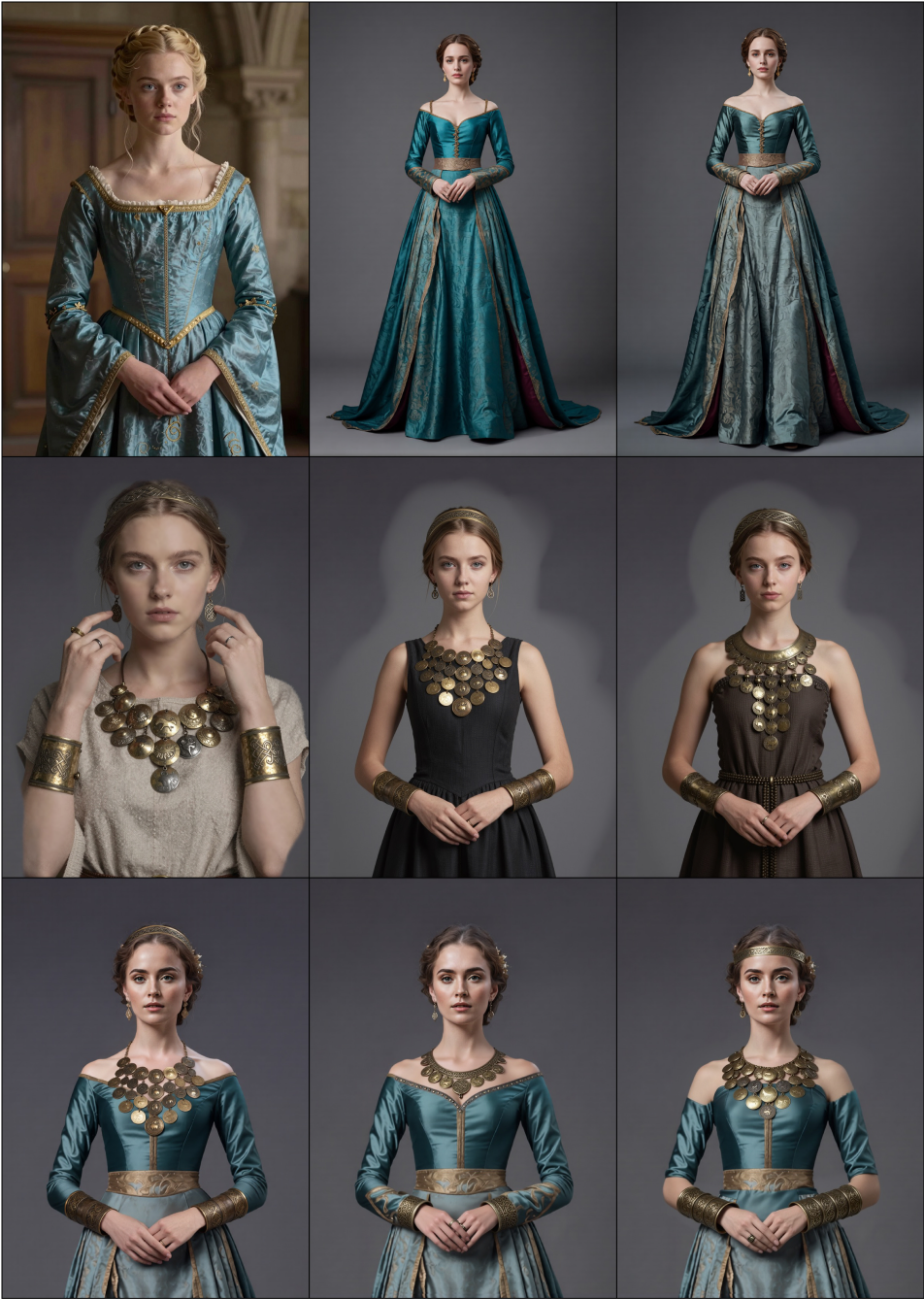
Crafting the Brief
We study female archetypes in fantasy and classify them. That’s where characters start to take shape. We present directions to the director and producers, narrow them down, align on one, and only then move to the art.
The vague “beautiful with something special” becomes a clear brief: a diplomat’s daughter on the brink of war, whose costume is a political statement.
When we design a monster, we don’t start with the look. We start with who he is.
The Hermit is a heavily mutated man with agoraphobia. A recluse driven to hide — and punish anyone who disturbs him.
That need reshaped his body: buttoned-up, sinewy, clawed. Form follows physiology. Physiology follows psychology.
Behavior Defines Form
Artists explore options — silhouettes, proportions, details — until the design stops feeling like a choice and becomes the only solution. We don’t settle for the first version. We seek the one that works with maximum precision.
Creative research
At the core — real references, carefully chosen to reinforce a specific image, that work precisely for the brief. You always have to watch for accidental, parasitic rhymes that blur the character. Every detail is not just decoration — it's an argument.
Visual rhymes
"Make death beautiful. Not scary. Just beautiful."
The most interesting work lives in paradox. And paradox is exactly where AI tools fall apart — they were trained on what already exists, endlessly recombining the familiar. But the work worth doing is usually the thing no one has made yet. That’s where human artists and real creative development make the difference.
Contradiction as brief
We can start from contradictions. From references that barely make sense together. From a feeling with no name yet. Through controlled iteration — sketch by sketch, decision by decision — a precise image emerges. Expressive. Intentional. Nothing is left to chance.
Controlled development
Once the whole is established, we move into the details. Our tools let us vary exactly what needs to vary, while everything already approved stays locked. We explore options without losing ground — until the final answer reveals itself.
Controlled refinement
.locations
Someone lives here — among the generators, the machinery. We start with the world: what kind of place is this, what is its function, what conflict shaped it? The room answers all of that. Nothing is placed for effect.
always about the character
We block it out in 3D first — mass, structure, composition. No surfaces, no mood. Just space. Early enough to feel the location and the story’s genre before any foundations are set. From that single base, we explore several directions: architecture, lighting, atmosphere, visual language. Same bones, completely different worlds.
We start before you do
We block it out in 3D first — mass, structure, composition. No surfaces, no mood. Just space. Early enough to feel the location and the story’s genre before any foundations are set. From that single base, we explore several directions: architecture, lighting, atmosphere, visual language. Same bones, completely different worlds.
From mass to detail
Nature has a job in the frame — balance, atmosphere, a sense of the world. We design natural locations around that, test them against the story, and adjust until they earn their place.
Designing nature
Victorian drawing rooms, baroque halls, grand libraries — the audience has seen it all. A thousand times. That means the visual language is already loaded with expectations. You can’t reinvent it. But you can find an angle nobody has taken — the combination, the detail, the framing that makes something familiar feel new. That’s the conceptual work. And that’s where we come in.
Working with classics
Standard AI tools do one thing well — they reproduce what already exists. That’s useful. But it’s not development. We’re developers first — with real on-set experience and a pipeline built specifically to move beyond the familiar. AI makes us fast. Thinking makes us different.
Inventing, not reproducing
.keySHOTS
Characters, locations, camera — we put it all in the frame and see what happens. Different angles, different positions, different ways through the space. By the time production starts, the interesting shots are already found. And you know exactly what still needs work.
FRAMING BEFORE FILMING
Every frame exists in the same world. Same style, same lighting logic, same rules — across every scene and every location.
Visual consistency
Hand us a napkin sketch — we’ll storyboard the scene and turn it into something you can actually react to. Or bring your own storyboard, and we’ll take it from there. Either way, we make the decisions along the way: composition, lighting, atmosphere. Not the final shot — but close enough to know if you’re on the right track.
From sketch to frame
Finding the right frame is half the pitch. Working with the team, we lock down the central conflict and drama of the film. That single image becomes the anchor for everything else — promo materials, studio briefs, vendor conversations. Everyone stops guessing and starts working from the same picture.
The hero shot
& reimagining
.editing
Every project starts with references. We do too. But we don’t just collect them — we use them as raw material. Different lighting, different characters, different moods. Same foundation, multiple directions. Quick enough to kill bad ideas before they cost anything.
SMART VARIATION TESTING
COLOR PALETTE & RELIGHT
LIGHTNING VARIATIONS
.styles
That’s the job — finding value in unexpected places and carrying it somewhere new. We often stay in a drawn, illustrative style on purpose. It leaves room for imagination. People engage with the idea instead of picking apart the execution. Photorealism is one option — but not the default.
Beyond photorealism
In animation, everything flows from the visual language. When a project has its own artist, that language needs to extend across every character, every location, every corner of the world. We help it get there — consistently, at development speed.
STYLE VARIATIONS
.contacts
.what we offer
.characters
.locations
.keyshots
.editing
.styles